
Boost sales and retention with automated drip marketing for maximum ROI.
Automated Email Campaigns to Retain Customers and Maximize ROI

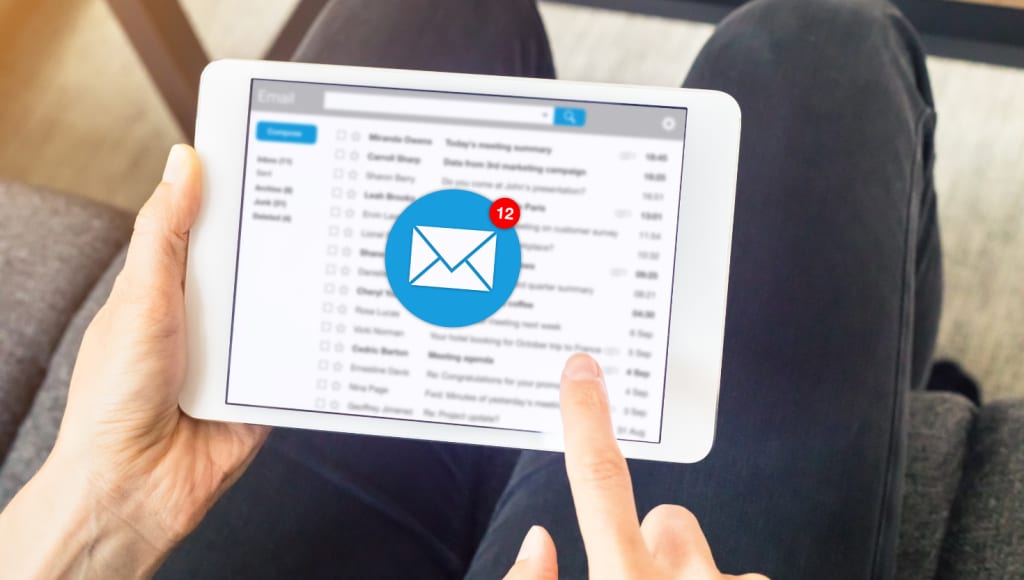
In today’s competitive digital landscape, capturing and retaining customer attention is harder than ever. Enter drip marketing—a powerful strategy that leverages automated, personalized emails to engage audiences, nurture leads, and drive conversions. Whether you’re a startup or an established brand, mastering drip campaigns can transform how you connect with your audience. This guide dives deep into drip marketing, its benefits, and actionable steps to create campaigns that deliver results.
What is Drip Marketing?
Drip marketing (or drip campaigns) refers to a sequence of automated, behavior-triggered emails designed to guide prospects through the customer journey. These emails are sent based on specific actions, such as signing up for a newsletter, abandoning a cart, or making a purchase. By delivering timely, relevant content, drip campaigns nurture relationships, boost engagement, and drive sales without manual effort.
How It Works
- Triggers: Emails are activated by user actions (e.g., website visits, form submissions) or demographic data.
- Automation: Pre-written emails are scheduled to send at optimal intervals (e.g., a welcome email immediately after sign-up, followed by a product demo three days later).
- Personalization: Tailor content using recipient data (name, location, past purchases) to enhance relevance.
Why Drip Marketing Works: 6 Key Benefits
Personalized Content Delivery
Drip campaigns segment audiences based on behavior or demographics, ensuring each email addresses individual needs. Personalized subject lines and recommendations increase open rates by 26%.
Automated Lead Nurturing
Guide prospects from awareness to purchase with targeted content. For example, a SaaS company might send onboarding tips, case studies, and trial reminders to free users.
Enhanced Customer Retention
Stay top-of-mind with existing customers through loyalty drips, renewal reminders, or exclusive offers. Repeat customers spend 67% more than new ones.
Behavioral Triggers for Timely Engagement
Automate responses to user actions, like sending a discount code after cart abandonment or a tutorial post-purchase.
Scalable Relationship Building
Automate communication to maintain consistent engagement, even as your audience grows.
Data-Driven Optimization
Track metrics like open rates, click-through rates (CTR), and conversions to refine campaigns.
How to Create a High-Converting Drip Marketing Campaign
Step 1: Define Clear Goals
Identify objectives like lead generation, onboarding, upselling, or reducing churn. Align every email with these goals.
Step 2: Segment Your Audience
Divide subscribers into groups based on behavior (e.g., cart abandoners, frequent buyers) or demographics (e.g., location, job title).
Step 3: Choose Triggers
Action-Based: Sign-ups, downloads, purchases.
Time-Based: Follow-ups after 3 days of inactivity.
Step 4: Craft Compelling Content
Write concise, benefit-driven copy.
Use AI tools to generate ideas or refine messaging.
Include clear CTAs (e.g., “Claim Your 20% Discount”).
Step 5: Schedule and Automate
Use platforms like Mailchimp or HubSpot to set up email sequences. Test send times for maximum engagement.
Step 6: Analyze and Optimize
Monitor performance metrics and A/B test subject lines, CTAs, or content to improve results.
6 Types of Drip Campaigns to Implement
Welcome Series
Introduce new subscribers to your brand. Example: A fitness app sends workout tips and a free recipe eBook after sign-up.
Abandoned Cart Emails
Recover lost sales with reminders, limited-time offers, or product testimonials.
Onboarding Drips
Help users maximize your product. Example: A project management tool emails tutorials and invites to webinars.
Re-engagement Campaigns
Win back inactive subscribers with surveys, discounts, or “We Miss You” messages.
Educational Courses
Deliver value through multi-part series (e.g., “5-Day SEO Crash Course”) to build authority.
Post-Purchase Follow-Ups
Request reviews, suggest complementary products, or offer loyalty rewards.
Best Practices for Effective Drip Marketing
Keep Emails Short: Focus on one CTA per email.
Mobile Optimization: 46% of emails are opened on mobile—ensure responsive design.
Test and Iterate: Experiment with subject lines, visuals, and timing.
Avoid Overload: Space emails 3–7 days apart to prevent unsubscribes.
Drip Marketing FAQs
Q: How often should I send drip emails?
A: Start with 2–3 emails per week and adjust based on engagement data.
Q: Can drip campaigns work for B2B?
A: Absolutely! Use them for lead nurturing, event follow-ups, or sharing whitepapers.
Q: What’s the ideal campaign length?
A: 5–7 emails over 2–4 weeks, depending on your sales cycle.
Conclusion:
Drip marketing is a game-changer for businesses aiming to build lasting customer relationships and drive consistent growth. By combining automation, personalization, and strategic timing, you can turn casual visitors into loyal advocates. Start small, track your results, and refine your approach—soon, you’ll see how drip campaigns can transform your marketing ROI. Read more about Drip Marketing in detail
About the Creator
Epicsoft Technologies
Epicsoft Technologies is your trusted partner in innovative IT solutions. Our dedicated team specializes in cloud consulting, data analytics, software development, and more.
https://epicsoft360.com/
Keep reading
More stories from Epicsoft Technologies and writers in Education and other communities.
Cybersecurity Compliance: A Comprehensive Guide
In the world of business today, the digital world poses a threat as well as an avenue to exploit. Cybersecurity compliance is one of the most important aspects organizations must look to during and after they conduct their business. Organizations have to comply with rigid guidelines and frameworks to protect sensitive information and ensure that there is no compromise to operational security. Cybersecurity compliance guarantees that a business conforms to the numerous established security protocols, rules, and industry standards that are put in place to ensure that they have sustained robust data protection and reduced exposure to cyber risks.
By Epicsoft Technologies11 months ago in Fiction
Pioneering Therapies for Untreated Diseases
Medical science has made incredible progress in treating many illnesses. Yet, some diseases remain resistant to conventional therapy. These untreated diseases affect millions of people worldwide, causing long-term disability or shortened lifespans. Pioneering therapies for untreated diseases aim to fill this gap, offering hope where traditional treatments have failed. Scientists, clinicians, and biotech companies are working together to create therapies that are both innovative and effective.
By Dr. Janet Chollet5 days ago in Education
Building Financial Resilience: The Synergy Between Planning and Investment Management
Financial resilience is more important today than ever before. In a world shaped by economic uncertainty, changing job markets, and evolving financial goals, a solid strategy that integrates financial planning and investment management is essential. These two elements, while often treated separately, function best when working together. Their integration creates a comprehensive approach that empowers individuals to make smarter decisions, grow wealth, and stay prepared for life’s unexpected turns.
By Winston Feng6 days ago in Education
Miss Persephone's Manual to a Seemingly Ordinary Life
Miss Persephone was found at the dining table, her blue eyes swollen, her tears arriving and retreating like the tides of the ocean. Earlier that day, her family had visited her in the retirement home where she had lived for eight years. It was her eightieth birthday.
By Imola Tóth4 days ago in Fiction



Comments
There are no comments for this story
Be the first to respond and start the conversation.