
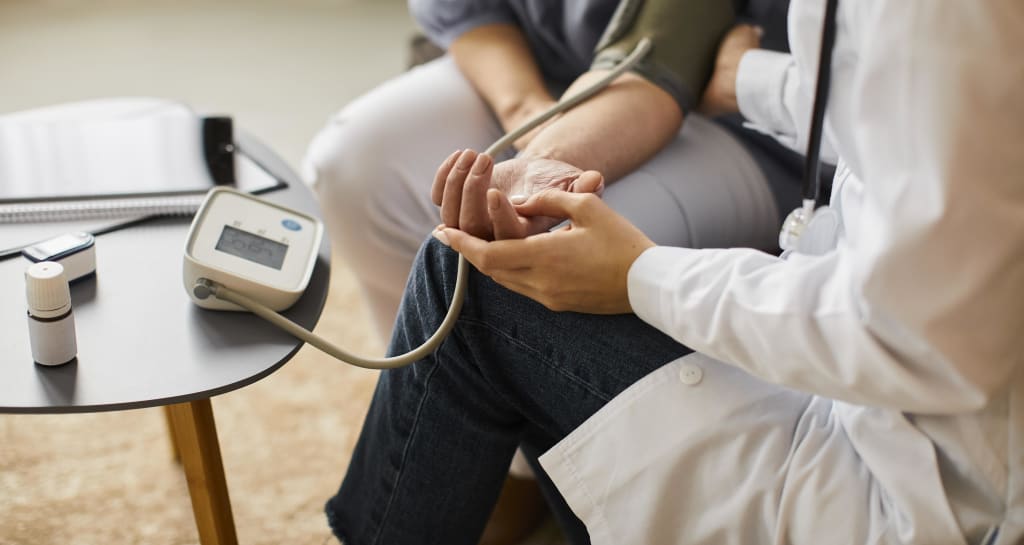
Blood pressure refers to the force exerted by circulating blood against the walls of the blood vessels. It is measured in millimeters of mercury (mmHg) and typically given as two numbers: systolic pressure (the top number) and diastolic pressure (the bottom number).
Systolic pressure measures the pressure in the arteries when the heart beats, while diastolic pressure measures the pressure in the arteries when the heart is at rest between beats. Normal blood pressure is typically considered to be around 120/80 mmHg.
High blood pressure (also known as hypertension) occurs when the force of blood against the arterial walls is consistently too high. This can increase the risk of health problems such as heart disease, stroke, and kidney disease. Low blood pressure (also known as hypotension) occurs when the force of blood against the arterial walls is consistently too low, which can cause dizziness, fainting, and other symptoms.
Types Of Blood Pressure
There are two main types of blood pressure:
1. Systolic blood pressure: This is the pressure in the arteries when the heart beats and pumps blood out to the body. It is represented by the top number in a blood pressure reading.
2. Diastolic blood pressure: This is the pressure in the arteries when the heart is at rest between beats. It is represented by the bottom number in a blood pressure reading.
Blood pressure readings are typically given as two numbers, with systolic pressure over diastolic pressure. For example, a blood pressure reading of 120/80 mmHg means a systolic pressure of 120 mmHg and a diastolic pressure of 80 mmHg.
High blood pressure, also known as hypertension, is diagnosed when systolic pressure is consistently 130 mmHg or higher or diastolic pressure is consistently 80 mmHg or higher.
Low blood pressure, also known as hypotension, is diagnosed when systolic pressure is consistently less than 90 mmHg or diastolic pressure is consistently less than 60 mmHg. However, some people may have low blood pressure without any symptoms or health problems.
Blood Pressure Chart
A blood pressure chart shows the ranges of normal and abnormal blood pressure readings. Here is a general blood pressure chart based on the guidelines from the American Heart Association:
Category Systolic (mmHg) Diastolic (mmHg)
Normal Less than 120 Less than 80
Elevated 120-129 Less than 80
High blood pressure Stage 1: 130-139 Stage 1: 80-89
Stage 2: 140 or higher Stage 2: 90 or higher
Hypertensive crisis Higher than 180 Higher than 120
Note that blood pressure readings can vary throughout the day and from person to person, so it is important to consult a healthcare provider for an accurate diagnosis and treatment plan. It is also important to note that some individuals may have a higher or lower blood pressure range based on their personal health history and other factors.
Controlling Measures Of Blood Pressure
There are several ways to control blood pressure, including:
1. Healthy diet: Eating a diet that is rich in fruits, vegetables, whole grains, lean proteins, and low-fat dairy products, and low in saturated and trans fats, salt, and added sugars, can help lower blood pressure.
2. Regular exercise: Physical activity can help reduce blood pressure, improve heart health, and promote weight loss.
3. Maintaining a healthy weight: Being overweight or obese can increase blood pressure, so maintaining a healthy weight can help keep blood pressure under control.
4. Quitting smoking: Smoking can increase blood pressure and damage blood vessels, so quitting smoking can help reduce blood pressure and lower the risk of heart disease and other health problems.
5. Limiting alcohol intake: Drinking too much alcohol can raise blood pressure, so limiting alcohol intake can help lower blood pressure.
6. Managing stress: Chronic stress can contribute to high blood pressure, so finding ways to manage stress, such as meditation, yoga, or exercise, can help lower blood pressure.
7. Medications: In some cases, medications may be necessary to control blood pressure, especially for individuals with hypertension. There are several different types of medications available to lower blood pressure, including diuretics, beta-blockers, ACE inhibitors, calcium channel blockers, and others. It is important to work with a healthcare provider to determine the most appropriate treatment plan for individual needs.
Healthy Diet of Blood Pressure
Eating a healthy diet is important for controlling blood pressure. A diet rich in fruits, vegetables, whole grains, lean proteins, and low-fat dairy products, and low in saturated and trans fats, salt, and added sugars can help lower blood pressure. Here are some dietary recommendations for controlling blood pressure:
1. Eat plenty of fruits and vegetables: Aim for at least five servings of fruits and vegetables per day. They are rich in vitamins, minerals, and fiber, which can help lower blood pressure.
2. Choose whole grains: Whole grains are high in fiber, which can help lower blood pressure. Choose whole grain bread, pasta, and rice instead of their refined counterparts.
3. Include lean proteins: Choose lean proteins such as fish, chicken, and turkey, instead of red meat. Fish is especially beneficial as it is high in omega-3 fatty acids, which can help lower blood pressure.
4. Limit sodium intake: Too much salt in the diet can increase blood pressure, so it is important to limit sodium intake. Try to consume less than 2,300 milligrams of sodium per day.
5. Avoid processed and packaged foods: Processed and packaged foods are often high in sodium and unhealthy fats, so it is best to avoid them or consume them in moderation.
6. Limit alcohol intake: Drinking too much alcohol can raise blood pressure, so it is important to limit alcohol intake. Men should consume no more than two drinks per day, and women should consume no more than one drink per day.
7. Be mindful of portion sizes: Eating too much of any food can contribute to weight gain, which can increase blood pressure. Be mindful of portion sizes and try to eat until you are satisfied, not overly full.
How to avoid Blood Pressure
While it is not always possible to avoid high blood pressure entirely, there are several steps individuals can take to reduce their risk of developing high blood pressure:
1. Maintain a healthy weight: Being overweight or obese can increase blood pressure, so maintaining a healthy weight is important.
2. Eat a healthy diet: Eating a diet that is rich in fruits, vegetables, whole grains, lean proteins, and low-fat dairy products, and low in saturated and trans fats, salt, and added sugars can help lower the risk of developing high blood pressure.
3. Exercise regularly: Physical activity can help lower blood pressure and reduce the risk of developing high blood pressure. Aim for at least 30 minutes of moderate-intensity activity most days of the week.
4. Limit sodium intake: Consuming too much sodium can increase blood pressure, so it is important to limit sodium intake to less than 2,300 milligrams per day.
5. Limit alcohol intake: Drinking too much alcohol can increase blood pressure, so it is important to limit alcohol intake. Men should consume no more than two drinks per day, and women should consume no more than one drink per day.
6. Quit smoking: Smoking can damage blood vessels and increase blood pressure, so quitting smoking can help reduce the risk of developing high blood pressure.
7. Manage stress: Chronic stress can contribute to high blood pressure, so finding ways to manage stress, such as meditation, yoga, or exercise, can help lower the risk of developing high blood pressure.
Reason Of Blood Pressure
The exact cause of high blood pressure, also known as hypertension, is often unknown, but there are several factors that can contribute to the development of high blood pressure. These include:
1. Family history: High blood pressure can run in families, suggesting that genetics may play a role in its development.
2. Age: Blood vessels become stiffer with age, which can increase blood pressure.
3. Lifestyle factors: Factors such as lack of physical activity, unhealthy diet, obesity, smoking, and excessive alcohol consumption can all contribute to the development of high blood pressure.
4. Medical conditions: Certain medical conditions, such as chronic kidney disease, diabetes, and sleep apnea, can increase the risk of developing high blood pressure.
5. Stress: Chronic stress can lead to the release of stress hormones, which can increase blood pressure.
6. Certain medications: Certain medications, such as nonsteroidal anti-inflammatory drugs (NSAIDs), birth control pills, and some antidepressants, can increase blood pressure in some people.
It is important to note that some individuals may have high blood pressure without any identifiable cause, known as essential hypertension.
About the Creator
Keep reading
More stories from A S Dawood and writers in Education and other communities.
Bitcoin
Bitcoin is a decentralized digital currency, also known as a cryptocurrency, that operates on a peer-to-peer network without the need for intermediaries such as banks or governments. It was created in 2009 by an anonymous person or group using the pseudonym Satoshi Nakamoto.
By A S Dawood3 years ago in Education
Developing Strong Leadership Foundations for Sustainable Leadership Success
Strong leadership foundations help individuals guide teams, solve problems, and achieve shared goals. Leadership is not only about authority or position. It is about influence, responsibility, and the ability to support others. When people focus on building strong leadership foundations, they develop the skills needed to lead with confidence and purpose.
By Alfonso Kennard4 days ago in Education
"Scream 7" (2026): Running out of Fresh Screams
This is the seventh time we’ve had a Ghostface crisis. Scream 7 is the latest edition of the Scream franchise. Sydney Prescott and her family are under attack by another anonymous killer dressed in a Ghostface costume. While having issues with her daughter, Tatum, they run from the bloody murders, trying to determine who is behind it all.
By Marielle Sabbag6 days ago in Horror




Comments
There are no comments for this story
Be the first to respond and start the conversation.