
Blockchain and Internet of Things (IoT)
Securing IoT devices and enabling secure data sharing

Introduction:
The Internet of Things (IoT) has revolutionized the way we interact with the world, connecting devices and enabling seamless data exchange. However, the widespread adoption of IoT devices has also raised concerns about security and data privacy. Blockchain technology offers a promising solution to address these challenges by providing a secure and decentralized framework for managing IoT devices and facilitating secure data sharing. In this article, we will explore the intersection of blockchain and IoT, focusing on how blockchain enhances the security of IoT devices and enables secure data sharing in this interconnected ecosystem.
Device Identity and Authentication:
Blockchain technology can establish a reliable system for device identity and authentication in the IoT landscape. Each IoT device can be assigned a unique digital identity recorded on the blockchain, ensuring that only authorized devices can participate in the network. Through cryptographic techniques, devices can securely authenticate and communicate with each other, mitigating the risk of unauthorized access and tampering.
Data Integrity and Immutability:
The immutability and transparency of blockchain make it an ideal technology for ensuring data integrity in IoT environments. IoT devices generate vast amounts of data, which can be vulnerable to tampering or manipulation. By recording data transactions on the blockchain, the integrity of the data can be guaranteed, as any changes to the data would require consensus from the network participants. This creates a trustworthy and auditable record of IoT data, enhancing the reliability and credibility of the information generated by these devices.
Decentralized Data Sharing:
Blockchain enables secure and decentralized data sharing among IoT devices. Traditional centralized systems for data sharing in IoT often involve intermediaries or cloud platforms, which can introduce vulnerabilities and single points of failure. With blockchain, data sharing can occur directly between devices through peer-to-peer transactions, eliminating the need for intermediaries and reducing the risk of data breaches. Smart contracts can govern data sharing agreements, ensuring that data is shared based on predefined rules and conditions, enhancing the privacy and control of data owners.
Enhanced Security and Privacy:
Blockchain offers robust security features that can address the vulnerabilities of IoT devices. The decentralized nature of blockchain networks eliminates single points of failure, making it more difficult for malicious actors to compromise the system. Additionally, the use of cryptographic techniques in blockchain ensures data confidentiality and integrity, protecting sensitive information transmitted between IoT devices. This heightened security level helps safeguard against unauthorized access, data breaches, and cyber-attacks, enhancing the overall security posture of IoT networks.
Scalability and Efficiency:
Scalability has been a significant challenge in both blockchain and IoT ecosystems. However, advancements such as sharding, sidechains, and layer-two protocols are being developed to address these scalability limitations. These solutions aim to increase the transaction throughput of blockchain networks, making them more suitable for the high-volume data generated by IoT devices. By improving scalability, blockchain can support the seamless integration and operation of a vast number of IoT devices, enabling efficient data sharing and processing.
Trust and Auditability:
Blockchain's transparency and immutability provide a level of trust and auditability in IoT ecosystems. Organizations and individuals can have confidence in the data generated by IoT devices, as the blockchain ensures that the data has not been tampered with or modified. This trust factor becomes increasingly important in critical IoT applications such as supply chain management, healthcare, and smart cities, where the integrity of data is crucial for decision-making and accountability.
Conclusion:
Blockchain technology presents significant opportunities for securing IoT devices and enabling secure data sharing in the IoT ecosystem. By leveraging blockchain's decentralized architecture, cryptographic techniques, and transparency, IoT networks can mitigate security risks, ensure data integrity, and enhance privacy. As blockchain and IoT continue to evolve, we can expect further innovations and collaborations that will strengthen the security and reliability of IoT devices and drive the adoption of decentralized, secure, and trustworthy IoT solutions.
About the Creator
Keep reading
More stories from Yixian Lim and writers in Education and other communities.
Blockchain in Charity and Philanthropy
Introduction: Charitable organizations and philanthropic initiatives have long been instrumental in addressing social issues and supporting various causes. However, concerns about transparency, accountability, and the efficient allocation of funds have sometimes plagued the sector. The emergence of blockchain technology offers a potential solution to these challenges by providing a transparent and immutable ledger that ensures the integrity of donations and enhances trust between donors and charities. In this article, we will explore how blockchain is transforming the landscape of charity and philanthropy, promoting transparency, accountability, and impact.
By Yixian Lim3 years ago in Education
History and Evolution of Navigation Buoys
History and Evolution of Navigation Buoys For as long as humans have sailed the seas, they have sought ways to navigate safely. Ancient mariners looked to the stars, the sun, and familiar coastlines to find their way. But as trade routes expanded and ships ventured into less familiar waters, a more reliable system was needed to mark hidden dangers and guide vessels into safe harbors. This need gave rise to one of the most fundamental tools in maritime navigation: the buoy.
By social xpertsolutionsa day ago in Education
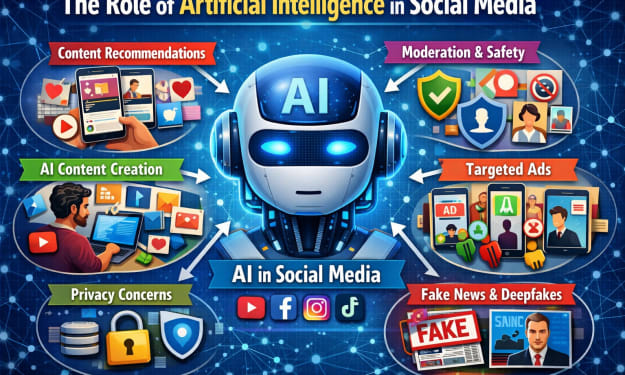
The Role of Artificial Intelligence in Social Media
Artificial Intelligence, also known as AI, is playing a very important role in social media today. Almost every social media platform uses AI in some way. From showing posts on your feed to suggesting friends and videos, AI works quietly in the background. In 2026, the role of artificial intelligence in social media has become even bigger and more powerful. To understand this role, we first need to understand what AI technology really is.
By shahid khan3 days ago in Education



Comments
There are no comments for this story
Be the first to respond and start the conversation.