
Biotechnology
Unlocking the Potential of Science for a Better Future

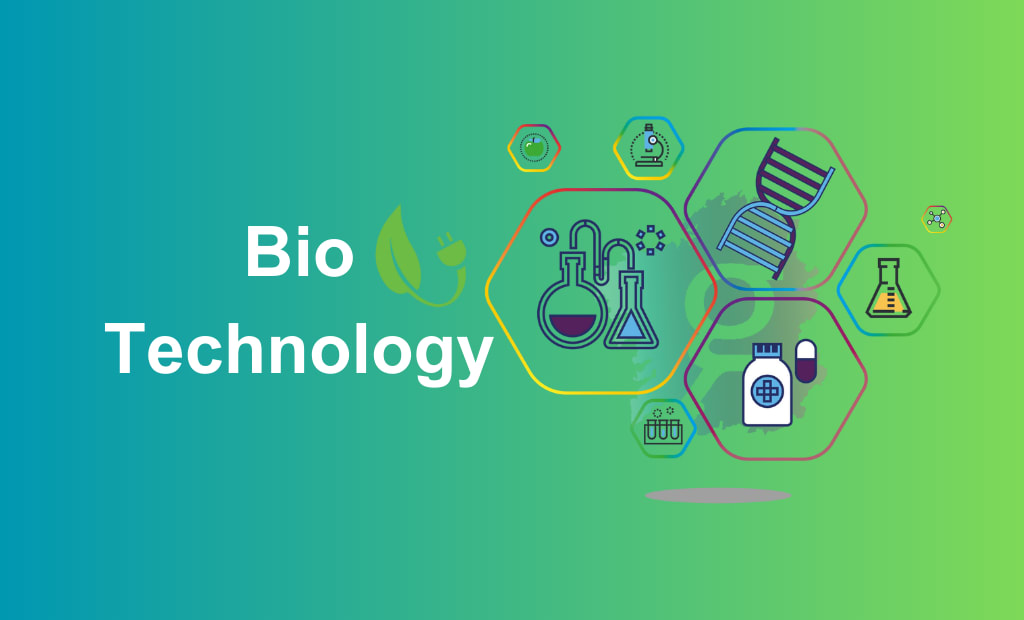
Biotechnology has become an integral part of our modern society, revolutionizing the way we approach scientific research, medicine, agriculture, and many other fields. It harnesses the power of living organisms, cells, and biological systems to develop innovative solutions to some of the most pressing challenges we face today. In this article, we will delve into the world of biotechnology, exploring its impact and applications across different sectors.
1. What is Biotechnology?
Biotechnology is a field of science that combines biology, chemistry, genetics, and other disciplines to develop and apply technological advancements that utilize living organisms or their components. It involves the manipulation of biological systems, cells, and molecules to create useful products and processes that benefit various industries and improve our quality of life.
2. The History and Evolution of Biotechnology
Biotechnology has a rich history that dates back thousands of years. Ancient civilizations, such as the Egyptians and the Chinese, used fermentation techniques to produce food and beverages. However, the modern era of biotechnology began in the 20th century with the discovery of DNA and the development of genetic engineering techniques. This breakthrough opened up new possibilities for manipulating genetic material and paved the way for significant advancements in the field.
3. Biotechnology in Medicine: Advancements and Breakthroughs
Biotechnology has revolutionized the field of medicine, enabling the development of life-saving treatments and therapies. It has contributed to the production of vaccines, insulin for diabetes, and personalized medicine tailored to individual patients. Biotechnological techniques like gene editing and stem cell research hold great promise for curing genetic diseases and regenerating damaged tissues.
4. Biotechnology in Agriculture: Feeding the Growing Population
With the global population steadily increasing, biotechnology plays a crucial role in improving agricultural practices. Genetically modified crops have been engineered to resist pests, diseases, and harsh environmental conditions, ensuring higher yields and reducing the need for harmful pesticides. Biotechnology also facilitates the production of nutrient-rich crops, addressing malnutrition and food insecurity in many regions.
5. Industrial Applications of Biotechnology
Biotechnology finds widespread applications in various industries. It is utilized in the production of biofuels, bioplastics, and bio-based chemicals, offering renewable alternatives to fossil fuels and reducing carbon emissions. Enzymes derived from biotechnological processes are employed in industries such as textiles, detergents, and paper manufacturing, enhancing efficiency and sustainability.
6. Environmental Biotechnology: Protecting Our Ecosystems
The field of environmental biotechnology focuses on preserving and restoring our ecosystems. Bioremediation techniques utilize microorganisms to degrade or detoxify pollutants, cleaning up contaminated soil and water. Additionally, biotechnology aids in waste management, converting organic waste into valuable resources like biogas and compost.
7. Biotechnology in Energy: Sustainable Solutions
As the world seeks sustainable energy solutions, biotechnology offers promising alternatives. Bioenergy derived from biomass sources, such as agricultural residues and algae, provides renewable and carbon-neutral options for electricity generation and transportation fuels. Biotechnology also contributes to the development of more efficient and cost-effective solar panels and batteries.
8. Ethical Considerations in Biotechnology
The rapid advancements in biotechnology raise ethical questions and concerns. As scientists gain the ability to manipulate genetic material, discussions around genetically modified organisms (GMOs), cloning, and human enhancement arise. Striking a balance between innovation and ethical implications is crucial to ensure responsible and beneficial use of biotechnology.
9. Future Prospects of Biotechnology
The future of biotechnology holds immense potential. Advancements in areas like synthetic biology, nanotechnology, and gene editing promise breakthroughs in personalized medicine, disease eradication, and environmental conservation. With continued research and responsible implementation, biotechnology will continue to shape our world for the better.
The Importance of Cybersecurity: Protecting Your Digital Assets 2023
FAQs
What are the ethical implications of biotechnology?
Biotechnology raises ethical concerns regarding GMOs, cloning, and human enhancement. It is essential to consider the long-term consequences and potential risks associated with these advancements.
How does biotechnology contribute to sustainable agriculture?
Biotechnology improves agricultural practices through genetically modified crops that resist pests, diseases, and harsh environmental conditions. This reduces the use of harmful pesticides and ensures higher yields, addressing food security challenges.
Can biotechnology help in the fight against climate change?
Yes, biotechnology offers sustainable solutions to combat climate change. It enables the production of biofuels, bioplastics, and bio-based chemicals, reducing dependence on fossil fuels and lowering carbon emissions.
What is the role of biotechnology in medicine?
Biotechnology has revolutionized medicine by enabling the development of vaccines, personalized medicine, and advanced therapies. It holds promise for curing genetic diseases and regenerating damaged tissues.
How does environmental biotechnology contribute to ecosystem preservation?
Environmental biotechnology utilizes microorganisms to clean up polluted environments through bioremediation. It also aids in waste management by converting organic waste into valuable resources.
As we continue to unlock the potential of biotechnology, it is essential to embrace its benefits while carefully considering the ethical implications. With responsible and sustainable practices, biotechnology has the power to drive innovation, solve global challenges, and create a brighter future for all.
Conclusion
In conclusion, biotechnology is a rapidly advancing field that holds immense promise for transforming various industries and improving our lives. From medicine to agriculture, energy to the environment, its applications are far-reaching and impactful. By harnessing the power of living organisms and biological systems, biotechnology offers innovative solutions to some of the most pressing challenges we face today. As we navigate the future, it is crucial to approach biotechnology with a balance of scientific progress and ethical considerations to ensure a sustainable and beneficial outcome for humanity.
About the Creator
Techpuffer
Discover the world of digital media and information technology, including marketing through social media, and search engine optimization. Stay on top of the latest trends and advancements in the digital world.
Keep reading
More stories from Techpuffer and writers in Education and other communities.
Data Analytics
In today's data-driven world, businesses are faced with an overwhelming amount of information at their fingertips. Making sense of this data and extracting valuable insights has become crucial for organizations to gain a competitive edge. This is where data analytics plays a pivotal role. In this article, we will explore the fascinating realm of data analytics, its importance, and how it can empower businesses to make smarter decisions.
By Techpuffer3 years ago in Education




Comments
There are no comments for this story
Be the first to respond and start the conversation.