
Biological Psychology
The Auditory System and the Brain

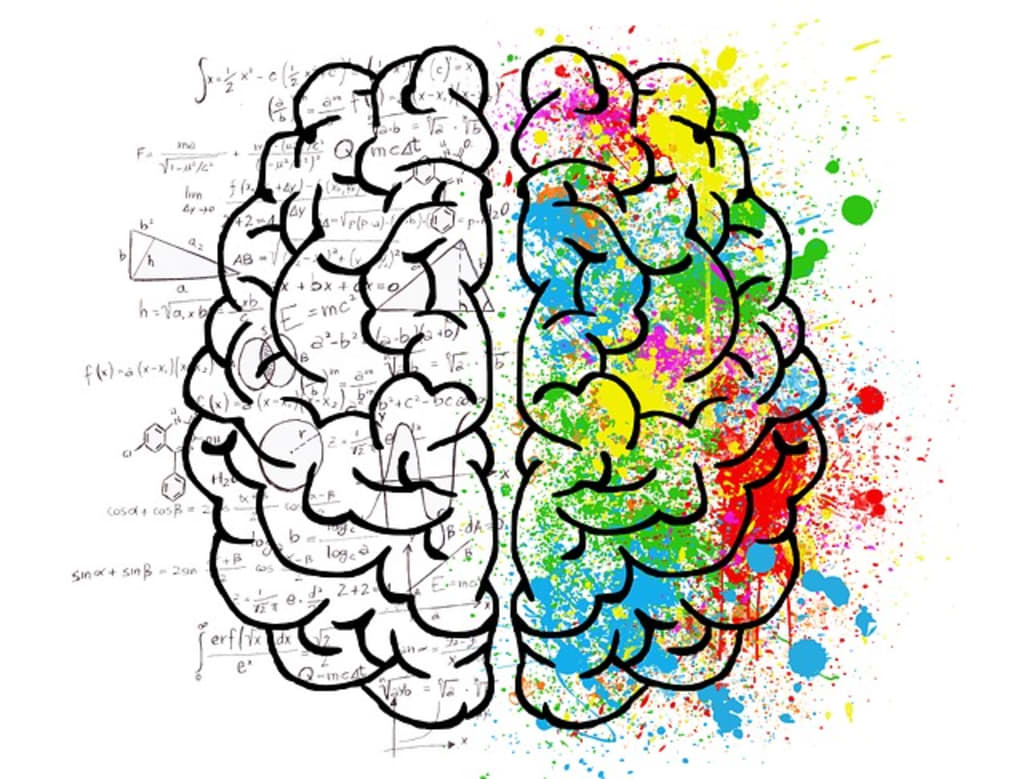
This is a continuation of the previous article that ended with the description of the ear. This part will finish with the auditory system and move into more about the brain. The mechanical effects of the ear takes the sound and transduces and sorted out to action potentials to the sound at the cochlea. There is a pull tone that is 256 Htz. The cochlea takes care of the conductive volume decreasing to the end that is thick at one end, and loose and thin at the other end. The frequencies are sorted out spatially and vibrate at the far end, and the smaller the cochlea the higher the frequency transduction begins when the frequency of the assorted shapes.
There are 1,000,000 axons in the eyes when divided there are 500,000 rods and cones. This is mentioned for you see before you hear at times. There is a vascular membrane that allows for the input and the output and to detect vibrations there are two sets of hair cells that serves as levers (small units) that force/amplify the vibrations. The tissues rules the hair cells that are bent and the pores open and then sodium rushes in, then the action potentials that are in the brain and transduction occurs. The auditory nerve that is heading to the brain with 50,000 axons in it shows that there is a lot of processing in the retina then to the brain. The processing of meaning happens in the brain.
In other areas the Skin is somatic that senses pain and according to Weber, Wundt, and Fexner (1850-1870) this is related to the mind in using the scientific method. The skin is a lawful and orderly connection to the subject processes to the mind. There is a differential sensitivity to certain parts with the different senses along with temperature, texture, and touch. This process is known as 'mapping' that is the systematic level of sensation and perception of the body. We can look in and at the skin for sense organs and find a transducer first with a microscope with the use of making good stains. The sense organism known as the skin is a sensory nerve and the concept of skin that are branched off. There is what is known as a 'myelin sheath' the exposed nerve and a free nerve ending that are all over the skin or free nerve that is ending laying flat. There are mercurial fibers that enters in the encapusulated senses of the fibers. They map where the sense organs are and many processes occur from the surface to the axons to where the processing occurs then onto the brain.
This brings us to the spinal cord where myelinated axons increase and decrease receiving information from the somas and synapses while the thalamus receives the information from the skin, muscles, tendons and joints. We now enter what is known as the 'Limbic System'. You have as a base the cortex that also includes the thalamus and the hypothalamus going to the hindbrain, midbrain, and forebrain of the cerebellum then to the spinal column.
The frontal or central fissure controls movement the area of somatic senses like the sensory cortex this maps the amount of information coming in and determines the area the cortex covers. The eyes, lips, tongue are very sensitive; the hands and palms are also very sensitive along with the genitals as well. The 'humiculus' shows how the body is defined in the cortex and more area for the sensitive areas are folded up. The brain is always adapting to systems that are happening. There are elaborate maps of where amounts of area that corresponds to the sensitivity where a variety of body areas are located. The 'posterior parietal is responsible for mapping with the auditory skin senses that help compute what we do next with all the information accumulated.
(Remember these articles are based on the lectures I heard as part of this course. They are not perfect.)
Next: Pain
About the Creator
Mark Graham
I am a person who really likes to read and write and to share what I learned with all my education. My page will mainly be book reviews and critiques of old and new books that I have read and will read. There will also be other bits, too.
Reader insights
Nice work
Very well written. Keep up the good work!
Top insight
Expert insights and opinions
Arguments were carefully researched and presented
Keep reading
More stories from Mark Graham and writers in Education and other communities.
The Secret Garden
Who remembers reading a novel entitled 'The Secret Garden' written by Frances Hodgson Burnett. The first time that I have heard of this novel was in elementary school, but I cannot remember which grade through. The teacher would read this book at the end of the day when the work was completed, but this was back in the 70's. I do believe that teachers still do this in their classrooms.
By Mark Graham3 years ago in Education
What is Affiliate Marketing: A Beginner's Step-by-Step Guide
Affiliate marketing is a performance-based online business model that generates over $12 billion annually in the U.S. alone and continues to grow as e-commerce expands. At its core, affiliate marketing allows individuals to earn commissions by promoting products or services created by other companies. Affiliates share unique tracking links through websites, blogs, social media, email lists, or videos, and earn a percentage of each sale or action completed through those links. Because affiliates don’t handle product creation, inventory, payment processing, or customer support, it’s one of the most accessible ways to monetize an online presence.
By Mohammad Sufyaan3 days ago in Education




Comments
There are no comments for this story
Be the first to respond and start the conversation.