

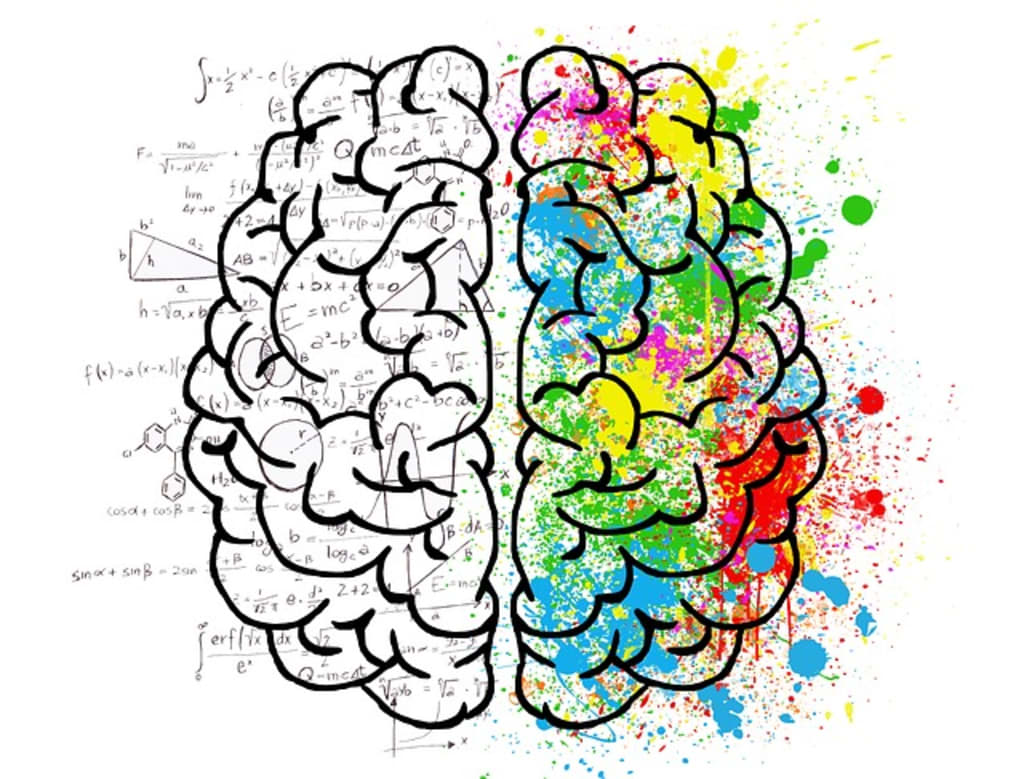
The next article is all about how the brain effects our vision. (Remember most of these articles are based on lecture notes that I am trying to interpret.) We humans specialize in this function for the energy that the total spectrum of energy we use to see a small range visually speaking. The output in the action potential translate to radiant energy and transduction changes form of energy to action potential. There are three strategies that are like a 'ovid-shape sphere'. One is a embryonic strategy at the neural crest that will become the spinal cord and the brain, and after that grows there is a shoot off of this and the embryo starts to grow the neurological part of the eye. The nerve and brain are based in tissues here.
The layers of the eye are the sclera, chriod, retina, cornea, iris, and the pupil and determines how much light and motion use for the lens. In working with the retina layer the light and the action potential will go through the rods and cones and colorless material and through small blood vessels with energy and oxygen to help with vision. The rods and cones are approximately 6.5 cones to 120 billion rods that are clustered at the back of the retina and needs more oxygen and energy that will also need glucose.
The circular chemical cycle is the cycle where wastes leave energy that is stored in a chemical form known as ATP (adenine-tri-phosphate) which is three phosphates attached and produces energy. Close to the perimeter there are more rods and along the peripheral they are less densely packed in back. Cones detect color and detail like textures and identity. Rods detect black and white and general shape and movement. Your peripheral vision is in the retina cells in front along with bi-polar cells along with the ganglion cells that send information to the brains' millions cells from the axon to the brain itself. There is a blindspot where the axons and the rods and cones leave the retina and no rods and cones leave any light falling there and nothing will be seen. We will put together information from the brain and the brain assembles a 'percept' a perspective or a picture construct sent to the brain as a horizontal or vertical illusion not the same length. This says what the person sees is not what happened and really no blind spot to see.
Transduction or a dark current where the rods and holes flowing in and out of them partially. Around 70 of these hovers on a 'on' position inhibits the next cells which is a rod but there is 'No light' for the electrical stimulus is hard to detect. Now the array which is where disk membrane is packed together where many molecules are responding to light. There are 2000 stacked disks which are the same as vesicles that are being continuously being renewed. There are 120 million rods equal to 2000 disks. Light comes through to hit the molecules that are on the disks which are studded molecules that come apart. There is a chain of events that the chemicals are to end or change/denature the chemical holding open the sodium channel and the sodium pumps out a dark current stops. The inhibitory cells in nature regulated to the resting potential light to now an action potential.
Light going into the retina if I am reading and interpreting the drawing I made during this lecture the light goes into the retina into the rods and cones with the 02 and glucose from the blood that happens very rapidly like .0000000002 seconds. As a small review there are 120 million rods/ 2000 disks/ 3 billion molecules (retinene and opsin that are proteins. Retinene is lent by opsin and modified by vitamin A. There is a cascade of multiple events in order to Na+ top and pumped out of the bottom.
To be continued (More on Vision)
About the Creator
Mark Graham
I am a person who really likes to read and write and to share what I learned with all my education. My page will mainly be book reviews and critiques of old and new books that I have read and will read. There will also be other bits, too.
Reader insights
Nice work
Very well written. Keep up the good work!
Top insight
Expert insights and opinions
Arguments were carefully researched and presented
Keep reading
More stories from Mark Graham and writers in Education and other communities.
Biological Psychology
This is a continuation of the previous article subtitled 'The Brain'. This article is about more parts of the brain and various methods to study this important organ of the body. The brain is important in many ways and here's how some parts function as well as how we can study this awesome piece of work.
By Mark Graham3 years ago in Education
Colors and Such
Before I retired in 2020, I worked as a Nursing instructor in one of the nation's largest community colleges. It was a job I thoroughly enjoyed for fifteen years because I had a heart for the students and genuinely wanted to invest in them and their futures.
By Shirley Belka day ago in Education
Decoding the Rise and Fall of Global Commodity Markets
Commodity markets have always moved in waves, rising and falling in response to forces that stretch far beyond daily trading activity. These movements can appear chaotic on the surface, yet beneath the volatility lies a structure shaped by economics, human behavior, and long-term investment patterns. From energy and metals to agricultural products, commodities follow cycles that repeat over time, although never in the same way. Understanding these cycles offers clarity in markets often seen as unpredictable.
By Anthony Blumberg4 days ago in Education



Comments (1)
So interesting. The brain is incredible.