
Beyond the Screen: Transforming Digital Designs into Printed Masterpieces
Bridging Creativity and Craft: Bringing Digital Art to Life Through Exceptional Printing
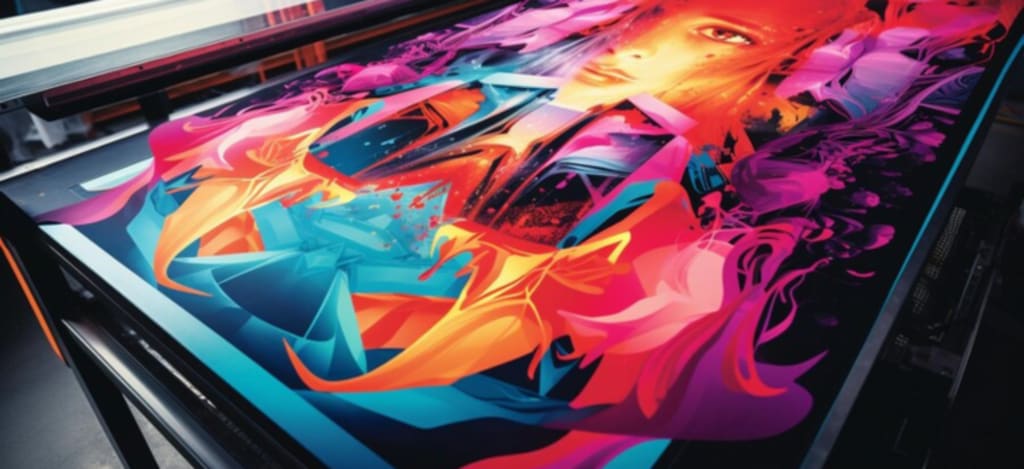
In today’s visually driven world, the transition of digital designs to tangible prints is a fascinating art and science. While designing on a digital canvas offers boundless creative opportunities, translating that creativity into print comes with its own set of challenges and nuances. From understanding color profiles to selecting the right materials, every step plays a crucial role in ensuring the final print matches your vision. Let’s dive into the essentials of transforming digital designs into printed masterpieces.
The Importance of Print in a Digital Age
Despite the dominance of digital media, printed materials retain a unique value. Physical prints can create a lasting impression, offering tactile and visual experiences that digital platforms often lack. Whether it’s a business card, poster, or packaging design, high-quality prints communicate professionalism and attention to detail. For brands, print serves as a tangible representation of their identity, bridging the gap between virtual presence and real-world impact.
Designing for Print vs. Digital
Designing for print involves a distinct approach compared to digital media. Here are some key differences:
Resolution: Digital screens typically display images at 72 PPI (pixels per inch), while print requires a much higher resolution, usually 300 DPI (dots per inch), to ensure clarity and sharpness.
Color Modes: Digital designs use RGB (Red, Green, Blue) color mode, which is optimized for screens. For print, CMYK (Cyan, Magenta, Yellow, Black) is the standard, as it represents the ink colors used in printers.
Dimensions and Bleed: Print designs must include bleed areas—extra space around the edges to prevent white borders due to trimming inconsistencies. Precise dimensions and guidelines are crucial for professional results.
Font Embedding: In digital media, fonts are rendered dynamically, but for print, they need to be embedded or outlined to prevent compatibility issues.
Choosing the Right Materials
The choice of materials can dramatically influence how your design is perceived. Here are some considerations:
Paper Types: Glossy paper enhances vibrant colors, while matte finishes give a sophisticated, understated look. Textured papers add depth and uniqueness.
Weight and Thickness: Heavier paper feels premium and durable, making it ideal for business cards or invitations.
Special Finishes: Foil stamping, embossing, and UV coating can elevate the design, adding a tactile and visual wow factor.
Preparing Your Files for Print
Before sending your designs to the printer, it’s essential to prepare your files correctly. This ensures that your vision translates accurately into the final print:
Set the Correct Color Mode: Convert your file to CMYK to see how colors will appear when printed.
Include Bleed and Safe Zones: Add at least 0.125 inches (or the printer’s specified requirement) of bleed and keep important elements within the safe zone.
Use High-Quality Images: Ensure all images are at least 300 DPI to avoid pixelation.
Embed or Outline Fonts: This prevents font substitution or missing text in the final print.
Save in the Right Format: PDFs are the industry standard for print due to their reliability and compatibility.
Partnering with the Right Printer
Working with a reputable printing service like Design Printo can make a world of difference. Here’s how to choose the right partner:
Expertise: Look for printers with experience in your specific type of project.
Capabilities: Ensure they offer the materials, finishes, and sizes you need.
Proofing Options: A good printer will provide proofs for you to review before the final run.
Customer Support: Clear communication and guidance can prevent costly mistakes.
The Magic of Special Printing Techniques
To truly create a masterpiece, consider incorporating special printing techniques. These methods add depth, texture, and uniqueness to your designs:
Letterpress: Creates a debossed effect for a vintage, handcrafted feel.
Foil Stamping: Adds metallic shine, perfect for luxury brands.
Embossing and Debossing: Elevates designs with raised or recessed elements.
Spot UV Coating: Highlights specific areas with a glossy finish, drawing attention to key details.
Bridging the Digital and Physical Worlds
While the technical aspects of printing are crucial, the emotional connection is equally important. Physical prints evoke a sense of permanence and authenticity that digital designs often lack. Whether it’s the weight of a beautifully designed business card or the intricate details of a custom invitation, prints create memorable experiences.
Incorporating augmented reality (AR) can further bridge the digital and physical realms. By embedding QR codes or NFC tags in your prints, you can link them to digital content, creating interactive and engaging experiences.
Final Thoughts
Transforming digital designs into printed masterpieces requires a blend of creativity, technical knowledge, and meticulous attention to detail. By understanding the differences between digital and print, selecting the right materials, and leveraging special techniques, you can bring your designs to life in ways that leave a lasting impression.
Remember, every print is an opportunity to showcase your vision and connect with your audience on a deeper level. So, go beyond the screen and embrace the artistry of printing to make your designs truly unforgettable.



Comments
There are no comments for this story
Be the first to respond and start the conversation.