
Beyond the Pill Bottle: Your Guide to the Best Drinks for High Blood Pressure
Every Glass Counts in the Fight for Better Health

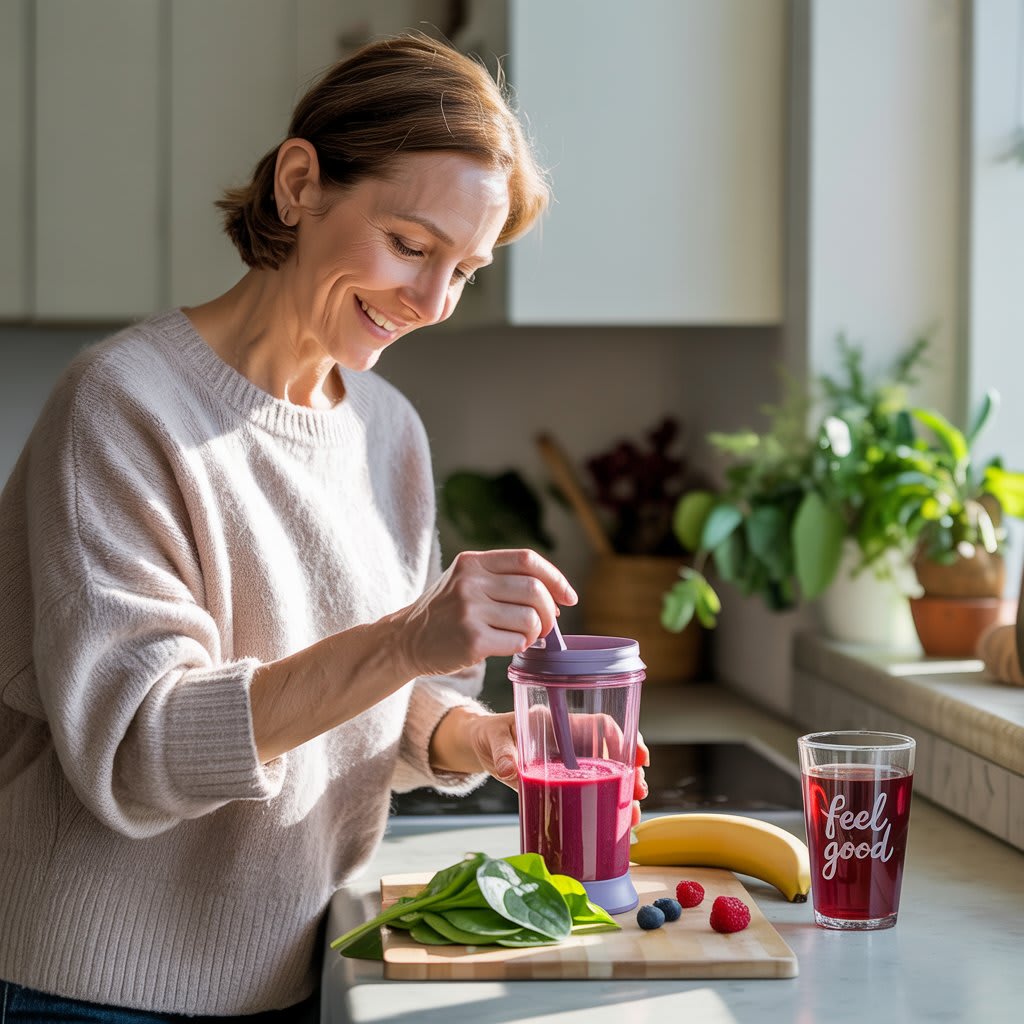
You diligently take your medication, try to watch your salt, and maybe even squeeze in a walk. But what about what's in your glass? If you're among the millions managing high blood pressure (hypertension), you know every choice counts. What you drink isn't just about quenching thirst; it can be a powerful ally – or a hidden enemy – in your quest for healthier blood pressure.
Think about it: we sip beverages all day long. Coffee in the morning, water throughout the day, maybe juice, tea, or a glass of wine in the evening. Each choice sends signals to your body, affecting your blood vessels, fluid balance, and ultimately, that crucial number on the monitor.
This isn't about magic potions or quick fixes. It's about understanding the science-backed impact of everyday drinks and making smart, sustainable swaps that support your heart health goals. Let's explore the best drinks to help lower blood pressure and the ones it's wise to limit.
Hydration Heroes: The Foundation
1. Plain Water: The Ultimate Elixir
- Why it's Best: Adequate hydration is fundamental. When you're dehydrated, your blood thickens slightly, and your body may release hormones like vasopressin that can cause blood vessels to constrict, raising pressure.
- How Much? Aim for 6-8 glasses daily (around 1.5-2 liters), but individual needs vary. Listen to your thirst and check your urine color (pale yellow is ideal).
- Tip: If plain water feels boring, try adding slices of cucumber, lemon, lime, berries, or a sprig of mint for natural flavor without the downsides.
2. Low-Fat or Skim Milk: Calcium & Potassium Powerhouse
- Why it Helps: Dairy is a significant source of calcium, potassium, and magnesium – a trio of minerals consistently linked to healthier blood pressure (especially potassium, which helps counterbalance sodium's effects). Opting for low-fat or skim versions avoids the saturated fat found in whole milk.
- The Evidence: Studies like the DASH (Dietary Approaches to Stop Hypertension) diet trials highlight the blood pressure-lowering benefits of including low-fat dairy.
3. Hibiscus Tea: The Vibrant Contender
- Why it Stands Out: Hibiscus tea (made from the calyces of the Hibiscus sabdariffa flower) is rich in antioxidants, particularly anthocyanins. Research, including several meta-analyses, suggests regular consumption (about 2-3 cups daily) can lead to significant reductions in both systolic and diastolic blood pressure, potentially comparable to some medications.
- Taste: It has a tart, cranberry-like flavor. Enjoy it hot or iced, unsweetened.
4. Beetroot Juice: Nature's Nitrate Boost
- The Science: Beets are exceptionally high in dietary nitrates. Your body converts these nitrates into nitric oxide, a potent molecule that relaxes and widens blood vessels (vasodilation), improving blood flow and lowering pressure. Studies often show reductions within hours, with sustained benefits from regular intake.
- How to Enjoy: Start with a small glass (4-6 oz) daily. The earthy taste can be strong; try blending it with a small apple or carrot. Note: Can temporarily turn urine/feces pink – harmless!
5. Pomegranate Juice (100%, No Added Sugar): Antioxidant Rich
- Why it Works: Packed with potent antioxidants (polyphenols), pomegranate juice has shown promise in improving endothelial function (the health of blood vessel linings) and modestly reducing blood pressure, particularly systolic pressure. Crucially: Choose 100% pure juice with no added sugar and limit to a small serving (4-6 oz) daily due to natural sugar content.
6. Oat Milk: Heart-Healthy Beta-Glucans
- The Benefit: Naturally contains beta-glucans, a type of soluble fiber known to help lower LDL ("bad") cholesterol. While direct blood pressure effects are less pronounced than some others, its cholesterol-lowering benefit supports overall cardiovascular health. Choose unsweetened varieties.
- Bonus: Often fortified with calcium and vitamin D.
7. Coconut Water (Unsweetened): Natural Electrolytes
- The Pros: A natural source of potassium and magnesium. While generally lower in potassium than often believed (about 600mg per cup vs. 950mg+ in a banana), it still contributes to intake and provides hydration. Opt for plain, unsweetened versions.
- Caveat: Can be higher in natural sugars than plain water. Enjoy in moderation.
Drinks to Limit or Avoid: The Pressure Raisers
1. Sugar-Sweetened Beverages (SSBs): Soda, fruit punch, sweetened iced tea, energy drinks, fancy coffee drinks.
- Why Harmful: High sugar intake is strongly linked to weight gain, insulin resistance, inflammation, and increased blood pressure. Fructose, in particular, can raise uric acid levels, impairing blood vessel function.
2. Excess Alcohol:
The Complex Relationship: While very small amounts might have a minimal relaxing effect, more than moderate drinking is a major risk factor for hypertension. It can damage the heart muscle, raise triglycerides, contribute to weight gain, and interfere with medications. Stick to guidelines: Up to 1 drink per day for women, 2 for men (one drink = 12 oz beer, 5 oz wine, 1.5 oz spirits). Less is often better for BP.
3. High-Sodium Drinks:
- Culprits: Some vegetable juices (like classic V8), savory broths or bouillons, and even some bottled smoothies can be surprisingly high in sodium. Always check labels! Excess sodium causes your body to retain water, increasing blood volume and pressure.
4. Energy Drinks:
- Double Whammy: Packed with caffeine (often very high doses) and sugar (or artificial sweeteners, whose effects are still debated). The caffeine causes a rapid spike in blood pressure and heart rate, while the sugar contributes to long-term risks.
Putting It Into Practice: Simple Swaps
- Morning: Swap sugary juice or a large latte for hibiscus tea or black coffee (see FAQ below!) with a splash of low-fat milk.
- Lunch: Ditch the soda for sparkling water with lemon or unsweetened iced tea.
- Afternoon Slump: Instead of an energy drink, try a small glass of beet juice or plain water.
- Dinner: Enjoy a glass of water or unsweetened tea. If having alcohol, stick to one serving.
- Evening: Wind down with chamomile tea (generally neutral for BP) or warm low-fat milk.
Frequently Asked Questions (FAQs)
1. Is coffee bad for high blood pressure?
It's nuanced. Coffee can cause a temporary (minutes to hours) spike in blood pressure, especially if you don't drink it regularly. However, long-term studies generally do not show that moderate coffee consumption (3-4 cups per day) increases the risk of developing hypertension or heart disease in most people. Key: Know your own body! If coffee noticeably spikes your BP, consider limiting it or switching to decaf. Avoid loading it with sugar and cream.
2. What about green tea?
- Green tea is a healthy choice overall! It's rich in antioxidants (catechins). While its direct blood pressure-lowering effect might be more modest than hibiscus tea, it's certainly a beneficial, calorie-free beverage. Enjoy it unsweetened.
3. Is one glass of red wine good for BP?
- The potential heart benefits of red wine (like resveratrol) are often overstated, especially concerning blood pressure. While very moderate alcohol might not raise BP significantly for some, the risks of exceeding moderation are clear. You don't need alcohol for heart health; the benefits can be gained safer through diet and exercise. If you don't drink, don't start for BP.
4. Can I drink diet soda?
- This is debated. While diet soda avoids the sugar and calories of regular soda, some observational studies have linked artificial sweeteners to potential increased hypertension and metabolic disease risk. The science isn't conclusive, but water, tea, or sparkling water are undoubtedly safer and more beneficial choices. Proceed with caution and moderation.
5. How quickly will these drinks lower my BP?
- Don't expect overnight miracles. While beet juice might show effects within hours, sustainable blood pressure management requires consistent healthy habits – including smart drink choices – over weeks and months. Think of these beverages as part of your long-term toolkit alongside diet, exercise, stress management, and medication (if prescribed).
Your Sip Towards Better Health
Managing high blood pressure is a journey, and what you drink is a powerful companion on that path. By choosing water, hibiscus tea, beet juice, low-fat milk, and other supportive beverages while consciously limiting sugary drinks, excess alcohol, and high-sodium options, you're actively taking control of your heart health.
Remember: Always consult with your doctor or a registered dietitian before making significant dietary changes, especially if you have hypertension or take medication. They can provide personalized advice tailored to your unique health profile.
What's your go-to blood pressure-friendly drink? Have you tried hibiscus or beet juice? Share your experiences and questions in the comments below – let's learn from each other! And if you found this guide helpful, please share it with someone who might benefit.
Disclaimer: This article is for informational purposes only and does not constitute medical advice. Always consult with a qualified healthcare professional for diagnosis and treatment of medical conditions.
About the Creator
Epic Vibes
✨ Welcome to Epic Vibes Blog! 🌟 Explore diverse insights and trending topics. From the latest buzz to hidden gems across various realms, we bring you fresh, engaging content. Stay ahead with us! 🚀
Keep reading
More stories from Epic Vibes and writers in Education and other communities.
Kids fun activities to do at Home
Remember that magical spark in your child’s eyes when they’re utterly absorbed in play? That pure, unadulterated joy isn't just fun – it's the rocket fuel for their growing minds, bodies, and hearts. As a parent and long-time advocate for creative childhood play (I’ve spent years researching and testing activities in real homes and classrooms!), I know the struggle is real: keeping kids entertained, engaged, and off screens without endless prep or breaking the bank. That’s why I’ve compiled this treasure trove of kids fun activities designed to ignite imaginations, foster learning, and create priceless memories. Forget the "I'm bored!" chorus – let's dive in!
By Epic Vibes7 months ago in Education
Can You Really Earn Money With Transcription? The Real Income Reality
The short answer is yes—you can earn money with transcription. But the more honest, useful answer is this: transcription only becomes worthwhile when you understand how the income actually works, not how it’s often presented online.
By Mahesh Kumar4 days ago in Education
Beyond the Transcript: What Extracurriculars and Essays Reveal That Grades Cannot
Colleges today look far beyond GPAs and test scores to understand who applicants truly are. While academic metrics indicate preparedness for coursework, they fail to capture personality, resilience, passion, and potential contributions to campus life. This is why essays, extracurricular activities, and other non-academic elements of an application hold significant power. They offer admissions officers a fuller, richer, more human version of the student—one that no number can represent.
By Carmen Reid7 days ago in Education
Ludacris and Nelly draw backlash over bookings at MAGA-coded music festival
Ludacris and Nelly headlining a mostly right-wing event is good for them. It’s also great for the genre of hip hop. The two rap veterans have showcased their talents on other stages. Why can’t they perform for mostly MAGA folks and grab that bag?
By Skyler Saunders4 days ago in Beat


Comments
There are no comments for this story
Be the first to respond and start the conversation.