
Beyond Spreadsheets: The New Era of Centralized Workplace Management
Workplace Management Software

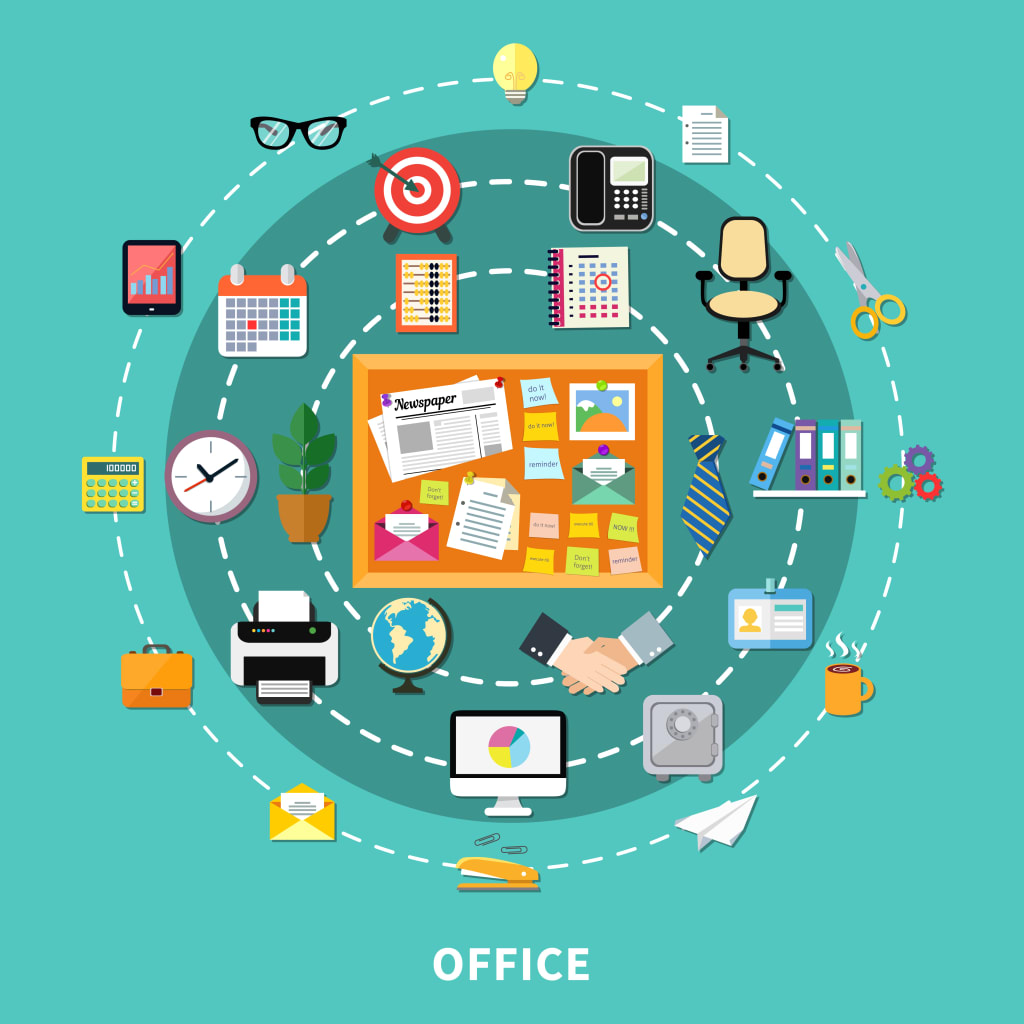
Workplaces have evolved in every possible way, yet many companies still depend on spreadsheets to manage everyday operations. It feels familiar and easy, but the truth is different. As teams grow, spreadsheets become slow, complicated, and almost impossible to maintain without errors. This is why organizations are moving toward a more organised and intelligent method: centralised workplace management software. It brings every workplace function into one system, making operations smoother, faster, and far more reliable than traditional manual tracking.
Why Spreadsheets Fail Modern Workplaces
Spreadsheets were never meant for real-time workplace activity. They are fine for small tasks, but not for companies handling hundreds of employees, shifting schedules, daily visitors, asset usage, and facility tasks.
The limitations become clear very quickly.
Data gets outdated, people use different versions, files break, and simple mistakes cause unnecessary delays. Spreadsheets offer no live visibility. A room may look free in a sheet while someone else has already booked it. A maintenance issue may stay unnoticed because the file was not updated. When the workplace becomes dynamic, spreadsheets start creating more problems than solutions.
The Shift Toward One Connected System
Centralised workplace management removes this clutter. Instead of jumping between multiple files, teams use one platform where everything updates instantly. Meeting rooms, visitor passes, employee attendance, desk bookings, maintenance tickets, access permissions, and asset tracking all run in the same system.
If an employee books a desk, everyone sees it.
If a machine needs service, the facility team gets notified immediately.
If a visitor checks in, security and the host both get updates automatically.
This level of clarity is something spreadsheets cannot offer, especially when a workplace runs on hybrid schedules.
Supporting Hybrid Work Without Confusion
Hybrid work has changed office behaviour permanently. People no longer come in daily. Teams pick different schedules. Employees shift between home and office based on convenience.
Trying to track this through spreadsheets becomes messy.
A centralised system shows who is working from where, which desks are available, and how many people are expected on a given day. Employees can plan their week properly. Managers can schedule collaboration sessions easily. The workplace becomes predictable instead of chaotic.
This not only improves coordination but also reduces unnecessary travel and overcrowding on certain days.
Faster Operations With Built-In Automation
One major advantage of centralised workplace management is automation. Many tasks that normally take time are handled by the system on its own.
Booking approvals, visitor passes, attendance syncing, room confirmations, access permissions, and even maintenance escalations happen automatically.
Employees no longer need to type everything manually.
For example:
If an AC unit starts failing, sensors can alert the facility team instantly.
If a visitor arrives, the system prints the pass and notifies the employee.
If a room stays unused despite booking, it gets released again.
Automation reduces human error and allows teams to focus on productive work, not administrative updates.
Better Decisions Through Real-Time Data
Workplace leaders need clear, honest data to make decisions. Spreadsheets can store information, but they cannot interpret it.
A centralized platform, on the other hand, studies daily patterns and presents them in a simple view.
Companies can learn things like
• How often certain floors are used
• Which meeting rooms are always busy
• What time of day the office is crowded
• How many visitors come each week
• When maintenance issues peak
• Which teams need more space
These insights help plan expansions, rearrange work areas, and reduce unnecessary costs.
Easier and Enhanced Employee Experience
A smoother and easier-to-navigate work environment will enhance the employee experience.
Centralised management eliminates the opportunity for most obstacles, enabling employees to quickly locate room availability, choose a desk to use, request assistance and find out the current occupancy levels of the other compliant audio-visual-enabled rooms within the same facility via a single source.
Additionally, faster visitor check-in procedures, real-time requests for instant approvals and removing delays from communication regarding time-sensitive maintenance issues with the appropriate company representatives will improve and create a healthier working environment. An organised, well-structured workplace environment produces a much healthier work atmosphere and promotes collaboration among staff members.
Creating a Future-Ready Workplace
Workplaces require scalable systems that can easily adapt to all changes in structure, including adding new departments and/or floors, and will provide an easy-to-use centralised platform for managing all employees and resources.
Regardless of whether the company occupies one office or multiple floors of a building, everything will be interconnected.
This prepares organisations for the future. Hybrid work, sustainability goals, modern security standards, and digital transformation all become easier when everything runs inside one connected system.
Conclusion: Spreadsheets Belong To The Past; Centralisation Builds The Future
Spreadsheets served workplaces for many years, but they cannot match the speed and complexity of today’s operations.
Centralised workplace management software offers a cleaner, more reliable, and smarter way to run the entire office.
It brings clarity to teams, reduces manual tasks, supports hybrid models, and gives leaders the insights they need to build a better workplace. The organisations that move beyond spreadsheets today will be the ones ready for the future of work.
About the Creator
Sukesh baskaran
Our property management software simplifies property operations with next-gen solutions, offering 360° management for residential and commercial real-estate.
Keep reading
More stories from writers in Education and other communities.
Why Certification Protects Transcription Careers in the Age of AI
Artificial Intelligence has rapidly transformed the transcription industry. Speech-to-text tools now promise instant results, lower costs, and effortless productivity. For businesses focused purely on speed, AI often appears to be the perfect solution. However, beneath this promise lies a critical reality: speed without accuracy creates risk.
By Mahesh Kumar6 days ago in Education
How Japan Saved Its Biggest City from Collapse
400 years ago, modern-day Tokyo was known as Edo, and it was already one of the biggest cities in the world, with a population approaching 1 million. However, it was on the verge of ecological collapse. Years of intense logging had led to massive deforestation. The city now faced timber shortages and the impacts of severe erosion and frequent flooding that threatened food supplies. But over just a few decades, Edo will transform and become one of the most sustainable and efficient cities in history.
By Munesh Yadavabout 2 hours ago in Education



Comments
There are no comments for this story
Be the first to respond and start the conversation.