
Beyond Language: The Art of Effective Communication
Understanding the Nuances of Communication in a Globalized World

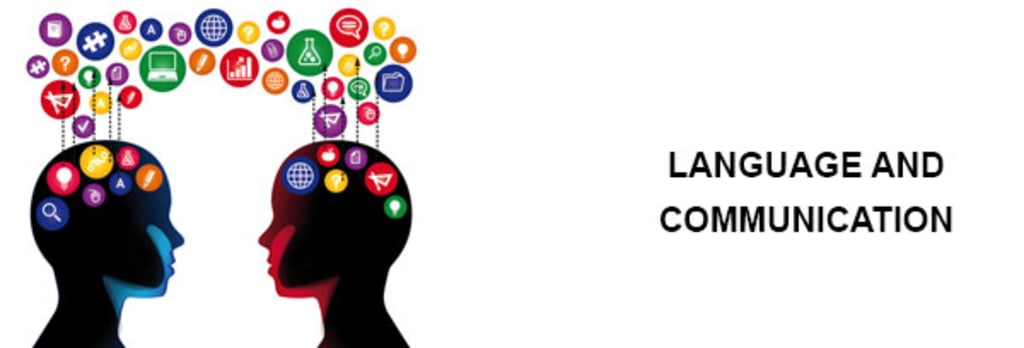
Language is often mistaken for communication, but the truth is that they are two different concepts. Language is a set of symbols, words, and grammar rules that are used to communicate. Communication, on the other hand, is the process of exchanging information and understanding between individuals or groups, regardless of the language they use.
One example of this can be seen in the world of international business. When companies from different countries come together to conduct business, they often face language barriers. However, these barriers can be overcome through effective communication.
For instance, let's say a company from Japan wants to do business with a company in Brazil. While they may not speak the same language, they can still communicate effectively by using interpreters or translators, or by using visual aids like diagrams or charts.
However, even when individuals speak the same language, miscommunication can still occur. This is because language is not just about the words themselves, but also the tone, context, and cultural nuances in which they are used.
For example, a simple phrase like "I'm fine" can have different meanings depending on the tone and context in which it is used. If someone says "I'm fine" with a smile and in a positive tone, it usually means they are doing well. But if someone says "I'm fine" with a monotone voice and a blank expression, it could mean that they are upset or unhappy.
Another example is the use of sarcasm. Sarcasm is a common form of communication in some cultures, but in others, it can be seen as rude or disrespectful. This is because sarcasm relies heavily on tone and context to convey meaning, which can be easily misunderstood in a different cultural context.
In addition, language can also be used to manipulate or deceive others. For example, politicians may use carefully crafted language to sway public opinion or to avoid answering difficult questions. Advertising agencies may use language to create a sense of urgency or scarcity in order to encourage consumers to buy their products.
However, effective communication is about more than just language. It involves active listening, empathy, and an understanding of cultural differences. By focusing on these aspects, individuals and groups can overcome language barriers and communicate effectively with one another.
Language and communication are not the same thing. Language is a tool used to communicate, but effective communication involves more than just the words themselves. By understanding the nuances of language and focusing on active listening and cultural awareness, individuals and groups can overcome language barriers and communicate effectively with one another.
In today's globalized world, effective communication is more important than ever. As people from different cultures and backgrounds interact with one another, language can be a major barrier to communication. However, by understanding the differences between language and communication, individuals and groups can overcome these barriers and work together towards shared goals.
One important aspect of effective communication is active listening. This means paying attention to what the other person is saying, asking clarifying questions, and showing empathy towards their perspective. By actively listening, individuals can ensure that they are understanding the other person's point of view and avoid misunderstandings.
Another important aspect of effective communication is an understanding of cultural differences. This includes not only language, but also nonverbal communication, customs, and values. For example, in some cultures, it is considered rude to make direct eye contact or to interrupt someone when they are speaking. By being aware of these cultural differences, individuals can avoid inadvertently causing offense and build stronger relationships with people from different backgrounds.
It is also important to recognize that effective communication is a two-way street. In order for communication to be successful, both parties must be willing to listen, be open-minded, and make an effort to understand each other. This means that individuals must be willing to adapt their communication style to suit the needs of the other person, whether that means speaking more slowly or using visual aids to convey information.
Ultimately, the key to effective communication is to focus on the message, not just the language used to convey it. By focusing on the meaning behind the words and taking into account the cultural and contextual factors that shape communication, individuals and groups can work together towards shared goals and achieve success in their personal and professional lives.
To sum it up all, while language is an important tool for communication, it is not the only factor that determines effective communication. By focusing on active listening, cultural awareness, and a willingness to adapt communication styles to suit the needs of others, individuals and groups can overcome language barriers and communicate effectively with one another. As the world becomes increasingly interconnected, the ability to communicate across cultures and languages is becoming an increasingly important skill in both personal and professional contexts.
About the Creator
Arun Kumar
Am a passionate Blogger and aspire to be a best-selling author. I am always willing to go that extra mile to make a difference in my life to create value for myself and others.
Keep reading
More stories from Arun Kumar and writers in Education and other communities.
Unleashing Your Inborn Creativity
Creativity is the ability to think outside the box, to come up with new ideas and solutions that are original, useful, and valuable. Many people believe that creativity is something that is either innate or acquired through training and experience. However, research suggests that creativity is a combination of both nature and nurture and that everyone has the potential to be creative.
By Arun Kumar3 years ago in Education
The Complete Path to Growth: A Practical Guide to Hospitality Expansion for Ambitious Leaders
Expansion is one of the most effective strategies for hospitality businesses aiming to reach new markets, increase revenue, and strengthen brand visibility. Whether growing through new locations, enhanced services, or improved digital reach, expansion requires careful planning and consistent leadership. Growth-driven hospitality leaders understand that expansion is not just about scaling up but about doing so in a way that protects quality, operational stability, and customer satisfaction. With the right systems in place, hospitality businesses can expand sustainably and build long-term competitive advantages.
By Asad Malik7 days ago in Education
How Solar Flares Affect Earth: Impacts on Technology, Climate, and Human Life
What Are Solar Flares? A solar flare is a sudden, intense burst of electromagnetic radiation from the Sun’s surface. These flares occur when magnetic energy stored in the Sun’s atmosphere is suddenly released. They often happen near sunspots—dark regions on the Sun associated with strong magnetic activity.
By shahkar jalal5 days ago in Education



Comments
There are no comments for this story
Be the first to respond and start the conversation.