
Best Trading Strategies in 2023:
Different Trading Methods

There are many different trading strategies that traders can use, and the best strategy for one trader may not be the best for another. Some popular strategies include:
Trend following:
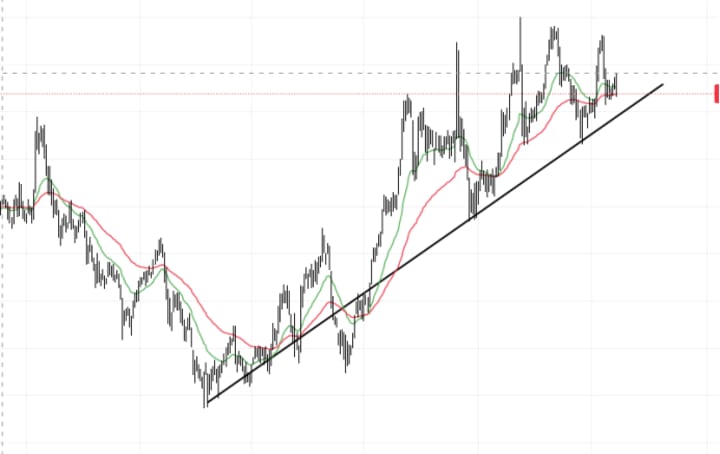
This strategy involves identifying and following a market trend, either upward or downward, and taking advantage of the momentum.
Trend following is a popular trading strategy that involves identifying and following a market trend, either upward or downward, and taking advantage of the momentum. The idea is to buy into an upward trend and sell into a downward trend.
There are different ways to identify trends, such as using technical indicators like moving averages, trend lines, and momentum indicators. Traders also use chart patterns and price action to identify trends.
Once a trend is identified, traders will typically use a set of rules to enter and exit trades, such as using stop-loss orders to limit potential losses.
One of the main advantages of trend following is that it can help traders capture significant profits in a relatively short period of time. However, it also has some disadvantages. The strategy can be difficult to execute correctly and requires discipline and patience. Additionally, trend following strategies can experience extended periods of drawdown or under performance.
It's important to note that while trend following can be an effective strategy, it is not a guaranteed way to make money and traders should always be aware of the risks involved.
Mean reversion:
This strategy involves identifying when a market or security's price has deviated from its average and betting that it will eventually return to that average
Mean reversion is a trading strategy that involves identifying when a market or security's price has deviated from its average and betting that it will eventually return to that average. The idea behind mean reversion is that prices and returns tend to fluctuate around a long-term average, and that over time, prices that are either too high or too low will eventually revert to the mean.
Traders use different methods to identify mean reversion opportunities, such as statistical arbitrage, which involves identifying and taking advantage of pricing inefficiencies between related markets or securities. They also use technical indicators like Bollinger Bands and the Relative Strength Index (RSI) to identify overbought and oversold conditions.
Once a mean reversion opportunity is identified, traders will typically use a set of rules to enter and exit trades, such as using stop-loss orders to limit potential losses.
One of the main advantages of mean reversion is that it can help traders capture profits in both rising and falling markets, as it can be applied to short or long positions. However, it also has some disadvantages. It requires a deep understanding of the underlying market or security, and it can be difficult to identify the correct level at which to enter or exit a trade. Additionally, mean reversion strategies can experience long periods of underperformance and can be sensitive to market regime changes.
It's important to note that while mean reversion can be an effective strategy, it is not a guaranteed way to make money and traders should always be aware of the risks involved.
Position trading:
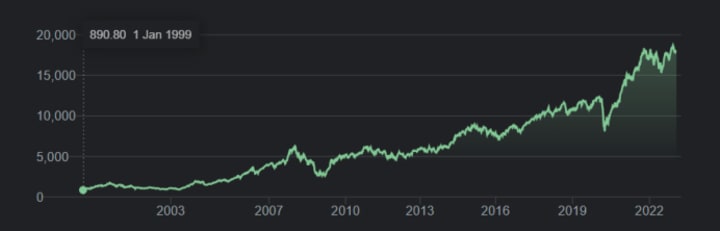
This strategy involves holding a position in a market or security for an extended period of time, with the expectation that the position will increase in value.
Position trading is a trading strategy that involves holding a position in a market or security for an extended period of time, with the expectation that the position will increase in value over time. The idea behind position trading is that by holding a position for a longer period, the trader will be able to capture larger gains and also benefit from any dividends or interest that may accrue over time.
Position traders use a variety of methods to identify opportunities, such as fundamental analysis, which involves looking at a company's financials, management, and industry conditions, to determine its long-term potential. They also use technical analysis, which involves studying charts and historical price data to identify trends, support and resistance levels, and other patterns.
Once a position trading opportunity is identified, traders will typically use a set of rules to enter and exit trades, such as using stop-loss orders to limit potential losses.
One of the main advantages of position trading is that it allows traders to capture larger gains over time, and also benefit from any dividends or interest that may accrue over time. However, it also has some disadvantages. It requires a significant amount of patience, as positions may be held for months or even years. Additionally, position trading strategies can experience extended periods of underperformance and can be sensitive to market regime changes.
It's important to note that while position trading can be an effective strategy, it is not a guaranteed way to make money and traders should always be aware of the risks involved, specially in the long term.
Scalping:
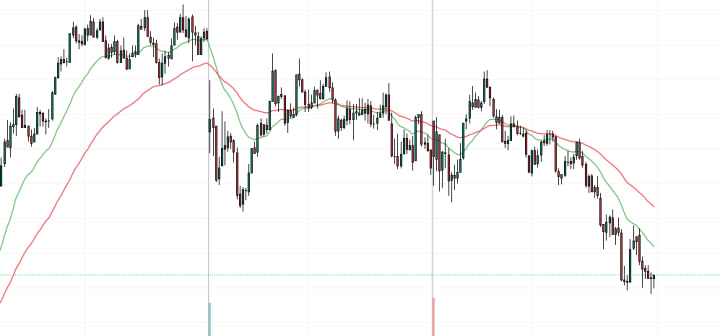
This strategy involves taking advantage of small price movements in a market or security by buying and selling quickly.
Scalping is a trading strategy that involves taking advantage of small price movements in a market or security by buying and selling quickly. The goal of scalping is to make a large number of small profits by taking advantage of short-term price movements, rather than trying to capture larger gains over a longer period. Scalpers typically hold their positions for only a few seconds to a few minutes.
Scalpers use a variety of methods to identify opportunities, such as using technical indicators like moving averages, Bollinger Bands, and the Relative Strength Index (RSI) to identify overbought and oversold conditions. They also use chart patterns and price action to identify short-term trends.
Once a scalping opportunity is identified, traders will typically use a set of rules to enter and exit trades, such as using stop-loss orders to limit potential losses. Scalping requires a high level of focus and discipline, as well as the ability to make quick decisions and execute trades quickly.
One of the main advantages of scalping is that it can be a highly effective way to generate profits in a relatively short period of time. However, it also has some disadvantages. It can be very stressful and demanding, and it requires a significant amount of capital to be able to make a large number of trades. Additionally, scalping strategies can be sensitive to market volatility and liquidity.
It's important to note that scalping is a high-risk trading strategy and not suitable for everyone. Traders should always be aware of the risks involved and be prepared to lose money. Additionally, it's important to make sure that the markets being traded have enough liquidity and volatility to make scalping profitable.
Swing trading:
This strategy involves holding a position in a market or security for a few days to a few weeks, taking advantage of short-term price movements
Swing trading is a trading strategy that involves holding a position in a market or security for a few days to a few weeks, taking advantage of short-term price movements. The goal of swing trading is to capture medium-term gains by identifying and taking advantage of short-term trends in the market. Swing traders typically hold their positions for a few days to a few weeks.
Swing traders use a variety of methods to identify opportunities, such as using technical indicators like moving averages, trend lines, and momentum indicators to identify trends. They also use chart patterns and price action to identify short-term trends.
Once a swing trading opportunity is identified, traders will typically use a set of rules to enter and exit trades, such as using stop-loss orders to limit potential losses. Swing trading requires a balance of patience and discipline, as positions may be held for several days or weeks.
One of the main advantages of swing trading is that it allows traders to capture medium-term gains in a relatively short period of time. Additionally, it can be less demanding than day trading or scalping. However, it also has some disadvantages. It can be difficult to identify the correct level at which to enter or exit a trade and it can be sensitive to market regime changes.
It's important to note that while swing trading can be an effective strategy, it is not a guaranteed way to make money and traders should always be aware of the risks involved. Traders should also have a clear understanding of the market conditions and the underlying security they are trading.
It's important to note that no strategy is failsafe, and all of them come with their own set of risks. Traders should also consider their own risk tolerance, investment goals, and market knowledge when choosing a strategy.
Conclusion:
In conclusion, there are many different trading strategies that traders can use, and the best strategy for one trader may not be the best for another. Some popular strategies include trend following, mean reversion, position trading, scalping, and swing trading. Each strategy has its own set of advantages and disadvantages, and traders should consider their own risk tolerance, investment goals, and market knowledge when choosing a strategy. It's important to note that no strategy is failsafe, and all of them come with their own set of risks. It's also important to keep in mind that there is no guaranteed way to make money in trading, and traders should always be aware of the risks involved and be prepared to lose money.
About the Creator
Keep reading
More stories from Akhil Nath and writers in Education and other communities.
Sad reality being a professional footballer
Being a professional footballer is often perceived as a dream job, with fame, fortune, and adulation that comes with it. However, beneath the surface, there is a darker side to the profession that can have a significant impact on the mental and physical well-being of the players.
By Akhil Nath3 years ago in Humans
Why Great Customer Service Is Non-Negotiable for Modern Businesses
Excellent customer service is no longer something businesses can choose to offer later. It is a basic requirement in today’s fast-moving market. Customers expect respect, clear communication, and fast solutions. When they do not get these things, they leave. This is why excellent customer service is non-negotiable for businesses that want to survive and grow.
By Apex Service Partners8 days ago in Education
The Devil's Cut
“Comrade, finally you’re awake.” The voice was smooth, sensual. A flickering incandescent bar was all that lit the white, sterile room. All Vladimir remembered was everything going black. He tried to move his arms and found them strapped to the gurney.
By Matthew J. Fromm6 days ago in Fiction


Comments
There are no comments for this story
Be the first to respond and start the conversation.