
Best Facts About the Quran
Discover the Most Powerful Truths and Teachings
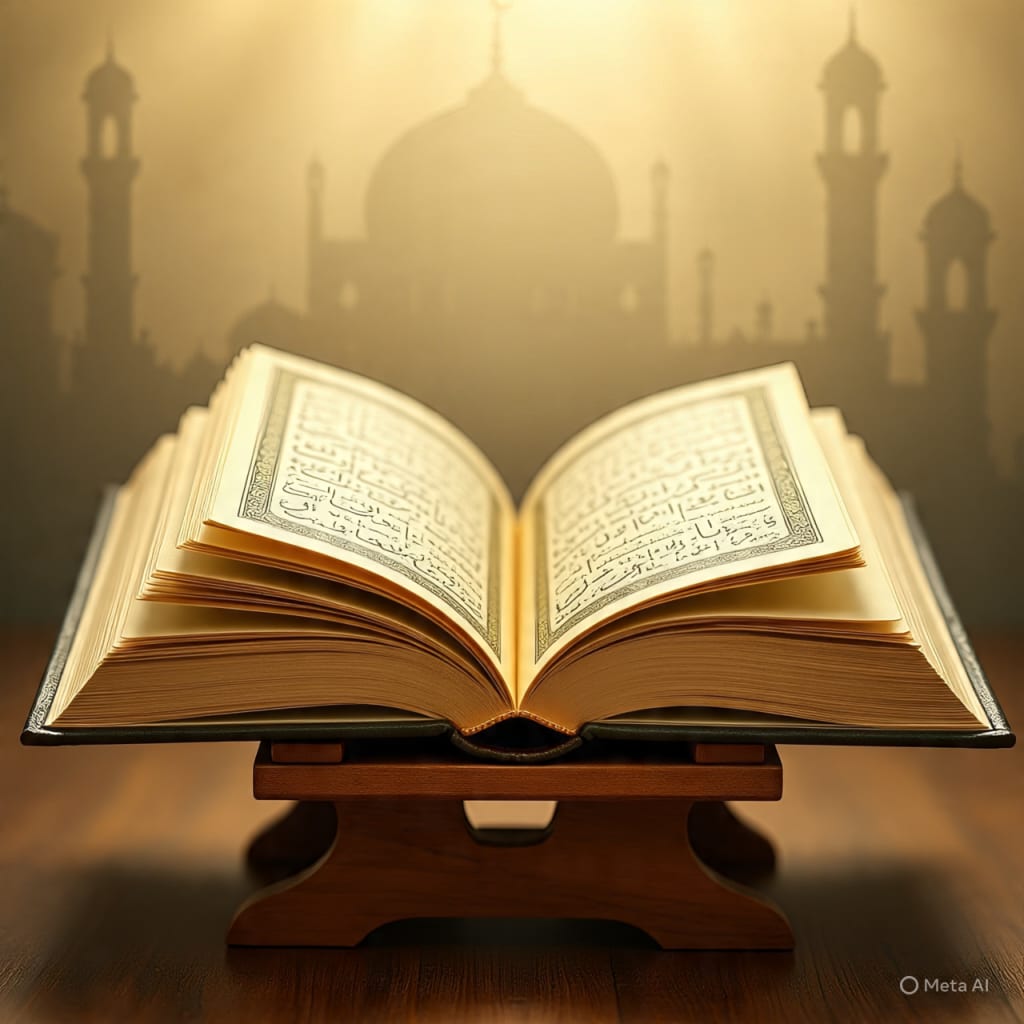
Everything You Need to Know About the Quran
The Quran is not just a book — it is the heart of Islam and the ultimate source of guidance for over a billion Muslims around the world. Revealed more than fourteen centuries ago, its words continue to inspire, challenge, and comfort people from all walks of life.
The word Quran means “recitation” in Arabic. This is important because the Quran was not simply written down like an ordinary book; it was revealed to Prophet Muhammad (peace be upon him) through the Angel Gabriel over a period of 23 years. Muslims believe that the Quran is the literal word of God (Allah in Arabic) — unchanged and preserved exactly as it was first revealed.
One of the remarkable features of the Quran is its language. Written in classical Arabic, its verses are known for their unmatched beauty, depth, and rhythm. Many who hear it recited describe its sound as calming and moving, even if they don’t understand Arabic. This is why Muslims recite the Quran in Arabic during prayers, regardless of their native language.
The Quran is divided into 114 chapters, called surahs, which vary in length. The longest chapter is Al-Baqarah (The Cow), and the shortest is Al-Kawthar (Abundance). Each surah is made up of verses called ayahs. The Quran covers a wide range of subjects — faith, law, morality, guidance for personal conduct, social justice, and even reflections on nature and the universe.
One of the most powerful aspects of the Quran is its emphasis on knowledge and reflection. It constantly invites the reader to think, question, and look for signs of God’s presence in the world. Verses about the stars, oceans, mountains, and even the human body show how faith and reason go hand in hand in Islam.
Another unique point is the Quran’s preservation. From the time of its revelation, it was memorized by Prophet Muhammad’s followers. This tradition continues today. Millions of Muslims around the world are Hafiz — people who have memorized the entire Quran by heart. This oral tradition, along with carefully written manuscripts, has kept the Quran unchanged for centuries.
The Quran also sets high moral standards for its followers. It emphasizes compassion, justice, honesty, and respect for others. It condemns arrogance, greed, and cruelty, while calling for charity, forgiveness, and patience. Many of the Quran’s verses are stories about past prophets, like Abraham, Moses, and Jesus (peace be upon them all), showing the shared roots of Islam, Christianity, and Judaism.
For Muslims, the Quran is more than something to read — it’s something to live by. Its teachings shape daily prayers, family life, social relations, and community laws. During the month of Ramadan, Muslims fast from dawn to dusk and often spend more time reading or listening to the Quran, seeking to strengthen their connection with God.
In modern times, the Quran continues to be studied by scholars and ordinary readers alike. Countless translations exist in many languages, although Muslims still recite it in Arabic for worship. Many people find that each time they return to its pages, they discover new meanings and insights, depending on their life experiences and challenges.
The Quran’s message is timeless and universal. It calls people to worship one God, live with integrity, care for creation, and treat each other with kindness and fairness. Whether someone is looking for spiritual comfort, moral guidance, or intellectual inspiration, they can find it in the Quran’s pages.
In a world that often feels divided and uncertain, the Quran reminds its readers of unity, purpose, and hope. It invites everyone — Muslims and non-Muslims alike — to explore its words with an open heart and a curious mind.
For those who want to start reading the Quran, it’s helpful to find a good translation with clear explanations (tafsir). Many Muslims recommend starting with shorter surahs to get a sense of the style and themes. Listening to recitations can also help appreciate its beauty and emotional power.
In the end, the Quran is more than ancient text — it’s a living guide that continues to light the way for millions of people seeking peace, purpose, and a deeper connection with the Divine.
About the Creator
Keep reading
More stories from SYED NUMAN and writers in Education and other communities.
Surah Al-Baqarah | Ayat 17–25
📖 Surah Al-Baqarah | Ayat 17–25 (3rd Ruku) 📍 3rd Ruku: Ayat 17–25 📜 Arabic + English Translation 17. مَثَلُهُمْ كَمَثَلِ الَّذِي اسْتَوْقَدَ نَارًا فَلَمَّا أَضَاءَتْ مَا حَوْلَهُ ذَهَبَ اللَّهُ بِنُورِهِمْ وَتَرَكَهُمْ فِي ظُلُمَاتٍ لَا يُبْصِرُونَ
By SYED NUMAN8 months ago in Education
What Causes the Rotten Egg Smell in Your Water?
This gas forms when sulfate-reducing bacteria interact with the magnesium or aluminum anode rod inside your water heater. The anode rod is a critical component designed to prevent tank corrosion by attracting corrosive elements in the water.
By Andrei Kaspera day ago in Education
Review of 'Man on the Run'
My wife and I saw Man on the Run, a nearly 2-hour documentary on Amazon Prime, about Wings, Paul McCartney's group that flew around the world from shortly after The Beatles broke up in early 1970 to shortly after John Lennon was murdered at the end of 1980, making a Beatles reunion forever impossible.
By Paul Levinson5 days ago in Beat


Comments
There are no comments for this story
Be the first to respond and start the conversation.