
Best AI Text to Image Tools for 2025: Ultimate Guide
Top AI Tools to Transform Text into Stunning Visuals in 2025

Best AI Text to Image Tools for 2025: Ultimate Guide
The world of artificial intelligence has seen a big change. New text-to-image generation technologies are changing the creative world. By 2025, the best AI image tools will make it easier for businesses, marketers, and artists to create amazing things.
This guide covers the top AI text-to-image tools that are changing visual content creation. You'll learn about DALL-E and Stable Diffusion, and their amazing features. Get ready to see how machine learning and AI are changing how we create and communicate.
Key Takeaways
Discover the top 10 AI text-to-image generation tools for 2025
Understand how AI-powered image creation works and the latest technological advancements
Explore the unique features, capabilities, and use cases of leading AI image-generation platforms
Learn practical strategies for leveraging these tools in business, marketing, and creative applications
Gain insights into the legal and ethical considerations surrounding AI-generated imagery
Understanding AI Text to Image Generation Technology
Artificial intelligence (AI) has changed how we make and use visual content. At the heart of this change are the advanced technologies behind AI text-to-image generation. These systems use neural networks, deep learning, and natural language processing. They turn text into stunning images.
How AI Image Generation Works
The journey starts with a text prompt. Neural networks then break down the text's meaning and context. They use deep learning to grasp what the text wants to show. This info helps create an image, often with generative adversarial networks (GANs) or diffusion models.
Key Technologies Behind AI Image Creation
Neural networks: These algorithms mimic the brain, helping AI learn and decide.
Deep learning: A part of machine learning that finds complex patterns in data.
Generative adversarial networks (GANs): Two neural networks compete to create and judge images, making them look real.
Diffusion models: A method that adds noise to an image and then reverses it to make new ones.
Natural language processing (NLP): AI that understands and makes human language, letting it respond to text prompts.
Evolution of Text-to-Image AI Systems
The field of text-to-image AI has grown fast, with each step forward expanding what's possible. From the first neural networks to the latest generative adversarial networks and diffusion models, the tech has gotten better. Now, it can make images that look very real and creative.
"The ability to transform language into vivid, high-quality images is a true testament to the power of AI and its potential to revolutionize the creative industries."
Top 10 Best and Trending AI Text to Images Generation Tools for 2025
In the fast-changing world of creative tech, AI tools for making images from text will shine in 2025. These AI art generators, image synthesis tools, and creative AI platforms are changing how we make visual content. They open new doors for businesses and people. Let's look at the top 10 AI text-to-image tools set to lead the market soon.
DALL-E 2: OpenAI's DALL-E 2 is a game-changer. It can make high-quality, real-looking images from text.
Midjourney: Midjourney is famous for its beautiful art. It uses smart language models and neural networks to turn text into stunning visual content creation.
Stable Diffusion: This open-source AI model is getting a lot of attention. It's known for its amazing image-making skills and making creative AI platforms more accessible.
Imagen: Google's Imagen is a powerful tool. It combines smart language understanding with advanced image-making, giving great results.
Parti: Anthropic's Parti is special. It can make many different and creative images from text, meeting a wide range of visual content creation needs.
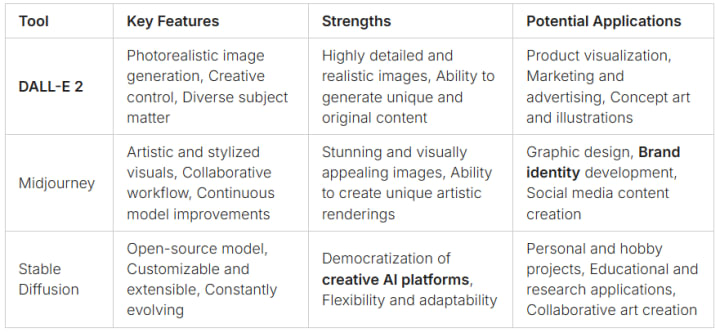
These are some of the best AI art generators and image synthesis tools for 2025. As AI keeps getting better, we'll see even more amazing creative AI platforms in the future.
DALL-E: Leading the AI Art Revolution
DALL-E, a tool from OpenAI, is changing the game in AI art. It's a leader in the creative AI world. It turns text into amazing images, exciting artists and the public.
DALL-E's Unique Features
DALL-E can understand complex text and make detailed images. It can create everything from real-looking scenes to wild, imaginative pictures. Its ability to mix styles and genres makes it perfect for many uses.
Pricing and Accessibility
DALL-E 2 is still in beta, but OpenAI is making it easy to use. They offer free and paid options. This helps both hobbyists and pros enjoy AI-generated art.
Best Use Cases for DALL-E
Product visualization and prototyping
Concept art and illustrations for books, games, and films
Social media content creation and brand asset development
Personalized gifts and custom artwork
Educational and research applications
OpenAI's DALL-E is changing the creative world. Its amazing abilities and growing access make it a key player. It's set to change how we tell stories and create art.
Midjourney: Creating Stunning Artistic Visuals
In the world of AI-powered art and digital illustration, Midjourney stands out. It has caught the eye of artists, designers, and creatives everywhere. This creative AI tool changes how we tell stories with pictures, making it easier to create amazing images.
Midjourney's method of making images is amazing. It uses smart algorithms and a huge database to create unique artworks. With just a text prompt, users can see their ideas come to life in ways they never thought possible.
What makes Midjourney special is its ability to mix reality, surrealism, and the extraordinary. It can create everything from dreamy landscapes to fantastical characters. The tool shows the amazing potential of AI-powered art to inspire and amaze.
Midjourney also has a lively community of users. People from all walks of life share their work, ideas, and explore new possibilities. This community spirit makes the platform a place of constant growth and creativity.
As creative AI tools keep getting better, Midjourney's leading role in AI-powered art is clear. It combines technology and human creativity, changing how we tell stories with pictures. It opens up new possibilities in digital art and illustration.

"Midjourney has opened up a whole new world of creative possibilities for me. The tool's ability to transform my ideas into stunning visuals is simply breathtaking."
Stable Diffusion: Open-Source Innovation
Stable Diffusion is changing the game in AI image generation. It's an open-source model that lets creators and developers make new things. This model is different because it's open-source. It has created a community of innovators who are exploring new things with open-source AI, diffusion models, and AI image synthesis.
Model Versions and Capabilities
Stable Diffusion has grown a lot since it first came out. It now can make a wide range of images with great detail and style. This shows how far it has come in AI image synthesis.
Installation and Setup Guide
Stable Diffusion is easy to use. Its open-source AI lets users set it up quickly. There are many guides and tutorials to help, making it simple for anyone to start using it.
Community and Resources
The community around Stable Diffusion is very active. It includes developers, artists, and fans. They work together, share ideas, and offer lots of resources. This helps everyone use the model to its fullest potential.
"Stable Diffusion has truly democratized the world of AI-powered image creation, giving everyone the ability to bring their creative visions to life."
Comparing Image Quality Across Different AI Tools
The world of AI text-to-image generation is growing fast. It's key to know the differences in quality and what each tool can do. When looking at AI image quality, things like visual fidelity, artistic style, and image resolution matter a lot. Let's dive into how some top AI tools compare on these comparison metrics.
DALL-E is a leader in this field, known for its detailed and visually faithful images. It understands text well and can capture small details. This makes it great for realistic and photorealistic images.
Midjourney, on the other hand, is all about artistic style. It creates images with a unique look, mixing surreal elements with artistic touches. This appeals to creatives and those who want to explore new visuals.
Stable Diffusion is known for its image resolution. It can make high-quality images that can be enlarged without losing quality. This makes it useful for many tasks, from creating content to designing.
AI Tool Visual Fidelity Artistic Style Image Resolution
DALL-E Excellent Good High
Midjourney Good Excellent High
Stable Diffusion Very Good Good Excellent
Knowing what each AI tool is good at helps you choose the right one for your needs. Whether you want realistic images, artistic flair, or high-resolution pictures, there's a tool for you. Each offers something unique to explore.

Practical Applications in Business and Marketing
AI text-to-image generation is changing the game for businesses and marketers. It opens up new ways to create content, develop brand assets, and boost marketing campaigns. These tools are making a big impact in the marketing world.
Content Creation Strategies
AI text-to-image generation is changing how we make content. It lets marketers quickly create high-quality images and illustrations from text prompts. This means businesses can make more content faster, without needing as many designers.
Brand Asset Development
Keeping a strong brand identity is key in today's market. AI tools help create brand assets like logos and product images. This ensures brands look consistent everywhere, making for a better customer experience.
Marketing Campaign Enhancement
Adding AI-generated visuals to marketing campaigns can make a big difference. It helps brands grab attention on social media and in ads. This leads to more engagement and better brand recall, helping businesses succeed.
Application Advantages Key Considerations
Content Creation
Streamlined production
Reduced design resources
Exploration of creative possibilities
Ensuring brand consistency
Maintaining high-quality standards
Compliance with legal and ethical guidelines
Brand Asset Development
Consistent brand identity
Personalized customer experience
Streamlined asset creation
Alignment with brand guidelines
Maintaining brand authenticity
Adaptation to different platforms and formats
Marketing Campaign Enhancement
Increased audience engagement
Improved brand recall
Greater marketing success
Integration with broader marketing strategy
Optimization for different channels and platforms
Compliance with advertising regulations
As businesses dive into AI in marketing, using visual content strategy, brand identity, and digital advertising will become even more important. By using AI text-to-image generation, companies can be more creative, efficient, and engaging. This will help them excel in digital advertising.
Legal and Ethical Considerations
The world is getting excited about AI tools that can turn text into images. But, we need to think about the legal and ethical sides of this. These tools bring up big questions about copyright issues, intellectual property rights, data privacy, and how to use AI right in creative fields.
One big problem is figuring out copyright laws. When an AI makes an image from a text prompt, it might step on someone else's rights. Artists, photographers, and illustrators need to watch out for their work. They should make sure their creations are not used without permission or payment.
Also, using AI images a lot makes us worry about data privacy. These systems use lots of images to learn, which could mean personal data is at risk. It's key to use AI in a way that respects people's rights and privacy.
To fix these issues, we need people in charge and lawmakers to work together. They should make rules that protect creators and users. Responsible AI use should be the main focus. This way, we can use these tools to help create new things and do it the right way.
Legal Consideration Ethical Concern
Copyright Issues AI Ethics
Intellectual Property Rights Data Privacy
Licensing and Permissions Responsible AI Use
"As AI-powered text-to-image tools continue to revolutionize the creative landscape, it is our collective responsibility to ensure that the legal and ethical implications are carefully considered and addressed."
Future Trends in AI Image Generation
AI image creation is changing fast, with new technologies and advancements on the horizon. These changes will deeply impact the creative world. They promise to bring about exciting shifts in how we make and use visual content.
Emerging Technologies
Generative adversarial networks (GANs) and diffusion models are making AI images more realistic and varied. Reinforcement learning and unsupervised learning are also being added. These will help AI systems better understand and mimic human creativity.
Predicted Developments
Soon, AI-made visuals will mix seamlessly with those created by humans. This will make it easier to customize and personalize images. Text-to-image tech will also improve, allowing for faster and more detailed visual creations.
Industry Impact Analysis
AI is set to change many industries, like marketing, advertising, entertainment, and e-commerce. It will help businesses make content faster and more personal. This will also level the playing field for individuals and small businesses, sparking new ideas and creativity.
FAQ
What is the difference between AI text-to-image generation and traditional image editing?
AI text-to-image generation uses advanced algorithms to create images from text. This is different from traditional image editing, which involves manually working with existing images.
How accurate and realistic are the images generated by AI text-to-image tools?
AI-generated images have gotten much better, with tools like DALL-E and Stable Diffusion making very realistic pictures. But, the quality can change based on the tool, the text prompt, and the AI's training data.
Can AI text-to-image tools be used for commercial purposes?
Yes, AI tools are now used for business, like making product pictures and marketing content. But, it's key to know the legal and ethical sides, like copyright and intellectual property.
How difficult is it to use AI text-to-image generation tools?
Using AI tools can be easy or hard, depending on the tool and your tech skills. Some, like DALL-E, are simple to use. Others, like Stable Diffusion, need more tech knowledge but offer more control.
What are the potential limitations or drawbacks of AI text-to-image generation?
AI tools have come a long way but still have limits. They might not always make perfect images or capture complex ideas. There are also ethical and legal issues, like misuse and data privacy.
About the Creator
Keep reading
More stories from Ismail Olaniyi MURAINA and writers in Education and other communities.
Revolutionizing Talent Acquisition: The Top AI-Powered Employee Generator for 2025.
Revolutionizing Talent Acquisition: The Top AI-Powered Employee Generator for 2025 Introduction In today's rapidly advancing technological landscape, artificial intelligence (AI) is revolutionizing industries and transforming traditional workflows. Among its most impactful applications is its role in reshaping talent acquisition. AI-driven hiring systems are paving the way for a future where identifying, evaluating, and even onboarding employees can be achieved with remarkable precision and efficiency. This article explores the concept of AI-powered hiring solutions, examining their potential benefits, challenges, and anticipated influence by 2025.
By Ismail Olaniyi MURAINAabout a year ago in Education
Dr. Richard Kannwischer on Christian Community in a Digital Age: Koinonia and the Ethics of Belonging
Dr. Richard Kannwischer is Senior Pastor of Peachtree Presbyterian Church and has served more than 25 years in pastoral ministry. He earned a Master of Divinity from Princeton Theological Seminary and a Doctor of Ministry from Fuller Theological Seminary. A gifted communicator, he is passionate about helping people see how the story of God speaks with clarity, depth, and relevance to everyday life. His preaching and writing blend theological rigor with storytelling, making complex truths accessible and engaging. Whether in the pulpit, on the page, or in conversation, he invites audiences into practical, life-giving Christian faith for seekers and believers.
By Scott Douglas Jacobsen3 days ago in Education
Where Wisdom Meets Action: The Deep Connection Between Culture, Education, and Service
In any thriving society, specific values act as the foundation for growth, unity, and identity. Among these, culture, higher education, and service stand out as essential pillars. While they may operate in different spheres, they are deeply connected by a shared purpose — to empower individuals and strengthen communities through knowledge, empathy, and tradition.
By Carmen Reid3 days ago in Education


Comments
There are no comments for this story
Be the first to respond and start the conversation.