
Bell Bicycle Helmets: A Legacy of Safety and Performance
Discover why Bell bicycle helmets have been a trusted brand among cyclists for decades

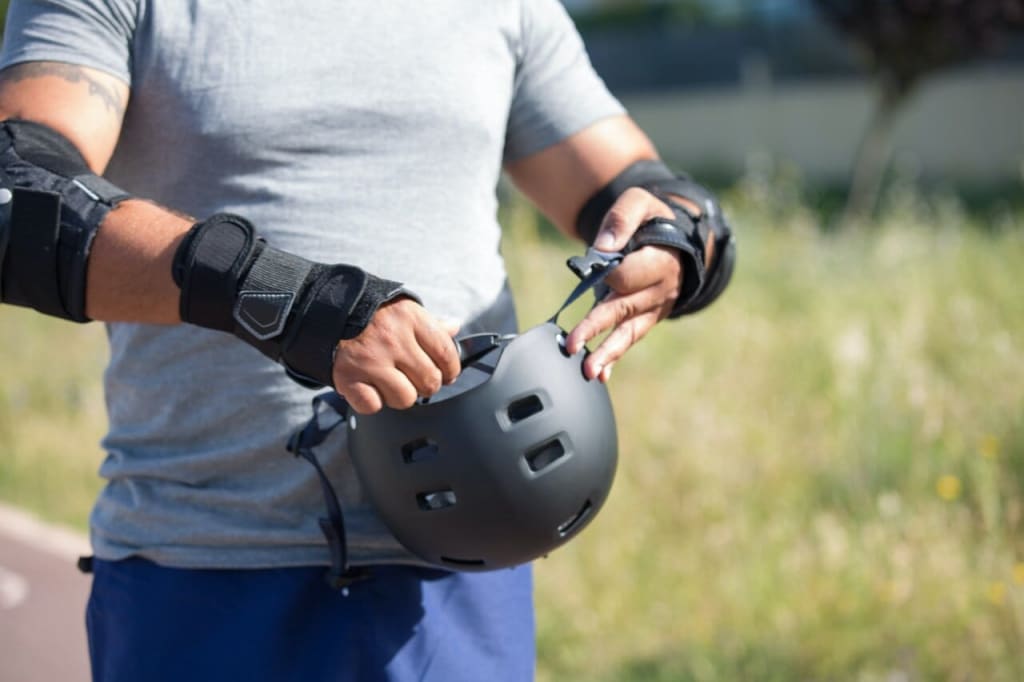
Bicycle helmets have come a long way since they were first introduced in the 1970s. The first helmets were bulky, uncomfortable, and provided little protection. But with advances in technology and design, helmets have become lighter, more comfortable, and more effective at protecting riders in the event of a crash. Bell Bicycle Helmets has been at the forefront of this evolution, consistently innovating to create helmets that balance safety, performance, and style.
Introduction: A Brief History of Bell Bicycle Helmets
Bell Bicycle Helmets was founded in 1954 by Roy Richter, a race car driver and innovator who saw a need for better head protection for motorcyclists. In the 1970s, Bell expanded into the bicycle market, and in 1975, they introduced the first-ever bicycle helmet with a hard shell.

Since then, Bell has continued to push the boundaries of helmet design, introducing new features like the first full-face mountain bike helmet, the first helmet with an adjustable fit system, and the first helmet specifically designed for women.
Bell's Commitment to Safety
At Bell, safety is always the top priority. The company's helmets are designed to meet or exceed safety standards set by organizations like the Consumer Product Safety Commission (CPSC) and the European Union's EN 1078 standard.
Bell's helmets are rigorously tested in the company's in-house testing lab, where they are subjected to impact tests, retention system tests, and more. Bell also works closely with independent testing agencies to ensure that their helmets provide the highest level of protection.
The Technology Behind Bell Helmets
Bell's helmets are designed to provide maximum protection with minimum weight and bulk. The company uses a variety of technologies to achieve this goal, including:
Fusion In-Mold Technology
Bell's Fusion In-Mold technology fuses the helmet's outer shell to the EPS foam liner, creating a lightweight, durable, and well-ventilated helmet.
MIPS Technology
MIPS (Multi-directional Impact Protection System) is a technology that is designed to reduce the rotational forces that can occur in a crash. Bell incorporates MIPS technology into many of its helmets, including its high-end road and mountain bike helmets.
Overbrow Ventilation
Bell's Overbrow Ventilation system directs cool air over the rider's head, while exhaust ports at the back of the helmet allow hot air to escape.
Bell Helmets for Every Rider
Bell offers a wide range of helmets to suit every rider, from casual commuters to serious road and mountain bikers. Some of the company's most popular helmets include:
Bell Z20 MIPS
The Bell Z20 MIPS is a high-end road helmet that features Bell's MIPS technology, a lightweight design, and excellent ventilation.
Bell 4Forty MIPS
The Bell 4Forty MIPS is a mountain bike helmet that provides excellent protection, comfort, and ventilation at a more affordable price point.
Bell Stratus MIPS
The Bell Stratus MIPS is a versatile road helmet that is designed for a wide range of riding conditions. It features Bell's Fusion In-Mold technology, MIPS technology, and a comfortable fit system.
Bell's Legacy of Innovation
Over the past 60 years, Bell Bicycle Helmets has established itself as a leader in helmet design and innovation. From the first-ever hard-shell bicycle helmet to the latest MIPS-equipped road and mountain bike helmets, Bell has consistently pushed the boundaries of what a helmet can be.
Conclusion
Bell Bicycle Helmets has a rich legacy of innovation and commitment to safety. With their focus on lightweight, well-ventilated helmets that provide maximum protection, Bell continues to be a top choice for riders of all levels.
FAQs
1. Are Bell Bicycle Helmets only for serious cyclists?
No, Bell offers a wide range of helmets to suit every rider, from casual commuters to serious road and mountain bikers.
2. How do I know if a Bell helmet will fit me?
Bell offers a variety of fit systems, including adjustable straps and dial systems, to ensure a comfortable and secure fit. You can also consult their sizing guide to find the right size helmet for your head.
3. Can I use a Bell bicycle helmet for other activities, like skateboarding or skiing?
While Bell's helmets are designed for cycling, some models may be suitable for other activities. However, it's important to check the helmet's specifications to ensure that it meets the safety standards for the activity you'll be participating in.
4. How often should I replace my Bell bicycle helmet?
Bell recommends replacing your helmet every three to five years, or sooner if it has been damaged in a crash or if the fit system is no longer functioning properly.
5. Are Bell bicycle helmets expensive?
Bell offers a range of helmets at different price points, from affordable options to high-end models with advanced features like MIPS technology. No matter what your budget, you can find a Bell helmet that will provide the protection you need.
About the Creator
Hopika Inc
Our sophisticated collection of women's clothing delivers an uncompromising blend of fashion, comfort and functionality. Look stylish wherever the day takes you from a casual outing at the cafe to a night out with friends or shopping spree!
Keep reading
More stories from Hopika Inc and writers in Education and other communities.
Giro Bicycle Helmets: Why They're a Top Choice
Cycling is an exciting and exhilarating activity that offers numerous benefits to its participants. However, it is crucial to prioritize safety when cycling, and one of the most important pieces of equipment for this purpose is a reliable bicycle helmet. With so many options on the market, it can be challenging to choose the right one. In this article, we will explore the top reasons why Giro Bicycle Helmets are a popular and excellent choice for cyclists.
By Hopika Inc3 years ago in Education
72% of Americans Rely on a Secondary Income
The idea of having a single job that comfortably supports your lifestyle used to be the norm in the United States. For decades, many Americans expected that a full-time job would cover housing, food, healthcare, savings, and even leisure. Today, however, that reality is changing.
By AnthonyBTV4 days ago in Education
Natural Ways to Clear Blackheads and Whiteheads
Blackheads and whiteheads are very common skin problems that affect people of all ages. They usually appear on the nose, chin, forehead, and sometimes on the cheeks. These small bumps form when the pores of the skin become clogged with oil, dead skin cells, and dirt. Blackheads appear dark because the clogged material inside the pore reacts with air and becomes oxidized, while whiteheads remain covered by skin, giving them a white or flesh-colored appearance.
By DigitalAddi6 days ago in Education
My First Time Skiing and I Got Lost, Alone, in the French Alps
Looking back, I can trace some of my life’s biggest adventures to a simple action from my sister. She’d introduced me to Tommy (a very long time ago), a colleague of hers, who had overshared his penchant for Italian-looking women, and I ticked that box.
By Chantal Christie Weissabout 16 hours ago in Humans




Comments
There are no comments for this story
Be the first to respond and start the conversation.