
Banned Mobile Apps in Pakistan: An In-depth Look at the Restrictions
This article discusses the topic of mobile applications that have been banned in Pakistan. It provides an overview of some notable banned apps, including TikTok, Bigo Live, PUBG Mobile, Telegram, WhatsApp VoIP services, and Shein. The article explores the reasons behind the bans, such as concerns over objectionable content, national security, addiction, and consumer protection. It also highlights the debates surrounding censorship, freedom of expression, and the role of the government in regulating digital platforms. The article suggests the need for a balanced approach that considers cultural values, national security, and individual freedoms. It emphasizes the importance of transparent policies, education, industry cooperation, and responsible app usage to create a safe and thriving digital landscape in Pakistan.

Introduction
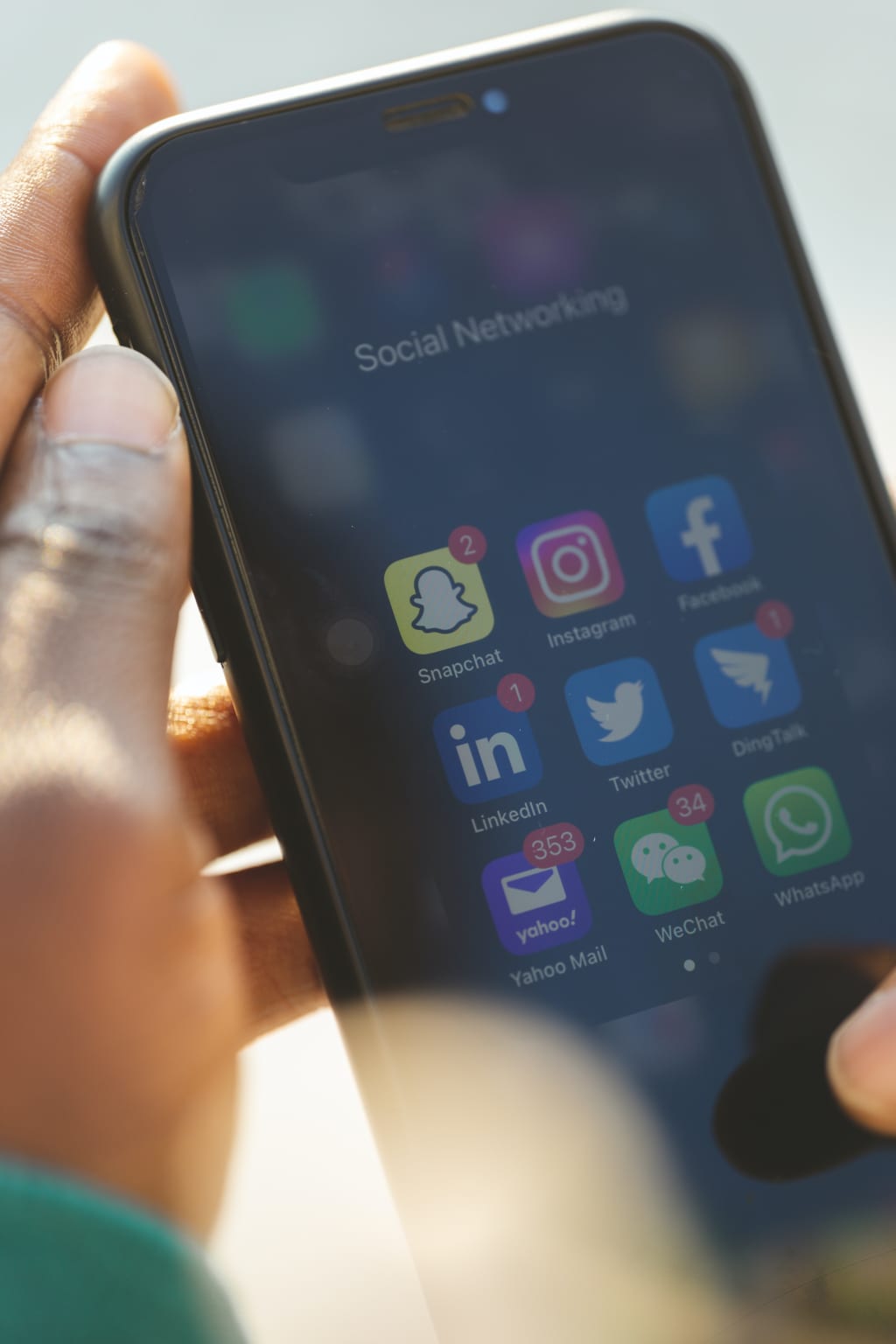
In recent years, the Pakistani government has implemented bans on several mobile applications, citing concerns related to national security, societal values, and data privacy. These bans have sparked intense debates regarding freedom of expression, censorship, and the role of technology in shaping the nation's digital landscape. This article aims to provide an in-depth look at some of the notable apps that have been banned in Pakistan.
TikTok
One of the most widely known banned apps in Pakistan is TikTok, a popular social media platform for short-form videos. The ban on TikTok was primarily imposed due to the presence of objectionable content, including explicit or immoral material, which was deemed contrary to Pakistani cultural values. While the ban was temporary, it highlighted the ongoing struggle between digital platforms and cultural norms.
Bigo Live
Bigo Live, a live streaming app that allows users to interact and share content, also faced a ban in Pakistan. The primary reason cited for the ban was the presence of explicit and immoral content. Pakistani authorities believed that the app was contributing to the spread of indecent and obscene material, necessitating the ban to protect societal norms and moral values.
PUBG Mobile
PlayerUnknown's Battlegrounds (PUBG) Mobile, an immensely popular online multiplayer game, faced a temporary ban in Pakistan due to concerns over addiction and its potential negative impact on the mental health of young users. The ban was lifted after the game's developers took measures to address these concerns by implementing time restrictions and incorporating safety features.
Telegram
Telegram, a messaging app known for its privacy and encryption features, has faced intermittent bans in Pakistan. The app's banning has been linked to concerns over its use by extremist groups and for spreading malicious content. However, the bans have been met with criticism, as Telegram also serves as a vital communication tool for businesses, journalists, and activists who rely on its secure channels.
WhatsApp VoIP Services
At one point, the Pakistani government imposed restrictions on voice over internet protocol (VoIP) services, including WhatsApp calls. The reasoning behind this ban was to regulate communication and ensure security, but it received significant backlash. The ban was later lifted, highlighting the complexities of balancing security concerns with the public's demand for accessible and convenient communication platforms.
Shein
Shein, a popular online fashion retailer, faced a temporary ban in Pakistan due to concerns over the importation of substandard and low-quality products. Pakistani authorities aimed to protect local industries and ensure that consumers were not exposed to potentially harmful or counterfeit goods. However, the ban was subsequently lifted, and Shein was allowed to resume its operations in the country.
Conclusion
The banning of mobile applications in Pakistan reflects the ongoing struggle to balance freedom of expression, cultural values, national security, and consumer protection. While concerns over explicit or objectionable content, privacy, and national security are valid, the bans have also sparked debates regarding censorship and the role of the government in regulating digital platforms.
It is crucial to find a middle ground where authorities address concerns through dialogues with app developers, user communities, and relevant stakeholders. Striking a balance between cultural values, national security, and technological advancements is essential to ensure a thriving digital landscape in Pakistan.
Moving forward, it is imperative for the Pakistani government to adopt transparent policies, encourage self-regulation, and promote responsible digital citizenship. Collaborative efforts between government bodies, technology companies, and civil society can help create a safer online environment while preserving individual freedoms and fostering innovation in the digital space.Furthermore, instead of outright bans, alternative approaches such as content moderation, age restrictions, and user reporting mechanisms can be implemented to address concerns over objectionable content. This way, users can still enjoy the benefits of these platforms while ensuring compliance with local cultural values and norms.
Additionally, education and awareness programs can play a vital role in promoting responsible app usage and digital literacy among Pakistani citizens. By equipping users with the necessary knowledge and skills, they can make informed decisions about the content they consume and contribute to a safer online environment.
It is worth noting that banning an app does not completely eliminate the underlying issues it may present. Instead, it often leads to the emergence of alternative platforms that may be harder to regulate. Therefore, a comprehensive approach that combines regulation, user education, and industry cooperation is essential to address the challenges posed by banned apps effectively.
It is also crucial to consider the economic impact of banning certain apps. Some of the banned applications had a significant user base and served as platforms for businesses and content creators. By imposing bans, there is a risk of stifling innovation, limiting economic opportunities, and hampering Pakistan's digital economy. Authorities should carefully assess the consequences of app bans and explore alternatives that strike a balance between regulation and economic growth.
In conclusion, the banning of mobile applications in Pakistan reflects the complex interplay between cultural values, national security, and technological advancements. While concerns over objectionable content, privacy, and national security are important, it is equally vital to safeguard freedom of expression and promote responsible app usage.
A holistic approach that combines regulation, dialogue with app developers, user education, and industry collaboration can help address these challenges effectively. By promoting digital literacy, fostering innovation, and adopting transparent policies, Pakistan can navigate the complexities of the digital landscape while upholding its cultural values and ensuring the well-being of its citizens.
The path forward lies in finding a balance that protects societal interests while embracing the transformative power of technology. By harnessing the potential of digital platforms, Pakistan can thrive in the digital age and create a vibrant, inclusive, and secure digital ecosystem for its citizens.
About the Creator
AHMED BUTT
Hi I am a freelancer I really love to write articles and stories and on my profile I will be posting all the work I have done so far.
Keep reading
More stories from AHMED BUTT and writers in Education and other communities.
The Enchanting Tapestry of India: Exploring the Endless Beauty
Introduction: India, a land of rich cultural heritage, breathtaking landscapes, and diverse traditions, stands as a testament to the extraordinary beauty that can be found within a single country. From the snow-capped peaks of the Himalayas in the north to the sun-kissed beaches of the Indian Ocean in the south, India encompasses a myriad of sights, sounds, and flavors that captivate the senses. Let us embark on a journey through the vast canvas of India's beauty, exploring its architectural marvels, natural wonders, spiritual treasures, and vibrant cultural tapestry.
By AHMED BUTT3 years ago in Education
The Insurrection Act
Introduction The Insurrection Act is a law in the United States of America. It allows the President of the United States to use the military to deal with serious problems inside the country. This law is very important because it can be used when there is a rebellion, violence, or lawlessness that cannot be controlled by normal police forces. The act has been in use for many years and is sometimes a topic of debate because it gives the President significant power.
By Farhan Sayed3 days ago in Education
Top 7 Life Changing Books to Read in 2026
In 2026, readers are not just looking for entertainment—they want books that change the way they think, feel, and see the world. With endless content available online, only a few books continue to stand out, remain widely read, and influence conversations across generations. These are the books people keep recommending, searching for, and returning to year after year.
By Waqar Khan4 days ago in Education



Comments
There are no comments for this story
Be the first to respond and start the conversation.