
Balancing Competition and Collaboration in Educational Settings
Fostering Growth Through Healthy Challenges and Teamwork

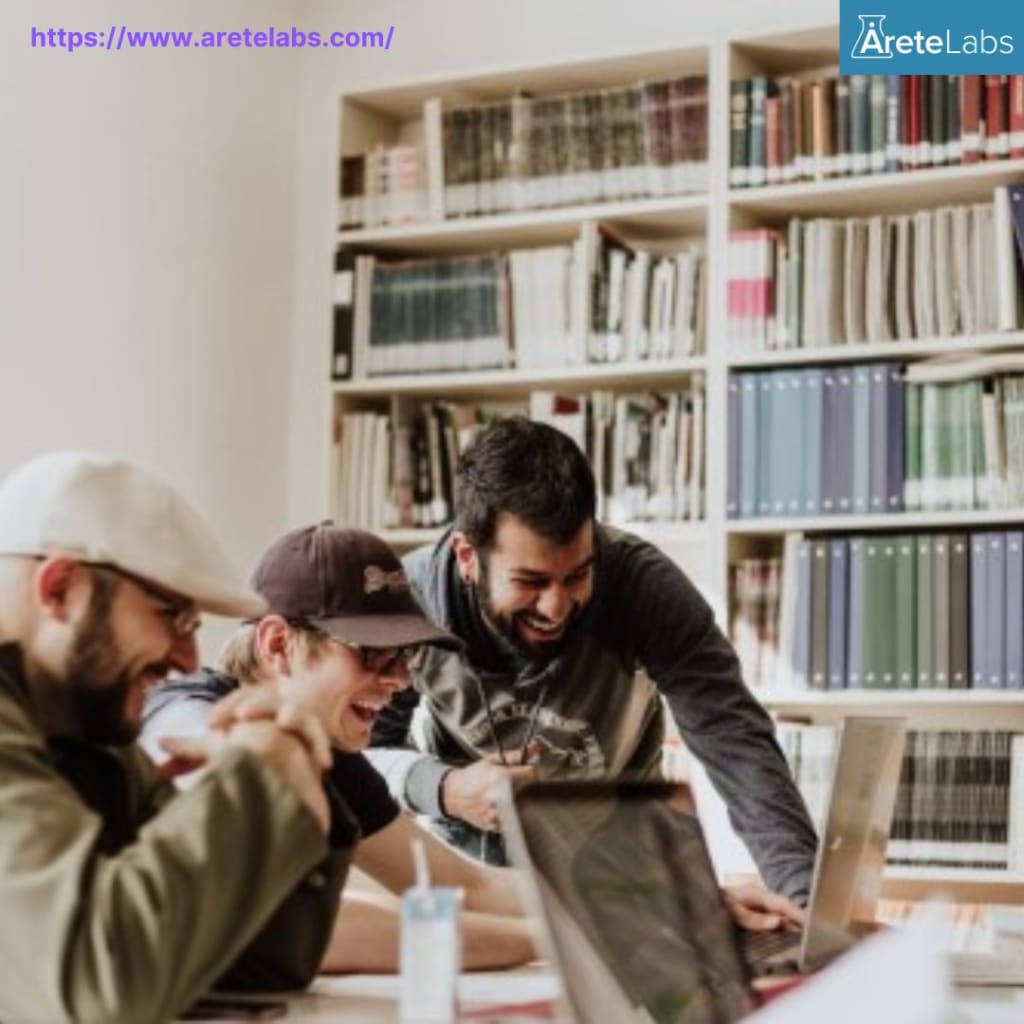
In today's rapidly evolving educational landscape, finding the right balance between competition and collaboration is essential for fostering a productive learning environment. While competition can motivate students to excel, collaboration nurtures teamwork, communication, and problem-solving skills. Striking a balance between these two approaches is key to ensuring students develop holistically and gain skills that extend beyond the classroom.
The Role of Competition in Learning
Competition has long been used as a tool to drive excellence in education. Whether through spelling bees, science fairs, or an online math competition, students are encouraged to push their limits and perform their best. Healthy competition helps build resilience, enhances critical thinking, and instills a sense of achievement. Students who participate in competitive academic settings often develop a strong work ethic, the ability to manage pressure, and the motivation to continually improve their performance.
However, excessive competition can sometimes lead to stress, anxiety, and a fear of failure. When students feel pressured to outperform their peers rather than focus on self-improvement, it can negatively impact their confidence and mental well-being. In some cases, extreme competition may also lead to unhealthy rivalries rather than constructive growth. This is why competition must be framed in a way that encourages self-improvement and fair play rather than mere comparison.
The Power of Collaboration in Education
Collaboration, on the other hand, emphasizes teamwork and collective problem-solving. Group projects, peer tutoring, and interactive discussions encourage students to learn from one another, fostering empathy and strong interpersonal skills. When students work together, they develop a deeper understanding of concepts and gain confidence in expressing their ideas.
Collaborative learning environments also prepare students for real-world situations where teamwork is essential. In professional settings, employees must often collaborate with colleagues from different backgrounds to solve complex problems. By developing strong collaboration skills early on, students are better equipped to work effectively in diverse teams, which is a highly valuable skill in today’s interconnected world.
One of the greatest benefits of collaboration is that it provides opportunities for students to support one another’s learning. Those who grasp a concept quickly can help their peers who may need additional guidance, fostering a culture of mentorship and mutual growth. Collaboration encourages students to think beyond their own success and consider the success of their peers as well.
Merging Competition and Collaboration
The most effective educational environments integrate both competition and collaboration. Here’s how educators can strike the right balance:
Team-Based Competitions: Activities like an online math competition can be structured to include team-based problem-solving, encouraging students to combine their strengths and support each other. When students compete in teams, they experience both the thrill of competition and the benefits of collaboration.
Gamified Learning: Platforms that integrate leaderboards and achievement badges can create a competitive spirit while maintaining a cooperative atmosphere. This approach motivates students to reach milestones while also encouraging them to work together to solve problems.
Collaborative Challenges: Assigning group tasks where students must collectively find solutions before competing against other teams fosters both collaboration and competitive drive. For example, a classroom could be divided into groups that solve different parts of a larger problem before presenting their solutions in a competition-style format.
Encouraging Peer Feedback: By allowing students to evaluate and support each other’s learning, they can gain insights that enhance both personal growth and teamwork skills. Constructive feedback from peers can often be just as valuable as teacher input, fostering a more interactive and engaging learning environment.
Project-Based Competitions: Combining collaborative projects with a competitive element can be highly effective. For instance, students working on science fair projects could collaborate in small groups to develop their research and present it in a competitive setting, ensuring that teamwork and innovation are equally rewarded.
The Role of Educators in Maintaining the Balance
Teachers and educators play a crucial role in ensuring that competition and collaboration are balanced effectively. Here are some ways they can facilitate this balance:
Creating a Supportive Environment: Educators should ensure that competition remains friendly and constructive. Emphasizing personal growth and improvement over winning can help students stay motivated without feeling undue pressure.
Encouraging a Growth Mindset: Teaching students that failure is a stepping stone to success can reduce anxiety related to competition. When students view challenges as opportunities for learning rather than threats to their self-worth, they are more likely to embrace both competition and collaboration.
Recognizing Different Strengths: Not all students thrive in competitive environments, and some may feel more comfortable in collaborative settings. Providing a variety of learning experiences allows students to find what works best for them while still encouraging participation in both competition and teamwork.
Offering Diverse Learning Opportunities: Incorporating different types of competitive and collaborative activities into the curriculum can help students develop a well-rounded skill set. This approach ensures that students experience both the motivational aspects of competition and the cooperative benefits of collaboration.
Summary
A well-balanced approach to competition and collaboration prepares students for success in both academic and real-world scenarios. Educators must create opportunities where students can challenge themselves while also learning the value of teamwork. By incorporating strategies such as team-based learning and interactive online math competitions, schools can ensure that students develop into well-rounded individuals ready to face the challenges of the future.
When competition and collaboration are balanced, students not only strive to achieve their personal best but also learn the importance of working together toward common goals. Whether in academic settings, professional environments, or everyday life, the ability to navigate both competition and teamwork is a skill that will serve students well throughout their lives.
About the Creator
💥 The Spark of Challenge
🕯️ The Spark of Frustration and the Beginning from the Arch In an old basement, redolent with the beauty of maps of failed attempts, sat Salem, five years old, filled with rejection letters. Salem had no capital, no connections, not even enough light to read, only a computer screen illuminating his weary face. The world was tempting him to give up, but in that moment, he decided, fueling his bitter frustration with a refusal to bring down a real ceiling himself, to become an unquenchable spark. This wasn't just a new business venture; it was a cry of rejection against everyone who told him, "You can't do it."
By Mohamed Hamdya day ago in Education
Guide to Canada's Six Essential Learning Skills for Students
Written by Kiki Devano In Canada, there are the six essential skills that are encouraged for students to develop. These learning skills have a formidable impact on student learning and will help them achieve further success. This is a guide to aid students in successfully developing the essential skills.
By Kiki Devano7 days ago in Education



Comments
There are no comments for this story
Be the first to respond and start the conversation.