
Authenticity on Social Media: The Power of Being Real in a Filtered World
The Real Deal: Why Authenticity is the New Currency on Social Media
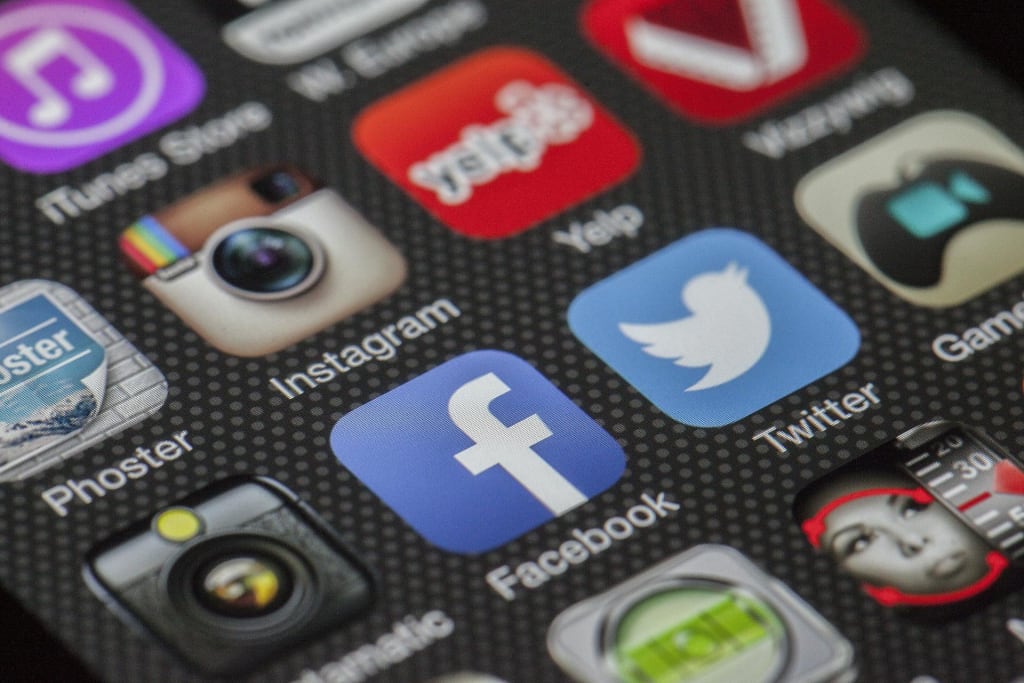
In a world saturated with carefully curated feeds and polished selfies, authenticity on social media has become an elusive and coveted trait. As platforms like Instagram, TikTok, and Facebook have grown, so has the pressure to present a perfect, idyllic lifestyle, even if it doesn’t match reality. However, the trend is shifting. More and more users, from influencers to everyday people, are embracing a new approach to social media—one that values vulnerability, honesty, and self-expression over perfection. This article dives into the significance of authenticity on social media, exploring why it matters, how it’s achieved, and the profound impact it can have on our online and offline lives.
1. The Rise of Filtered Perfection
For years, social media has driven the demand for idealized images and flawless portrayals of life. Influencers have amassed massive followings by showcasing picture-perfect aesthetics, luxurious vacations, and seemingly endless wardrobes. However, this polished content, while aspirational, has led to a disconnect between what people see online and their lived experiences.
The result? Users feel pressure to conform to these standards, and as a result, they may present only the most glamorous parts of their lives. Many people struggle to feel adequate, fearing that their “real” selves aren’t enough. This pursuit of perfection can lead to social media fatigue and mental health issues like anxiety, depression, and feelings of isolation, as users feel they’re constantly falling short.
2. Why Authenticity Matters
Authenticity is the antidote to the superficiality that often dominates social media. When people share their real experiences, challenges, and imperfections, they create a genuine connection with their audience. Authentic content resonates because it feels relatable, human, and refreshing. This authenticity fosters trust, as people feel they’re getting a true glimpse into someone’s life rather than a manufactured version of it.
For influencers and brands, authenticity can also drive engagement and loyalty. Audiences are more likely to trust those who are open and honest, which makes them more willing to engage with their content. Authenticity brings social media back to its roots: sharing real-life stories and connecting with others in meaningful ways.
3. The "Real vs. Highlight Reel" Phenomenon
One of the main challenges to authenticity is the “highlight reel” effect, where users share only the best parts of their lives. This selective sharing creates an illusion of perfection, making the struggles and ordinary moments of life seem out of place on social media. However, when users show both the highs and the lows, they break down these unrealistic expectations.
Platforms like Instagram and TikTok have seen a rise in users sharing “real vs. highlight reel” content, showcasing both their idealized photos and the “behind-the-scenes” moments that don’t make the cut. These posts highlight that nobody’s life is perfect and that even influencers have messy, complicated realities. This trend has been popular because it adds depth and relatability to social media, reminding users that everyone has struggles, insecurities, and bad days.
4. Vulnerability as a Tool for Connection
One of the most effective ways to foster authenticity on social media is through vulnerability. Vulnerable content allows people to connect on a deeper level, as it often speaks to universal experiences like failure, heartbreak, and self-doubt. Influencers who share personal stories about mental health struggles, body positivity, or overcoming obstacles create a space for their followers to feel seen and understood.
When someone opens up about their insecurities or challenges, it invites others to do the same. Vulnerability encourages a culture of acceptance and empathy, allowing users to engage in meaningful conversations. This shift not only helps to reduce the stigma around certain topics but also strengthens the sense of community on social media.
5. How to Create Authentic Content: Tips for Users and Influencers
Creating authentic content doesn’t mean abandoning creativity or aesthetics. It’s about balancing quality with honesty and showing up as a real person rather than a carefully constructed persona. Here are some tips for fostering authenticity on social media:
Share the Process, Not Just the Results: People appreciate seeing the effort and mistakes behind a successful outcome. Sharing behind-the-scenes moments, works-in-progress, or candid shots makes content feel more genuine.
Be Transparent with Partnerships: If you’re an influencer, be open about brand partnerships. Clearly labeling ads and sponsored content builds trust and transparency with your audience.
Engage with Your Followers: Instead of simply posting content, engage with your followers in comments and direct messages. Responding thoughtfully and showing interest in their perspectives fosters a sense of community and respect.
Embrace Imperfections: Posting a photo without heavy editing or sharing an unfiltered video can be refreshing. It shows that you’re comfortable with your authentic self, which resonates with others.
Share Personal Stories: While you don’t have to divulge your deepest secrets, sharing personal experiences that feel meaningful or relevant can help others connect with you on a deeper level.
6. Authenticity and Mental Health
The shift toward authenticity on social media has significant mental health benefits. By seeing real, unfiltered content, users feel less pressure to conform to unrealistic standards and are more likely to accept themselves as they are. Authenticity promotes self-compassion and can reduce the harmful effects of comparison culture.
Studies have shown that people who use social media mindfully and focus on genuine connections experience fewer mental health issues than those who use it solely to compare themselves with others. When people embrace their real selves online, they create a supportive environment that helps reduce feelings of inadequacy and promotes overall well-being.
7. The Role of Platforms in Promoting Authenticity
Social media platforms are recognizing the importance of authenticity and have started implementing features to encourage more genuine interactions. Instagram, for instance, experimented with hiding likes in some regions to reduce social comparison and encourage users to post what they love rather than what they think will gain approval. TikTok’s algorithm, which rewards engagement over perfection, has also promoted more authentic content, with users posting unpolished videos that resonate with audiences.
Additionally, some platforms now allow users to flag overly edited content or images that may distort reality, aiming to create a safer space for younger users in particular. Platforms have a responsibility to shape social media culture, and these changes reflect an increasing demand for transparency, safety, and authenticity in online spaces.
8. Authenticity in Influencer and Brand Marketing
As consumers become more discerning, brands and influencers who prioritize authenticity stand out. Audiences are more likely to support products and personalities that align with their values and feel genuinely connected to the people and causes they follow.
Brands that work with influencers who truly believe in their products, and who encourage open and honest conversations, build stronger customer loyalty. For example, an influencer who shares both the benefits and the drawbacks of a product is more likely to be trusted than one who only shares glowing reviews. Authenticity in marketing leads to genuine relationships with followers, transforming them into loyal customers rather than passive viewers.
9. The Future of Authenticity on Social Media
The demand for authenticity is reshaping social media and encouraging users to shift from perfectly curated posts to more real, relatable content. As platforms continue to evolve, authenticity may become the new norm. More people are realizing that a “perfect” social media presence is neither attainable nor desirable, and instead, they’re valuing honesty, transparency, and connection.
Looking ahead, social media is likely to be more inclusive, diverse, and accepting of imperfections. Authenticity will remain at the forefront, encouraging users to embrace their true selves and build deeper, more meaningful connections.
Conclusion: Embracing the Power of Authenticity
Authenticity on social media is more than a trend; it’s a movement towards self-acceptance and meaningful engagement. In a world that often feels artificial, being real is a refreshing change. Whether you’re an influencer, a brand, or simply someone looking to connect with friends and family, choosing to be authentic helps to create a healthier, more empathetic online environment.
As we continue to navigate the complexities of social media, embracing authenticity allows us to cultivate spaces where people feel valued for who they truly are. In the end, being real in a world of filters may be the most powerful way to connect and inspire.
About the Creator
Keep reading
More stories from Sanjay Sanjay and writers in Education and other communities.
The Ethical Dilemmas of AI in Medicine: Can Machines Make Life-and-Death Decisions?
In the age of rapid technological advancements, Artificial Intelligence (AI) has made significant strides in almost every sector, from finance to entertainment. But its most transformative impact may be on medicine, where AI-powered tools are being integrated into diagnostics, patient care, and even surgical procedures. As promising as these developments are, they also raise profound ethical questions: Should machines be entrusted with making life-and-death decisions? And what are the implications for patients, doctors, and society at large?
By Sanjay Sanjayabout a year ago in Education
Rewiring Wellness: How Neuroscience Is Redefining the Mind-Body Connection in Therapy
In recent years, neuroscience has reshaped the understanding of how emotional and physical processes interact, offering therapists new insight into healing. The mind-body connection, once viewed as more philosophical than scientific, now has clear biological explanations. Studies show that thoughts, emotions, and physical sensations are deeply intertwined, influencing everything from stress responses to overall wellbeing. This knowledge is transforming modern therapeutic practices by providing clinicians with evidence-based tools that support integrated healing.
By Debra Bailey PHD3 days ago in Education
Effective Risk Management Techniques to Protect and Grow Your Financial Future
Risk management techniques are essential for protecting your financial future in a world full of change. Income can shift, expenses can rise, and unexpected events can appear at any time. Without preparation, even minor disruptions can lead to serious financial trouble. With the right approach, setbacks become manageable, and recovery becomes faster.
By Michael Petruskaabout 16 hours ago in Education
The CEO of Everything
They say "jack of all trades, master of none," but they forgot to mention the part where the jack of all trades is also the camera woman, the makeup artist, and the person currently yelling at a tangled Wii microphone cable in a her own bathroom while recording herself singing and trying to make it look realistic and professional. (As professional as you can make it with nothing but a cell phone camera and a mic that doesn't work)
By Sara Wilson4 days ago in Humans



Comments
There are no comments for this story
Be the first to respond and start the conversation.