
Austria travel guide
Unraveling the Charms of Vienna, Salzburg, Innsbruck, and Beyond
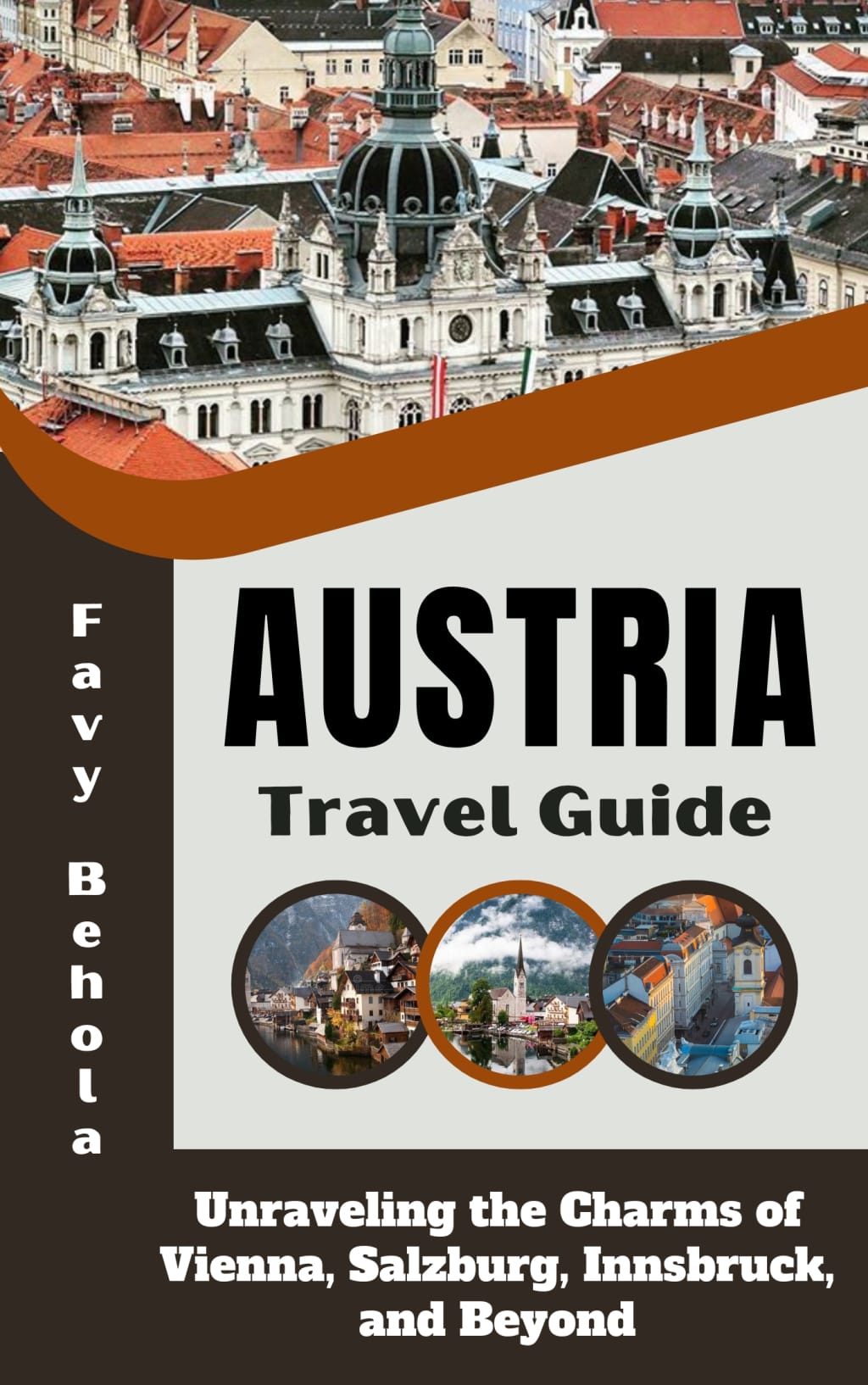
Introduction; Welcome to Austria.
Greetings, Adventurers! Welcome to Austria, a stunningly beautiful country with enthralling charm! It is my pleasure to welcome you and present you to this magical location as a professional travel guide author.
Prepare to start a voyage that will enthrall you. Austria, which is tucked away in the center of Europe, is home to a patchwork of natural features, including stunning mountain peaks, rolling hills, lovely valleys, and glistening lakes. The nation's natural marvels provide a picturesque setting for exploration and adventure.
Get lost in Austria's rich history and cultural treasures. Discover the architectural wonders of Vienna, the imperial capital, where vast palaces, lavish opera theaters, and beautiful churches tell stories of an earlier time. Let the melodic sounds of classical music flood your spirit as you stroll through Salzburg's lovely alleys, where Mozart was born. Experience the Hallstatt fairytale-like grandeur and the baroque magnificence of Graz, both of which are UNESCO World Heritage sites that will take you back in time.
Outdoor lovers will find nirvana in Austria. Put on your hiking boots, explore the scenic Austrian Alps routes, and take in the breathtaking views and clean mountain air at every turn. The nation changes into a snowy paradise in the winter, providing possibilities for world-class skiing and snowboarding for all levels of experience. Ice climbing and ice skating excursions are made possible by the glittering glaciers and frozen lakes.
Enjoy Austria's gastronomic pleasures to the fullest. Enjoy a piece of Sachertorte, a decadent chocolate cake that will please even the pickiest sweet palate, or indulge in the flavors of Wiener Schnitzel, a typical breaded and pan-fried veal cutlet. Don't forget to accompany your meals with a glass of Austrian wine from the famed vineyards that dot the region.
Austria is known for its friendly and welcoming people as well as its beautiful scenery and delectable cuisine. You'll be welcomed with open arms into a world of conviviality and authenticity since Austrians take pleasure in their traditions. Take part in the joyous festivities of festivals and cultural events, strike up pleasant chats with the people, and make lifelong memories.
Every tourist may find something to enjoy in Austria, whether they are looking for the tranquility of nature, the beauty of history, or the excitement of adventure. Therefore, gather your belongings, unleash your wanderlust, and let Austria's alluring appeal lead you on a memorable voyage.
Yours in exploration,
Favy Behola.
Chapter 1: Vienna
Overview of Vienna;
Austria's capital city, Vienna, is a thriving center of culture that skillfully combines the past and present. Any visitor should make the trip to Vienna because of its magnificent architecture, illustrious musical history, and top-notch museums.
The Schönbrunn castle, an exquisite Baroque castle that served as the Habsburg dynasty's summer home, is one of Vienna's most recognizable sights. A classical performance may be seen in the palace's Orangery, and visitors may also explore the magnificent apartments and wander around the exquisite grounds.
The birthplace of some of the finest composers in history, such as Mozart, Beethoven, and Strauss, Vienna is a musical lover's dream. Visitors may see performances of the highest caliber at the city's
several concert halls and opera venues, including the Vienna State Opera.
Vienna has an outstanding array of galleries and museums that will enthrall art lovers. European art is extensively represented at the Kunsthistorisches Museum, while Austrian art, notably Gustav Klimt's well-known picture "The Kiss," is on display in the Belvedere Palace.
Vienna's food culture is certainly worthwhile visiting, with its lovely coffee shops dishing up delectable pastries and its classic wine taverns providing a taste of regional cuisine. Indulge in a piece of Sachertorte, a rich chocolate cake, or try the breaded and fried veal cutlet known as Wiener Schnitzel.
Every tourist may find something to enjoy in Vienna, whether they have a passion for the past, music, art, or just soaking in the quaint ambiance. Vienna is a place you won't soon forget because of
its magnificent architecture, cultural riches, and gastronomic pleasures.
Top Tourists Attractions In Vienna;
Museums & Art Galleries;
The lively art scene and extensive cultural history of Vienna, Austria's capital city, are well known. In my capacity as an authority on travel guides, I'm thrilled to share with you the best museums and galleries in Vienna that any lover of the arts or intrepid traveler should not miss.
The Kunsthistorisches Museum, often known as the Museum of Art History, is a wonderful museum on Ringstrasse that displays a sizable collection of works of art and relics from history. Work by renowned painters including Vermeer, Rembrandt, and Raphael is part of its remarkable collection. It is a veritable feast for the eyes thanks to the museum's enormous architecture and lavish furnishings.
Belvedere castle: The Belvedere Museum, which houses an outstanding collection of Austrian art, is located inside this baroque castle complex. Gustav Klimt's well-known artwork "The Kiss" is the museum's centerpiece. Stunning gardens and a sweeping perspective of Vienna can be found at the palace, which is a masterpiece in and of itself.
Albertina: The Albertina, a museum that has a sizable collection of prints, drawings, and pictures, is a treasure trove of art located in the center of Vienna. The museum features a broad variety of creative styles and eras, including works by Michelangelo and Dürer as well as modern art.
Leopold Museum: The Leopold Museum, which is situated in the MuseumsQuartier, is devoted to Austrian art from the late 19th and early 20th centuries. It has a substantial collection of Gustav Klimt and Egon Schiele pieces, offering an interesting look into the Vienna art scene of the time.
Museum of Applied Arts (MAK): For individuals with an interest in design and applied arts, a trip to the MAK is essential. This museum exhibits a broad variety of items, such as furniture, textiles, and ceramics, from many creative movements. Temporary exhibits on modern architecture and design are also held at the MAK.
Vienna Secession: The Vienna Secession building is a well-known landmark in the city and was founded in 1897 by Gustav Klimt and other artists. It has a gallery where modern artists' works are seen, and it also offers shows that provoke discussion and question accepted ideas about art.
The biggest museum of modern and contemporary art in Central Europe is MUMOK, which is located in the MuseumsQuartier. A thorough overview of contemporary art trends is provided by its enormous collection, which includes pieces by artists including Andy Warhol, Pablo Picasso, and Roy Lichtenstein.
Jewish Museum Vienna: This museum examines the significant past and contributions of the Jewish population in Vienna. It includes a variety of exhibitions, including artifacts, images, and first-person accounts that provide visitors a thorough picture of Jewish life and culture in the city.
The best galleries and museums in Vienna provide a wide variety of cultural experiences, from historical classics to modern art. These places will definitely create a lasting effect on your visit, whether you are an experienced art fan or are just interested in Vienna's cultural legacy.
Historical Landmarks;
Many historical sites may be found in Vienna, a city rich in history, and they provide a window into the city's illustrious past. I'm excited to share with you the top historical sites in Vienna that any tourist
who like history or are just inquisitive about the city should definitely check out since they are must-sees.
A UNESCO World Heritage site is Schönbrunn Palace, a majestic palace with breathtaking Baroque architecture and exquisitely planted grounds. It gives a wonderful window into imperial life since it was formerly the summer home of the Habsburg emperors. Don't forget to see the Gloriette, a hilltop building with sweeping views of Vienna, while you explore the magnificent apartments and wander around the expansive grounds.
Hofburg Palace: The Hofburg Palace stands as a monument to Vienna's extensive imperial past. Over a period of more than six centuries, it housed the Habsburg dynasty. The Imperial Apartments, Sisi Museum, and Silver Collection, which are all located inside the palace complex, serve as examples of the luxury and splendor of the Austrian Empire.
St. Stephen's Cathedral: As one of Vienna's most recognizable structures, the cathedral dominates the city's skyline. The complex tiled roof of this Gothic masterpiece and the South Tower, which provides sweeping vistas of Vienna, are among its outstanding architectural features. Enter the building to savor the opulent interior and stunning stained glass windows.
Belvedere Palace: In addition to having an art museum, Belvedere Palace is an important historical site. It was designed as a vacation home for Prince Eugene of Savoy and is a superb example of Baroque design. Upper and Lower Belvedere, two palaces that are joined by beautiful grounds, make up the palace complex. Admire the splendor of the palaces as you wander casually around the grounds.
Vienna State Opera: The Vienna State Opera is a renowned opera theater that is both a historical monument and one of the top opera houses in the world. Architecture and music enthusiasts alike should attend because of its imposing exterior and sumptuous interiors. To understand its fascinating history and importance in Vienna's cultural landscape, attend a performance or join a tour.
Rathaus (Vienna City Hall): The Rathaus is a stunning neo-Gothic structure that houses the city of Vienna's administration. It is a well-known landmark in the city due to its striking architecture and lovely façade. Christmastime sees a magnificent Christmas market emerge on the plaza in front of the Rathaus, adding to its allure.
Prater Park: The Wiener Riesenrad Ferris wheel, one of Vienna's most recognizable attractions, can be found in Prater Park, which serves as both a leisure area and a tourist destination. Since it was built in 1897, this famous Ferris wheel has represented Vienna. Experience a piece of Viennese history while taking a trip on the Riesenrad to take in the city's panoramic vistas.
Karlskirche (St. Charles' Church): Karlskirche is an exquisite Baroque church distinguished by its imposing dome and delicate murals. Observe the exquisitely painted interior or climb the dome for a stunning panorama of Vienna. Another benefit of stopping at the chapel when seeing the city is its proximity to Karlsplatz.
A fascinating tour through the city's rich history and cultural legacy may be had by visiting these top historical sites in Vienna. Whether you are enthralled by imperial palaces, architectural wonders, or important cultural organizations, these places will definitely make a lasting effect on your visit. Dear travelers, I hope you have fun experiencing Vienna's historical marvels!
Parks and Gardens;
As an authority on travel guides, I'm thrilled to share with you the best parks and gardens in Vienna that you must visit if you enjoy the outdoors
or are seeking a tranquil retreat from the hustle and bustle of the city.
The gardens of Schönbrunn Palace, which are next to the majestic Schönbrunn Palace, are a wonderful haven of peace. They provide a gorgeous backdrop for an easy walk or a tranquil picnic with their well-kept lawns, vibrant flower beds, and spectacular fountains. Don't overlook the Gloriette, a building perched on a hilltop that provides sweeping views of the palace and the area.
Stadtpark: The Stadtpark is a well-liked hangout for both residents and visitors and is situated in the center of Vienna. It is the ideal location to relax and have a tranquil stroll. It is well-known for its stunning scenery and various monuments, including the well-known Johann Strauss memorial. The park furthermore offers a variety of performances and activities throughout the summer.
Prater Park: Prater Park is not only where you can find the famous Wiener Riesenrad Ferris wheel, but it also has a lot of open green areas for outdoor recreation. It is a preferred location for families and anyone looking for recreational pleasure because of its expansive meadows, shaded trees, and amusement park activities. This energetic park is a great place to picnic or rent a bike.
Volksgarten: This wonderfully designed park, which is located behind the Hofburg Palace, provides a tranquil respite from the activity of the city. It is a refuge for lovers of flowers and is famous for its magnificent rose garden, which blooms from May to October. Admire the ancient sculptures and monuments that are dotted all around the park as you wander gently through it.
Augarten: The Vienna Boys' Choir and the Augarten Porcelain Manufactory are located in this lovely park, in addition to being a nice place to stroll. It's the ideal location for a peaceful day with its vast green areas, tree-lined streets, and attractive ponds. The history of Vienna's renowned porcelain industry may be discovered at the Porcelain Museum.
Burggarten: The Burggarten is a tiny, quaint park with well-kept grass and vibrant flower beds that is situated behind the Hofburg Palace. Along with the Mozart Memorial, it is also the location of the Palm House, a stunning glasshouse that holds a wide range of tropical plants. You may take a leisurely stroll or go for a quiet area to unwind and take in the peaceful environment.
Danube Island: A must-visit location for individuals looking for outdoor recreation and water sports is the Danube Island. Cycling, running, swimming, rowing, and cycling are just a few of the activities you may enjoy on this long, thin island in the midst of the Danube River. Enjoy a picnic by the river, take in the stunning natural scenery, or unwind on the sandy beaches.
Lainzer Tiergarten: The Lainzer Tiergarten is a sizable natural reserve on the outskirts of Vienna that provides a unique fusion of animals and beautiful scenery. It is a haven for lovers of nature and outdoor enthusiasts with its large network of hiking paths. Observe the local fauna, which includes deer, boars, and other bird species.
You can unwind, rejuvenate, and connect with nature in Vienna's best parks and gardens, which provide a pleasant respite from the city's bustling metropolitan setting. These locations provide a choice of experiences for any tourist, whether you like a leisurely walk, a picnic with a view, or taking part in outdoor sports, have fun touring Vienna's parks and gardens.
Chapter 2: Salzburg
Overview of Salzburg;
Salzburg, the fourth-largest city in Austria, is a mesmerizing location that skillfully combines history, culture, and scenic beauty. This charming city, which is nestled in the Alps' foothills, is well-known for its magnificent Baroque buildings, extensive musical history, and spectacular natural surroundings. Salzburg provides tourists with a wonderfully enchanted experience thanks to its picturesque streets, restored old town, and panoramic vistas.
The Altstadt, a UNESCO World Heritage site and Salzburg's historic core, is the city's beating heart. Visitors may tour well-known sights like the Salzburg Cathedral and the Hohensalzburg Fortress, one of the biggest medieval castles in Europe, while meandering through quaint cobblestone alleyways and marveling at the exquisite façade of Baroque houses. Wolfgang Amadeus Mozart was born in Salzburg, which is also a musical city with a plethora of concert halls, opera houses, and music festivals showcasing its rich musical tradition.
Beyond its cultural gems, Salzburg is surrounded by stunning natural scenery. There are several chances for leisurely walks and boat trips along the Salzach River, which flows through the city. The Salzkammergut area, which is just outside of Salzburg, entices visitors with its pristine lakes, undulating hills, and lovely towns. With activities like hiking, riding, and boating, it is an outdoor enthusiast's heaven.
In summary, Salzburg is a city that captures the attention of everyone who visits. It provides a distinctive combination of activities that will make an impact because of its rich history, cultural legacy, and breathtaking natural settings. Salzburg is a place you shouldn't miss, whether you're taking a walk through its quaint alleys, getting lost in its musical tradition, or discovering the surrounding mountain scenery.
Top Tourists Attractions In Salzburg;
Mozart and Music Heritage;
The famed composer Wolfgang Amadeus Mozart was born in Salzburg, Austria, which has gained worldwide acclaim. The city has a wealth of musical history and has a wide variety of attractions for music lovers. Here are some must-see sights and things to do, whether you're a fan of classical music or you just want to learn more about Salzburg's musical heritage.
1. Mozart's Birthplace: Commence your excursion by going to the Getreidegasse home where Mozart was born. His childhood instruments, unique compositions, and personal items are shown in this museum, which offers a fascinating look into his early years.
2. Explore the Mozart Residence to complete your tour of the composer's former home, where he spent many years with his family. The museum is home to a sizable collection of artifacts, such as genuine manuscripts, letters, and pictures, which provide a thorough insight of Mozart's life and work.
3. Salzburg Marionette Theater: Take advantage of the chance to see the enchanted performances at the Salzburg Marionette Theater. The theater, which is renowned for its superb puppetry, often presents Mozart's operas, including "The Magic Flute" and "Don Giovanni," giving viewers a distinctive and enthralling experience.
4. Salzburg Festival: If you're in Salzburg in the summer, be sure to attend the famed Salzburg Festival. This yearly festival honors Mozart's music and presents a variety of operas, concerts, and theatrical plays in addition to other classical events.
5. Mirabell Palace and Gardens: Take a walk around the lovely Mirabell Gardens, the site of Mozart's early performances as a child prodigy. The gardens provide a peaceful environment and often serve as a background for musical events, making them the perfect place to unwind and take in the city's musical atmosphere.
6. Hohensalzburg Fortress: Although it is unrelated to Mozart, each traveler to Salzburg must pay a visit to the Hohensalzburg Fortress. In addition to hosting several concerts throughout the year, the castle offers breathtaking panoramic views of the city and performs Mozart compositions.
7. Guided tour of the shooting sites for "The Sound of Music" is a must-do for lovers of the classic film. The trip visits well-known locations from the movie, such as the Mirabell Gardens, Leopoldskron Palace, and Nonnberg Abbey, where Maria von Trapp was a nun.
8. Attending a Mozart dinner concert is a great way to fully experience Salzburg's musical legacy. A sumptuous supper and live performances of Mozart's most well-known works are combined in these classy events to provide a spectacular evening of classical music and gastronomic treats.
As some attractions and events may change throughout the year, always double-check their dates and availability in advance. Tourists may explore the world of one of music's greatest composers and learn about the city's rich musical traditions thanks to Salzburg's Mozart heritage and musical legacy, which offers a unique experience.
Festivals and Events;
Salzburg provides a broad choice of festivals and events to suit every taste, whether you are a music lover, an art fanatic, or just wanting to immerse yourself in the city's cultural environment. The following festivals and events in Salzburg are must-attends:
One of the most well-known classical music events in the world is the Salzburg Festival. It has a varied schedule of opera, theatrical, and classical music acts and is held every year in July and August. The festival is a must-attend event for every cultural aficionado since it draws renowned artists and performers from all over the world.
Mozart Week: In late January and early February, the life and works of Mozart are honored during the Mozart Week. A number of performances, recitals, and seminars featuring Mozart's music are part of this event. It provides a special chance to listen to his works at the place where he was born.
Salzburg Easter Festival: The Salzburg Easter Festival presents opera, symphonic concerts, chamber music, and other classical music events
over the Easter season. Richard Wagner's compositions are the main emphasis of the festival, which features world-famous conductors and opera singers.
Sommerszene: For those who like modern art, this event should not be missed. It takes place in June and involves avant-garde dance, theater, and musical acts. In addition to challenging the limits of conventional art forms, the festival offers a stage for cutting-edge innovation by bringing together regional and worldwide artists.
Salzburg Jazz Festival: Don't miss the Salzburg Jazz Festival if you like jazz music. It takes place in October and features a number of concerts and jam sessions with top-tier jazz performers. The festival offers jazz fans a wonderful experience by showcasing a wide variety of jazz genres, from conventional to avant-garde.
Salzburg Advent Singing: Take part in this classic Christmas music event to get into the holiday mood. It takes place in the weeks before Christmas and comprises choirs, orchestras, and soloists playing joyful music in the cathedrals and concert venues of the city. The celebration, which is a favorite of both residents and tourists, embodies the enchantment of the festive season.
Salzburg Whitsun Festival: The Salzburg Whitsun Festival marks the Pentecost weekend. This festival emphasizes chamber music and has a number of performances by well-known players. Attendees get a unique musical experience because of the program's frequent inclusion of obscure and uncommon pieces.
Salzburg Cultural Days: These celebrations of the city's rich cultural legacy are held in October. The festival offers a variety of events, such as guided tours, performances, and exhibits. It offers a thorough and interesting way to delve into Salzburg's art, history, and architecture.
These are just a handful of the many festivals and events that take place all year long in Salzburg. Before making travel arrangements, be careful to confirm the precise dates and timetables of each event. Due to Salzburg's thriving cultural scene, visitors can always find something fascinating to enjoy.
Fascinating Outdoor Activities In Salzburg;
Salzburg, Austria, is a great destination for outdoor enthusiasts since it offers both a vibrant cultural experience and a beautiful natural setting. Salzburg has a lot to offer, whether you like riding, hiking, or just being outdoors. These exciting outdoor pursuits are available in Salzburg:
1. Untersberg Mountain: Go on an adventure at the Untersberg Mountain, which is close to the city.
A variety of hiking paths accessible to people of all fitness levels are offered by this gorgeous mountain. Take a cable car up to the peak for breath-taking views over the city and the nearby Alpine landscape.
2. Salzach River: The Salzach River runs right through the middle of Salzburg and offers a stunning background for outdoor sports. A guided kayak or canoe excursion is a great way to see the city from a new angle, as does renting a bike and exploring the beautiful riverfront walkways.
3. Hellbrunn Palace and Gardens: Explore the beautiful 17th-century palace and its surrounding expansive parklands at Hellbrunn Palace and Gardens. Wander around the well kept gardens, take a stroll along the walking trails, and take in a picnic in the serene setting.
4. Mirabell Palace Park: The Mirabell Palace Park is one more lovely outdoor area in Salzburg. It provides a calm location for a leisurely stroll or a tranquil picnic and is well known for its exquisitely designed gardens, fountains, and statues.
5. Gaisberg Mountain: Visit the Gaisberg Mountain to get a bird's-eye perspective of Salzburg. A route that's perfect for cyclists can be found at this well-known location, along with hiking and bike paths. You'll have magnificent views of the city and the surrounding mountains when you reach the peak.
6. Salzkammergut Lake District: A must-see destination for nature enthusiasts, the Salzkammergut Lake District is just a short drive from Salzburg. The lakes Wolfgangsee, Mondsee, and Fuschlsee are just a few of the many lakes in this area. On the beaches of these pristine lakes, you may take a boat trip, go swimming, or just unwind.
7. Hallein Salt Mine: Discover the intriguing Hallein Salt Mine, which can be found not far from Salzburg. Learn about the history of salt mining in the area by taking a tour guide down below the underground mine. The tour includes a journey on a miner's train and a boat ride over a subterranean salt lake.
8. Berchtesgaden National Park: Head over to Germany and see this magnificent natural area, which has spectacular mountain vistas, spotless lakes, and lush woods. A renowned lake with crystal-clear water, Königssee, is reachable by a climb and is encircled by mighty mountains.
These are just a handful of the many outdoor activities Salzburg has to offer. Outdoor adventurers of all stripes will be enthralled by Salzburg's stunning surroundings, whether they love bicycling, hiking, or visiting natural sites. For an unforgettable outdoor experience, don't forget to check the weather and prepare appropriately.
Chapter 3: Innsbruck
Overview of Innsbruck;
Innsbruck welcomes you with a stunning background of towering peaks, including the well-known Nordkette mountain range. A pleasant contrast that is both aesthetically pleasing and culturally engaging is produced by the city's distinctive fusion of imperial majesty and modern architecture.
Ski and snowboard fans will find Innsbruck to be a utopia because of the city's outstanding winter sports facilities. Skiers of all levels will find superb slopes in the close-by resorts of Igls, Seefeld, and Stubai Glacier, guaranteeing an exhilarating experience for both novices and seasoned pros. Innsbruck has everything for everyone looking for a snowy adventure, from the heart-pounding downhill courses to the tranquil cross-country paths.
Innsbruck, nevertheless, offers more than simply a winter paradise. The city provides a variety of things to do and see that may be enjoyed all year round. Explore the Altstadt, a lovely medieval old town with winding cobblestone alleyways, vibrant facades, and wonderful cafés, at your own pace. Explore the lavish Hofburg Palace and be in awe of its gorgeous architecture and royal artifacts. It was once the center of the Habsburgs' authority.
Visit the famous Tyrolean State Museum Ferdinandeum for a full cultural immersion, where you can explore the area's rich history, art, and culture. Don't forget to pay a visit to the Golden Roof, a famous architectural marvel that has come to represent Innsbruck and is covered in glittering golden tiles.
Innsbruck is a haven for those who love the outdoors. The nearby Alps are home to several hiking and mountain bike paths that provide breathtaking views and possibilities for outdoor adventure. You can take in the expansive vistas of the city and the Alpine scenery beyond as the stunning Nordkette Cable Car whisks you to dizzying heights.
Also worth mentioning are the gastronomic treats Innsbruck has to offer. Try some of the substantial mountain delicacies from Tyrolean cuisine, including speck (cured ham), käsespätzle, and delectable strudels. Enjoy the genuine flavors of the area by serving your meal with a glass of locally made beer or a great Austrian wine.
Innsbruck is the perfect destination for couples looking for a romantic weekend or adventure seekers, history buffs, nature lovers, or all of the above. Let the allure of this enchanted city make a lasting impression on your vacation memories as you immerse yourself in the alpine splendor and breathe in the crisp mountain air. With an extraordinary experience that will have you wishing for more, Innsbruck is ready to welcome you with open arms.
Top Attractions In Innsbruck:
Alpine Adventures;
Whether you're an adrenaline addict looking for exhilarating adventures or a nature lover looking for peace, Innsbruck offers something for you. Discover the treasures that await you by traveling with us as we tour Alpine Adventures in Innsbruck.
1. Skiing and snowboarding: Innsbruck has world-class ski resorts that draw skiers and snowboarders from all over the globe. The city has hosted the Winter Olympics, a tribute to its top-notch ski facilities. Ski slopes for skiers of all abilities may be found on the Patscherkofel and Nordkette mountains. You'll find the ideal terrain to navigate the fluffy snow, whether you're a novice or an experienced pro.
2. Mountaineering & Hiking: Innsbruck has a vast network of hiking paths for those of all skill levels who like to explore the alpine terrain on foot. A voyage through verdant meadows, deep woods, and craggy peaks awaits you. Lace up your boots. With breathtaking views and climbing chances, the Stubai Valley and Karwendel Nature Park are especially well-liked vacation spots. Don't pass up the opportunity to climb the difficult Seven Summits of Innsbruck, a group of peaks that encircle the city.
3. Paragliding and Hang Gliding: Innsbruck offers paragliding and hang gliding excursions that let you experience the thrill of soaring over the valleys and mountains. Fly through the air while taking in breath-blowing panoramic views of the surroundings. Even novices may feel entirely secure while experiencing the excitement of these sports when accompanied by knowledgeable instructors.
4. Mountain biking: Innsbruck is a haven for lovers of the sport. It gives cyclists of all skill levels an amazing experience with its vast network of trails, which range from simple trails to difficult downhill courses. Adrenaline seekers looking for jumps, drops, and rapid descents must visit the Bikepark Innsbruck, which is situated in the Muttereralm neighborhood.
5. Granite climbing and via ferrata: Try your climbing prowess on Innsbruck's steep granite cliffs. For both novices and experienced, the area has a variety of climbing spots. Try via ferrata, an exciting sport that combines hiking and climbing, if you're seeking for a distinctive experience. You will climb stunning routes and exposed rock faces while safely fastened to steel cables and soaking in unrivaled vistas.
6. White Water Rafting and Canyoning: For those who like the water, Innsbruck offers the chance to explore uncharted gorges and ford wild rivers. You can paddle over thrilling rapids while taking in the stunning alpine surroundings on white water rafting experiences. The activity of canyoning, on the other hand, entails making a descent into a small gorge, rappelling down a waterfall, and jumping into a pool of crystal-clear water.
The capital of the Austrian Alps, Innsbruck, is an adventure playground that appeals to the daring visitor. The city provides a wide variety of exhilarating adventures, from skiing down immaculate slopes to paragliding in the air. Alternately, go close to nature by hiking, mountain biking, or climbing via ferrata, and discover the alpine region's secret treasures. Innsbruck ensures an amazing trip into the heart of the Alps, whether you're looking for an adrenaline rush or a tranquil vacation. Create lifelong experiences by organizing your trip, packing your spirit of adventure, and getting ready to go.
Cultural Sites and Museums;
Innsbruck, located in the Austrian Alps, is a mesmerizing location that skillfully combines breathtaking natural beauty with an extensive cultural history. The history, art, and customs of the area are shown in a wealth of cultural attractions and museums in this attractive city. Innsbruck offers enough to pique the curiosity of every tourist, from stunning imperial buildings to fascinating museums. Join me as I take you to some of Innsbruck's most important museums and cultural attractions.
1. Imperial Palace (Hofburg): The Imperial Palace, also known as the Hofburg, is an architectural marvel from the 15th century and a reminder of Innsbruck's regal past. The palace, which used to be the Habsburg family's home, is now a museum that gives visitors a look at the lavish way of life of the Austrian monarchs. Explore the expansive rooms, beautiful paintings, and imperial quarters that are furnished with elaborate tapestries, vintage furniture, and magnificent chandeliers.
2. Ambras Castle: Perched on a hilltop with a panoramic view of Innsbruck, Ambras Castle is a Renaissance treasure that houses a noteworthy collection of artwork and antiquities. The 16th-century castle, which was constructed by Archduke Ferdinand II, is well known for its Chamber of Art and oddities, which has a special collection of treasures including armor, portraits, and oddities from all over the globe. Don't overlook the magnificent Spanish Hall, which is renowned for its extraordinary ceiling paintings and Renaissance architecture.
3. Tyrolean Folk Art Museum: The Tyrolean Folk Art Museum is a must-visit if you want to learn more about Tyrolean culture and tradition. This museum provides a wonderful look into the regional folk art, clothes, handicrafts, and way of life. It is housed in a number of old buildings. Wander around the many displays, which include ornately carved wooden furniture, Tyrolean pottery, and a sizable collection of traditional attire.
4. Museum of Tyrolean Provincial legacy: The Museum of Tyrolean Provincial Heritage, housed in a former Franciscan monastery, is devoted to preserving and presenting Tyrol's cultural legacy. Explore the museum's large collection, which includes religious artwork, archaeological objects, historical records, and exhibits that explore the folklore and rural customs of the area. Highlights include the magnificently restored cloister and the expansive vistas from the monastery garden.
5. Golden Roof Museum: The Golden Roof Museum is a fully comprehensive experience into the history of the city and the reign of Emperor Maximilian I, and it is situated in the center of Innsbruck's ancient old town. The Golden Roof balcony, which has 2,657 gilded copper tiles, gave the museum its name. Visitors may explore the displays within that include works of art, historical artifacts, and multimedia presentations that illuminate Maximilian I's significant rule and the thriving cultural landscape of the period.
6. Bergisel Ski Jump and Museum: A fascinating location for sports aficionados, the Bergisel Ski Jump and Museum is a living example of Innsbruck's passion for winter sports. Innsbruck and the surrounding Alps may be seen in amazing detail from the contemporary ski jump tower. Discover the origins of ski jumping, see the ski jumpers in action, and explore Innsbruck's Olympic past by visiting the museum.
With its beautiful fusion of history, art, and customs, Innsbruck's cultural attractions and museums let visitors get a greater appreciation of this alluring city. Innsbruck offers a wide variety of things to see and do, whether you're interested in winter sports, historical treasures, folk art, or royal palaces. Innsbruck has a rich cultural legacy, so immerse yourself in it by visiting its fascinating buildings and museums, which will take you back in time and transport you to the city's exciting past.
Chapter 4: Graz
Overview of Graz;
Graz, an energetic city in Austria, successfully combines its rich past with modernity. Graz, home to more than 300,000 people, has a vibrant and varied cultural environment. With its spectacular architecture, including the recognizable Schlossberg hill and clock tower, its well-preserved Old Town, a UNESCO World Heritage site, mesmerizes tourists. The city is also well-known for its cutting-edge modern art and design, which is represented in the futuristic Kunsthaus Graz museum. The vibrant street markets and cafés in Graz, Austria, which offers a variety of traditional and foreign foods, create a welcoming environment. Explore the adjacent Styrian region, which is renowned for its gorgeous vistas and wineries, if you're a nature enthusiast.
Top Attractions In Graz:
UNESCO World Heritage Sites;
Several UNESCO World legacy Sites may be found in Graz, the second-largest city in Austria, which highlights the country's extensive cultural and architectural legacy. The Historic Center of Graz and Schloss Eggenberg are among the most famous landmarks. With its well-preserved Renaissance and medieval structures, winding cobblestone lanes, and charming squares, the Old Town, also known as Altstadt, is a charming place to visit. Offering sweeping views of the city is the well-known Clock Tower, which is situated on Schlossberg hill. A magnificent Baroque mansion called Schloss Eggenberg is another example of Graz's magnificent architecture.
Graz's City Hall and Herrengasse are a second UNESCO site. One of Graz's most beautiful Renaissance structures and a representation of the city's political and governmental past is the City Hall. It is embellished with exquisite decorations. The Landhaus, which houses the Styrian Parliament, is one of the magnificent structures along Graz's main thoroughfare, Herrengasse.
On the outskirts of Graz, there is another important UNESCO monument called the Eggenberg Palace and Gardens. The palace, a marvel of Baroque construction, has lavish interiors and an enormous collection of artwork and historical objects. A peaceful haven is provided by its vast grounds, which are laid out symmetrically.
In addition to showcasing the city's stunning architecture, these UNESCO World Heritage Sites in Graz also shed light on its significant historical and cultural background. Visitors come from all over the globe to see them because they provide a look into the past while simultaneously acting as thriving centers for modern activities and events.
Museums and Galleries;
1. Kunsthaus Graz: With its unusual biomorphic architecture, this museum of modern art stands out. It showcases a variety of transient exhibits including modern artists from Austria and other countries.
2. Styrian Armory: This museum has a remarkable collection of weapons and armor from the 15th to the 18th century and is the biggest historic armory in the world. Visitors are welcome to browse the large exhibits of armor, weaponry, and military relics.
3. Graz Art Museum (Kunstmuseum Graz): This museum has an extensive collection of modern and contemporary art in two different buildings, the historic Palais and the contemporary Neue Galerie. It includes pieces by Austrian and foreign artists from different creative trends.
4. Museum of Perception (Museum der Wahrnehmung): This interactive museum focuses on the investigation of human perception and the senses. Through multimedia installations, experiments, and exhibitions that alter visitors' senses, it provides a unique and immersive experience.
5. Archaeology Museum (Archäologiemuseum Graz): This museum displays Styria's archaeological history and is housed within the old Johanneum structure. It highlights relics that date from prehistoric periods through the Middle Ages, offering information on the area's past civilizations.
6. Camera Austria: Focused on contemporary photography and media art, Camera Austria creates provocative exhibits that examine the ever-evolving character of the medium. Both seasoned and up-and-coming photographers may use it as a platform.
These Graz museums and galleries offer tourists a wide variety of creative and cultural experiences, demonstrating the city's dedication to fostering and enjoying art in all its manifestations.
Graz Culinary Delights;
1. Styrian cuisine: Graz serves as a gateway to Styria, a region renowned for its delectable cuisine. Don't pass up the chance to sample typical Styrian cuisine like pumpkin soup, apples from the region, and pumpkin seed oil. Styrian wine, particularly the white wines, is very well-liked.
2. Gasthäuser and Beisl: Graz is home to a large number of gasthäuser, or traditional inns, and , or pubs, that offer substantial, genuine Austrian food. Classic menu items including Wiener Schnitzel, Tafelspitz (boiled beef), and Kasnocken (cheese dumplings) are available at these restaurants.
3. Farmers' Markets: For foodies, the city's farmers' markets, such the Kaiser-Josef Market and Lendplatz Market, are a culinary wonderland. Discover a colorful selection of local cheeses, meats, bread, pastries, and fresh veggies here. The chance to sample local dishes and talk to local merchants is fantastic.
4. Street Food and Food Festivals: Throughout the year, Graz offers a number of festivals and events dedicated to food, where visitors may indulge in a broad variety of delicious street food treats. These events provide an amazing gastronomic experience, with everything from gourmet burgers and foreign cuisine to handmade ice cream and local specialties.
5. Graz's vibrant coffee culture makes a visit to one of the city's coffee shops a necessity. Take a seat back, relax, and enjoy a cup of flavorful coffee with some delectable pastries like Apfelstrudel or Sachertorte.
6. Culinary Tours & Workshops: If you want to truly experience Graz's culinary culture, think about signing up for a culinary tour or class. These opportunities provide you knowledge of regional culinary customs, let you sample a range of foods, and even come with practical cooking training.
Graz's gastronomic pleasures are likely to satisfy you whether you're looking for classic Austrian food, local delicacies, or exotic cuisines. Food lovers will like visiting the city because of its wide variety of dining options and thriving culinary scene.
Chapter 5: Hallstatt
Overview of Hallstatt;
In the Salzkammergut area of Austria, Hallstatt is a charming hamlet. Hallstatt is recognized for its spectacular beauty and rich history. It is tucked between a tranquil lake and soaring mountains. A UNESCO World Heritage site, the settlement is widely recognized for its preserved ancient antiquities. Aside from seeing the historic salt mines that stretch back thousands of years and exploring the picturesque alleyways dotted with colorful homes, tourists can also take in the panoramic views from the Skywalk observation platform. Hallstatt continues to enthrall tourists looking for a distinct and alluring location with its exquisite surroundings and cultural importance.
History and Culture;
Thousands of years of intriguing history and culture may be found at Hallstatt. When it developed into a significant hub for salt mining in the early Iron Age, the settlement rose to prominence because the industry provided riches and prosperity to the area. An archaeological term used to characterize the early Celtic civilisation that flourished in the region is Hallstatt culture, named after the settlement. Today, tourists may explore this rich past by going to the Hallstatt Museum, which exhibits a huge collection of artifacts and offers insights into prehistoric culture. The legacy of classic Alpine architecture, folk customs, and a strong relationship to environment are all profoundly ingrained in the culture of Hallstatt, which is also deeply anchored in its breathtaking natural surroundings.
Natural Beauty and Landscapes;
Hallstatt, a charming town tucked away in the Austrian Alps, is well known for its amazing natural beauty and beautiful scenery. Hallstatt provides a captivating experience for nature lovers and ardent photographers alike, surrounded by imposing mountains, rich vegetation, and a tranquil lake.
The community is located along Lake Hallstatt's shoreline, which offers a stunning background to the landscape. The surrounding scenery is further enhanced by the mirror-like reflection of the towering peaks in the lake's crystal blue waters. Visitors may take leisurely strolls along the lakefront promenade and take in the tranquility of the surroundings.
Towering mountains that surround the area are one of Hallstatt's most outstanding characteristics. These peaks, like the Dachstein and the Salzkammergut, are covered in snow, and they lend a dramatic aspect to the scenery. Hiking lovers may explore the many routes that weave through the mountains, affording breath-taking panoramic views at every turn, and can take in the majestic scenery created by the craggy cliffs and steep slopes.
A refuge for flora and animals, Hallstatt also has beautiful woods and meadows in addition to the mountains and the lake. In the spring and summer, the brilliant wildflowers in the alpine meadows bloom, weaving a kaleidoscopic tapestry of color against the mountains. The woodlands, on the other hand, provide a refuge for many animal species, including foxes, deer, and other kinds of birds.
The lovely architecture and historic structures of Hallstatt complement its natural splendor. The village's charming homes and stunning church make a picture-perfect scene as they are tucked between the mountains and the lake. The flower-decorated, pastel-colored houses mix in well with the surrounding scenery, adding to the village's overall charm.
In general, Hallstatt's scenery and natural beauty are a feast for the senses. Every angle of this charming hamlet provides a lovely view, whether it be of the calm waters of Lake Hallstatt, the towering Alps, or the lively meadows. Hallstatt is a place where visitors may see the beauty of nature up close and leave with a lasting impression.
Outdoor Activities In Hallstatt;
Hallstatt, which is tucked away in the awe-inspiring Austrian Alps, has an abundance of outdoor pursuits that help guests fully experience the amazing natural surroundings. Listed below are Hallstatt's top outdoor pursuits:
1. Hiking: With a variety of paths to suit all skill levels, Hallstatt is a hiker's heaven. Since it takes hikers through attractive scenery, through waterfalls, and provides stunning views of the area, the Echern Valley route is very well-liked.
2. Cycling: A great way to take in the natural beauty of the area is to ride a bicycle about Hallstatt and the nearby districts. A picturesque tour through attractive towns, glistening lakes, and undulating hills is provided by the Salzkammergut Cycle Path.
3. Boat Tours: A must-do activity in Hallstatt, which is perched on the banks of the picturesque Hallstätter See, is taking a boat trip. Take a leisurely trip around the lake to take in the tranquility of the mountains around and see the town from a new angle.
4. Dachstein Ice Cave: The Dachstein Ice Cave, a mesmerizing natural marvel nearby Hallstatt, is easily accessible. Learn about the region's interesting geological past as you explore the freezing chambers and awe at the exquisite ice formations.
5. Skiing and snowboarding: In the winter, Hallstatt becomes a winter sports haven. Skiing and snowboarding are fantastic options at the close-by Dachstein West ski resort for people of all skill levels, and as you descend the slopes, you'll be treated to stunning panoramic vistas.
6. Paragliding: For thrill-seekers, a thrilling experience may be had when paragliding above Hallstatt. As you glide through the air, soar over the scenic scenery, take in the breathtaking views, and feel the wind in your hair.
7. Photography: Hallstatt is a photographer's favorite location because of its enchanted landscape. Create lasting memories by taking pictures of the quaint buildings, the lake's mirror-like reflections, and the stunning mountain scenery.
8. Nordic walking, which combines physical health with a love of nature, is a well-liked pastime in Hallstatt. Take a stroll along the well defined Nordic walking paths and enjoy the breathtaking landscape and crisp mountain air.
9. Hallstatt via ferrata: This protected climbing path is outfitted with steel cables, ladders, and stairs, making it a great place for adventurers to test their mettle. Climb the craggy cliffs, savor the vistas, and test your limits in a thrilling and secure setting.
10. Swimming and Water Sports: In the summer, Hallstätter See draws tourists to its clean waters. Try out paddle boarding or kayaking, go swimming in the cool lake, or just unwind on the lakeside beaches.
Hallstatt provides a variety of outdoor activities that are suitable for people of all interests and ages, whether you're looking for exhilarating experiences or peaceful moments in nature. Create lasting experiences in this alluring location by discovering the natural treasures of the area and embracing the Alpine spirit.
Chapter 6: Austrian Alps
Overview of the Austrian Alps;
For those who like the great outdoors and the beauty of nature, the Austrian Alps, a spectacular mountain range that crosses both the central and western regions of Austria, provide an unbeatable playground. The Austrian Alps are a paradise for hiking, skiing, climbing, and a variety of other outdoor sports with their towering peaks, verdant valleys, crystal-clear lakes, and charming alpine communities.
With prominent peaks like the Grossglockner, Wildspitze, and Zugspitze, the area is well known for its breathtaking scenery, which draw mountaineers and climbers from all over the globe. The Austrian Alps also include a sizable network of well defined hiking routes, which allows hikers of all skill levels to explore the alpine beauty, come into contact with a variety of flora and wildlife, and take in panoramic views. In the winter, the Austrian Alps are transformed into a snowy paradise, with top-notch ski resorts like St. Anton, Kitzbühel, and Ischgl providing outstanding downhill skiing, snowboarding, and cross-country skiing. An amazing winter sports experience is guaranteed thanks to the area's well-developed infrastructure, which includes contemporary ski lifts and well-kept slopes.
Beyond the outdoor pursuits, the Austrian Alps are home to quaint alpine towns and villages that ooze classic Alpine beauty. With their charming architecture, exciting festivals, and welcoming local communities, cities like Innsbruck, Zell am See, and Hallstatt provide a combination of friendliness, culture, and history.
The Austrian Alps are a relaxing and indulgent destination in addition to being a playground for thrill seekers. Numerous thermal baths, wellness hotels, and wellness retreats are available in the area, where guests may relax and revitalize among the tranquil mountain scenery.
In conclusion, the Austrian Alps are an alluring travel destination that charms with its unmatched natural beauty, exhilarating outdoor pursuits, lovely alpine communities, and friendly locals. The Austrian Alps provide a wide variety of experiences that make a lasting effect on every tourist, whether they're looking for adventure, leisure, or cultural discovery.
Ski Resorts and Winter Sports;
The Austrian Alps are recognized for having top-notch ski resorts and provide an unrivaled winter sports experience. Skiers, snowboarders, and fans of winter sports travel from all over the world to this area because of the area's mix of spectacular mountain scenery, consistent snow conditions, and well-developed infrastructure.
There are several outstanding ski resorts in the Austrian Alps, and each one has its own special charm and features. A number of locations, including St. Anton, Kitzbühel, Ischgl, and Lech Zürs, are highly known for their sizable ski areas, well-kept slopes, and cutting-edge lift infrastructure. These ski areas and snowboarding areas provide a variety of terrain to experience and cater to skiers and snowboarders of all skill levels, from novice to expert.
In addition to downhill and snowboarding, cross-country skiing, snowshoeing, and winter hiking are all fantastic activities in the Austrian Alps. As a result of the region's wide network of well-kept cross-country routes, tourists may partake in these sports while immersing themselves in the serenity of the alpine beauty.
Aside from sports, the Austrian Alps have other attractions as well. Numerous amenities, such as quaint mountain huts, exciting après-ski scenes,
and family-friendly facilities are often available at the ski slopes. To ensure that there is something for everyone to enjoy, many resorts also provide possibilities for snow tubing, ice skating, and tobogganing.
As a result of the abundance of ski schools and instructors available, the Austrian Alps have a well-deserved reputation for friendliness, making them a great choice for novices or skiers wishing to further their abilities. In order to ensure that guests can travel the slopes safely and confidently, the resorts provide qualified assistance and courses.
In conclusion, snow lovers may enjoy a broad range of activities and experiences in the Austrian Alps, which are a winter sports enthusiast's heaven. Whether you're looking for exhilarating downhill runs, tranquil cross-country routes, or a buzzing après-ski scene, the Austrian Alps provide the ideal fusion of unmatched natural beauty, first-rate amenities, and friendly hospitality for a memorable winter sports holiday.
Hiking and Mountaineering;
The stunning natural splendor of the Austrian Alps may be explored via hiking and climbing, which are unmatched possibilities. The Austrian Alps are perfect for hikers and mountaineers of all skill levels because of their soaring peaks, verdant valleys, and well-marked paths. The area offers a variety of activities, from easy hikes through alpine meadows to strenuous summit climbs. Adventurers seeking exhilarating ascents and expansive vistas are drawn to well-known locations like Grossglockner, Wildspitze, and Zugspitze. The Austrian Alps provide a memorable outdoor adventure for people seeking to come in touch with nature and scale new heights thanks to their well-developed infrastructure, knowledgeable guides, and dedication to safety.
Alpine Lakes and Waterfalls;
The abundance of magnificent alpine lakes and gushing waterfalls in the Austrian Alps adds to the area's natural beauty. Alpine lakes with crystal-clear waters that are encircled by spectacular peaks and lush surroundings include Hallstätter See, Wolfgangsee, and Achensee. These tranquil lakes provide opportunity for leisure, water activities, and beautiful scenery. A beautiful fusion of natural beauty and cultural activities is also offered by several lakeside settlements.
The magnificent Krimmler Wasserfälle, Gollinger Wasserfall, and Stuibenfall are just a few of the breathtaking waterfalls found in the Austrian Alps. As water pours down soaring cliffs, these waterfalls demonstrate the untainted beauty and strength of nature. Hikers may follow paths to get a close-up view of these breathtaking displays, which are often accompanied by refreshing mist and the calming sound of falling water.
A strong connection to the beauty of nature may be made by exploring the alpine lakes and waterfalls in the Austrian Alps. These natural beauties provide an amazing experience that immerses tourists in the fascination of the Austrian Alps, whether admiring the mirror-like reflections in a serene lake or being mesmerized by the thundering roar of a waterfall.
Adventure Sports;
An exciting playground for thrill-seekers, the Austrian Alps are a refuge for fans of adventure sports. Beautiful mountain scenery, clean lakes, and rough terrain in the area make it the ideal setting for a variety of adrenaline-pumping sports.
The Austrian Alps are known for their world-class skiing and snowboarding options, making them a popular destination for people seeking fast-paced adrenaline. Winter sports fans may tackle difficult slopes, enjoy off-piste excursions, and feel the excitement of freestyle skiing or snowboarding in terrain parks thanks to world-class resorts like St. Anton, Kitzbühel, and Ischgl.
The Austrian Alps become a paradise for outdoor exploration in the summer. There is a huge network of paths available for hikers and mountaineers to explore, with activities ranging from easy strolls through alpine meadows to strenuous ascents of impressive peaks. While mountain bikers may put their talents to the test on exhilarating downhill slopes, rock climbers can take on sheer cliff faces and via ferratas.
Water-based adventure activities are also available in the area thanks to the various lakes and rivers. While stand-up paddleboarding and canoeing on tranquil alpine lakes allow for a more leisurely exploration of the surroundings, white-water rafting and kayaking down rapid rivers provide an adrenaline thrill.
Adventurers who parachute or fly in a hang glider or paraglider may get a unique view of the Austrian Alps as they soar through the air and take in the sweeping panoramas of the magnificent peaks and verdant valleys. Hot air ballooning offers a quiet but thrilling experience for those wanting a bird's-eye perspective with a dash of tranquility.
People looking for more unusual activities may also find them in the Austrian Alps. There are a ton of options to test one's limits and make enduring experiences, from canyoning and bungee jumping to zip-lining and ice climbing. For those who like adventure activities, the Austrian Alps provide a playground. The area provides a variety of heart-pounding adventures among its amazing natural beauty, whether you like to go rafting, paragliding, or canyoning in the summer, hike to beautiful peaks in the summer, or ski down snowy slopes in the winter. The Austrian
Alps will provide adventurers with many hours of fun and priceless memories.
Chapter 8: Practical Information
Getting Around Austria;
Due to its well-developed transportation system, getting around Austria is generally simple. Austria has a wide range of travel alternatives to meet the demands of any visitor, whether you're going inside cities or taking in the breathtaking countryside. Here is a comprehensive map for navigating across Austria:
1. Air travel: Major cities and far-off places are connected by Austria's many airports. The biggest and busiest airport in the nation, Vienna worldwide Airport (VIE), provides a huge number of flights to different European and worldwide locations. Innsbruck Airport (INN), Salzburg Airport (SZG), and Graz Airport (GRZ) are further significant airports.
2. Trains are a practical and effective mode of transportation in Austria. Austrian Bundesbahnen (BB), the country's state-owned railroad, runs a vast network of trains that link the nation's main cities and villages. The comfort and timeliness of the trains are well-known. Long-distance travelers prefer the high-speed Railjet trains, while local trains are better for shorter trips and visiting the countryside.
3. Public transit: The bus, tram, and metro systems in Austrian cities are well-developed public transit networks. The capital city of Vienna is served with a comprehensive and effective public transportation system run by Wiener Linien. There are dependable public transit networks in other cities as well, including Graz, Salzburg, and Innsbruck. According to your demands for travel, you may buy single-ride tickets, day passes, or weekly passes.
4. Car Rental: Renting a car is a great way to see farther-flung areas of Austria and to explore the country. At airports, railway stations, and city centers, major vehicle rental agencies have locations. Typically, you must be at least 21 years old and in possession of a valid driver's license in order to hire a vehicle. The majority of Austria's roads are well-maintained, and driving is done on the right side of the road.
5. Taxis and Ride-Sharing: In Austrian cities and towns, taxis are generally accessible. Either locate approved taxi stands or call a cab directly from the street. In bigger cities, ride-sharing services like Uber are also accessible. Taxis and ride-sharing services may be more costly than public transit, but they are more convenient, particularly when traveling short distances or with baggage.
6. Austria is renowned for its picturesque scenery and bike-friendly infrastructure. There are several bicycle pathways around the nation, and many cities have designated bike lanes. The ability to explore at your own leisure is made possible by the availability of bike rental services in major cities. It's also simple to combine rail travel with cycling excursions since many train stations provide bike rental services.
7. Ferries and Boats: Austria's rivers and lakes are perfect for picturesque boat tours and excursions. For instance, you may go on a boat tour on the Danube River or Lake Wolfgangsee. Ferry services are available on certain lakes, linking various cities and offering a unique opportunity to take in Austria's breathtaking natural splendor.
8. Walking: Austrian cities are walkable and small, making walking a fun and practical choice for getting about. You may easily explore on foot in city centers because they are often car-free zones. Walking is a great way to find historical places, lovely neighborhoods, and hidden treasures.
9. Ski Shuttles: If you're traveling to Austria for the country's world-famous ski resorts, several of them provide shuttle services from neighboring rail or airport terminals. By removing the need for a vehicle and facilitating access to the slopes, these shuttles provide practical transportation to the ski regions.
Although Austria has an effective and dependable public transportation system, it is always a good idea to check the timetables, ticket costs, and make any required reservations before starting your trip. Consider buying the proper permits or cards for traveling, such as the Vienna City Card or the BB Vorteilscard, to get special rates and other advantages.
Accommodation Options in Austria;
To accommodate every traveler's interests and financial situation, Austria provides a variety of lodging choices. Austria offers a wide range of lodging options, including opulent hotels, comfortable guesthouses, and affordable hostels. Here are some of Austria's best places to stay:
1. Luxurious Hotels: Austria is home to a wide selection of hotels that are renowned for their first-rate service, chic interior design, and top-notch facilities. Iconic places like Hotel Sacher and The Ritz-Carlton may be found in Vienna. Hotel Schloss Mönchstein in Salzburg provides stunning vistas and an opulent refuge. High-end hotels that appeal to discriminating guests are also found in other cities including Innsbruck, Graz, and Linz.
2. Boutique Hotels: Austria boasts a great assortment of boutique hotels for people looking for a more private and distinctive experience. These more intimate, privately run hotels often include chic decor, attentive service, and a homey feel. Charming boutique hotels include the Hotel Altstadt Vienna in the hip Spittelberg neighborhood of Vienna and the Hotel Goldgasse in Salzburg's old town.
3. Guesthouses and Bed and Breakfasts: Traditional guesthouses and B&Bs with a warm, welcoming atmosphere may be found all around Austria. These lodgings sometimes offer smaller rooms, giving guests a more individualized experience and an opportunity to speak with the local hosts. You can fully immerse yourself in Austria's breathtaking countryside thanks to the abundance of guesthouses that are found in charming towns and rural locations.
4. Alpine Resorts: Austria is renowned for its breath-taking Alpine vistas and top-notch ski resorts. There are several ski resorts with a wide range of lodging alternatives in places like Tyrol, Styria, and Vorarlberg. These resorts have easy access to ski runs, hiking trails, and other outdoor activities, ranging from opulent mountain lodges to family-friendly motels.
5. Hostels: Austria has a thriving backpacking and budget travel culture, making hostels a popular option for young travelers or those on a limited budget. Major towns like Vienna, Salzburg, and Innsbruck include hostels that provide reasonably priced individual rooms with communal bathrooms or dormitory-style accommodations. They provide a great choice for meeting other tourists since they often offer common rooms, community kitchens, and social events.
6. Holiday Rentals and Apartments: Due to the growth of websites like Airbnb and Booking.com, holiday rentals and apartments have gained popularity in Austria. For families or extended visits, renting an apartment or vacation home offers a more autonomous and adaptable lodging alternative. Cities, towns, and rural places all provide a variety of opportunities that allow you to experience local life.
Regardless of the kind of lodging you like, it's wise to make reservations in advance, particularly during busy travel times and for significant events. Because Austria has a well-developed tourist infrastructure, you will have a wide range of alternatives to make your stay in this beautiful nation pleasant and memorable.
Top Culinary Delights A Traveler Must Have In Austria;
1. Wiener Schnitzel: Veal or pig cutlets that have been breaded and fried make up this well-known Austrian meal. Usually, it comes with a side of parsley potatoes or potato salad.
2. Sachertorte: A delicacy of Vienna, Sachertorte is a rich chocolate cake filled with apricot jam and drizzled with glossy chocolate. For fans of chocolate, it is a must-try treat.
3. Apfelstrudel: An additional traditional dessert from Austria, Apfelstrudel is a warm pastry filled with finely sliced apples, cinnamon, and raisins. A scoop of vanilla ice cream or a dab of whipped cream is often added to the dish.
4. Kaiserschmarrn: A beloved Austrian treat, this fluffy pancake is shredded and served warm. It's created with sweet pancake batter that's been fried till golden brown before being broken into pieces and coated with powdered sugar. Applesauce or fruit compote are often served with it.
5. Tafelspitz: Boiling beef is served with root vegetables, horseradish sauce, and a delicious broth in the classic Austrian meal of tafelspitz. It is a filling and sustaining dinner.
6. Gröstl: This substantial skillet-fried meal is a staple of Austrian cuisine and is created with leftover roast meat, usually pig or beef, diced potatoes, and onions. It often includes a fried egg on top and is eaten with pickles or sauerkraut.
7. Mozartkugel: The Mozartkugel, a little chocolate truffle stuffed with marzipan and nougat, is named after the renowned musician Wolfgang Amadeus Mozart. A common memento to take back home is it.
These are just a handful of the delectable foods Austria has to offer. Any visitor to the nation will undoubtedly find it enjoyable to sample the native food.
5 Low Cost Hotels Options In Austria;
1. Meininger Hotel Vienna Downtown Franz: This inexpensive hotel in Vienna provides tidy, pleasant rooms at a reasonable cost. Due to its strategic location, seeing the city's attractions is easy.
2. A&O Graz Hauptbahnhof: This hotel is located downtown Graz and offers inexpensive lodging close to the major railway station. It provides a variety of services, including free Wi-Fi and a bar, as well as simple yet cozy rooms.
3. Hotel Kolping Salzburg: This inexpensive hotel is located in Salzburg and provides straightforward, comfortable rooms at a fair price. It offers quick access to Salzburg's well-known attractions and is close to the city center.
4. Hotel Adria Vienna: Located in Vienna, this low-cost hotel provides cozy rooms with cutting-edge conveniences. It is conveniently close to public transit, making city exploration simple and affordable.
5. Hotel Pension Baron am Schottentor: This family-run accommodation is situated in Vienna and provides budget-friendly rooms with a quaint and welcoming ambiance. Its proximity to the Schottentor metro station makes it an ideal starting point for exploring the city.
These budget-friendly lodging alternatives in Austria provide lodging without sacrificing luxury and convenience.
5 Luxurious Hotels Options In Austria;
1. Hotel Sacher Vienna: This venerable five-star establishment is centrally located in Vienna and provides opulent rooms and suites with tasteful furnishings and contemporary conveniences. It is popular among discriminating tourists because of its renowned Sachertorte and outstanding service.
2. Hotel Imperial Vienna: Housed in a heritage structure, this upscale inn has old-world elegance and provides magnificent rooms and suites. Gourmet meals, a relaxing spa experience, and attentive service are available to guests in a chic environment.
3. Schloss Fuschl Resort & Spa: This five-star resort provides stunning vistas and opulent lodgings and is tucked away on the banks of Lake Fuschl close to Salzburg. A spa, outdoor pool, and great dining choices are just a few of the attractions available to visitors.
4. Hotel Goldener Hirsch Salzburg: Conveniently situated in Salzburg's Old Town, this famous luxury hotel blends old-world elegance with contemporary conveniences. It offers Michelin-starred cuisine, individualized service, and tastefully decorated rooms.
5. Hotel Bristol Vienna: This beautiful hotel is located on Vienna's renowned Ringstrasse and provides opulent rooms and suites with breathtaking city views. In a chic setting, visitors may take advantage of great restaurants, a fitness facility, and personal service.
If you're a discriminating traveler looking for the best lodgings, stay at one of these opulent Austrian hotels for a lavish and unique experience.
Chapter 9: Safety Tips and Emergency Contacts
General Safety Advice;
Be cautious of your surroundings and avoid going alone at night or in dimly lit or unfamiliar locations.
Keep your possessions safe and watch out for pickpockets in busy tourist locations.
Adhere to the regulations of the road and use caution while crossing streets.
Be cautious of your alcohol intake and steer clear of binge drinking, which may impair judgment and pose a risk to your safety.
Emergency Contacts;
Emergency assistance (police, ambulance, and fire): 112
133 Police (Non-emergency)
Emergency Medical: 144
Emergency Fire: 122
Mountain Rescue 140
Health and Safety Precautions;
Verify that your travel insurance includes coverage for medical costs and emergency airlift.
Always carry a copy of your passport and other critical papers, and store the originals safely.
Find out where the closest hospitals and medical facilities are located.
If drinking tap water is unsafe, use bottled water or a water filter.
Natural catastrophes;
While Austria is largely free of natural catastrophes, it is nonetheless essential to monitor the weather, particularly in hilly areas.
Pay close attention to any cautions or warnings that are issued by local authorities.
Use trusted, licensed taxi services for your transportation needs.
Pay attention to safety warnings while utilizing public transit.
If you want to drive, get acquainted with the rules and regulations of the local traffic.
Keeping in mind that these are basic safety advice, it is always advisable to investigate and abide by any special safety recommendations made by local authorities or your lodging. Enjoy your stay in Austria, be informed, and use caution.
Recommended Itineraries;
Austria is a nation with a fascinating past, beautiful scenery, and a thriving cultural scene. Every tourist may find something to love in Austria, whether they want to see ancient towns, engage in outdoor activities in the Alps, or indulge in delectable food.
Consider commencing your journey in Vienna, the nation's capital, for a well-rounded itinerary. Visit the majestic Schönbrunn Palace, stroll around the city's historic core, and attend a Mozart performance or the Vienna State Opera to fully experience the city's musical legacy.
After that, go to Salzburg, where Mozart was born and a UNESCO World Heritage Site. Take a stroll through the quaint Old Town, see Hohensalzburg Fortress, and ride a boat on Lake Wolfgang.
Travel to Innsbruck, which is located in the Austrian Alps, from Salzburg. Take in the mesmerizing mountain vistas, explore the renowned Golden Roof, and ascend by cable car to the Nordkette mountain range for expansive views.
If you have more time, think about going to the gorgeous Hallstatt lake district and the lovely Graz, which is renowned for its thriving art scene and exquisite historical buildings.
Make sure to enjoy some of the delectable Austrian food while you're there, like Sachertorte and Wiener Schnitzel. Remember to sample the regional wines and beers as well.
The ideal fusion of history, culture, natural beauty, and gastronomic pleasures can be found in Austria. The nation attracts tourists because of its reputation for cleanliness, safety, and effective public transportation.
Description of Austrian Maps;
This review seeks to provide you a thorough grasp of Austrian maps, their significance, and how they may make your trip more enjoyable.
Austria maps are essential for exploring the many landscapes, towns, and attractions of the nation. They provide tourists a picture of the topography of the nation, facilitating effective planning and exploration.
The road map is among the most popular forms of maps in Austria. These maps make it simpler for tourists to explore the nation by motorbike or automobile by emphasizing main highways, minor roads, and smaller rural routes. A smooth and comfortable drive is ensured by the inclusion of landmarks on road maps, such as petrol stations, rest stops, and tourist sites.
Topographic maps are necessary for persons who like outdoor activities. These maps include precise details on the topography, such as height, mountains, rivers, and forests. Since they let hikers, cyclists, and skiers map their routes, find trails, and discover sites of interest, they are very helpful for these activities.
When touring Austria's cities, city maps are a must-have. They often draw attention to important roadways, locations, and paths for public transit. Travelers may find city maps at hotels, tourist information offices, and internet resources, and they can aid in navigating around towns like Vienna, Salzburg, Graz, and Innsbruck. These maps are useful for touring and finding hidden treasures since they often contain details about well-known landmarks, museums, and restaurants.
Mobile apps and digital maps have grown in popularity recently. Using their smartphones or tablets, tourists may use these interactive maps to obtain real-time information, plan itineraries, and identify local attractions. The whole trip experience is improved by the inclusion of extra elements on digital maps including GPS navigation, user reviews, and recommendations for local attractions.
While maps are useful tools, it is vital to remember that it is always advisable to maintain a mix of physical and digital maps as a backup. A physical map serves as a backup in case technology fails, allowing you to continue traveling uninterrupted.
Finally, maps of Austria are useful travel aids since they provide insightful details on the topography, routes, and tourist sites of the nation. Having access to precise and thorough maps will improve your travel experience and let you traverse Austria with confidence, whether you prefer conventional paper maps or digital apps. So before you start your Austrian journey, make sure you have a map at the ready.
Conclusion;
Dear travelers, this final summary of the Austria travel guide is intended to provide you a thorough review of the major highlights and insights gleaned from the tour.
Austria, which is renowned for its breathtaking scenery, extensive history, and thriving cultural heritage, provides a wide range of activities for visitors. Austria has plenty to offer everyone, whether they want to explore the magnificent Alpine highlands or immerse themselves in Vienna's architectural marvels.
Austria's natural beauty is one of its most notable characteristics. The nation is home to beautiful scenery, such as the Salzkammergut's captivating lakes, the Danube Valley's spectacular views, and the Wachau region's quaint towns. Austria is a great destination for outdoor enthusiasts because of these areas' abundance of chances for outdoor sports including hiking, bicycling, and skiing.
Austria has a number of world-class cities in addition to its natural beauty. The capital of Austria, Vienna, is a center of culture with stunning palaces, expansive museums, and a thriving music scene. Imperial buildings and historical sites like Schönbrunn Palace and St. Stephen's Cathedral provide evidence of the city's lengthy past.
Salzburg, the birthplace of Wolfgang Amadeus Mozart and the location of the classic movie "The Sound of Music," is another noteworthy city. With sights like the Mirabell Palace and Hohensalzburg
Fortress, Salzburg provides a fusion of history, music, and breathtaking baroque architecture.
We have stressed the significance of sampling Austria's gastronomic pleasures throughout the book. Food enthusiasts will delight in Austria's cuisine, which features classic dishes like Wiener Schnitzel and Sachertorte as well as the renowned Viennese coffee culture. Travelers are strongly encouraged to explore local markets, go to historic wine bars, and indulge in local specialities.
It is important to note how simple it is to go throughout Austria thanks to its effective public transit infrastructure. Major cities and towns are connected by buses, trains, and trams, enabling easy exploration of the nation's many areas.
The combination of natural beauty, cultural legacy, and gastronomic pleasures make Austria an alluring travel destination. This travel guide has given you the knowledge you need to organize an amazing vacation, whether your travel goals are searching out adventure in the mountains, immersing yourself in history and art, or just taking in the beauty of Austrian towns. Prepare yourself for an adventure across Austria's stunning scenery, fascinating history, and unique encounters.
About the Creator
Keep reading
More stories from writers in Education and other communities.
Is Gravity a Force or an Illusion?
Gravity in Everyday Experience In daily life, gravity feels unquestionably real. When you drop an object, it accelerates downward. When you jump, gravity pulls you back to Earth. These experiences suggest a force acting continuously on matter.
By shahkar jalala day ago in Education



Comments
There are no comments for this story
Be the first to respond and start the conversation.