
Artificial Intelligence on Healthcare, Education, and Business
INFORMATION ABOUT A.I THAT YOU SHOULD KNOW

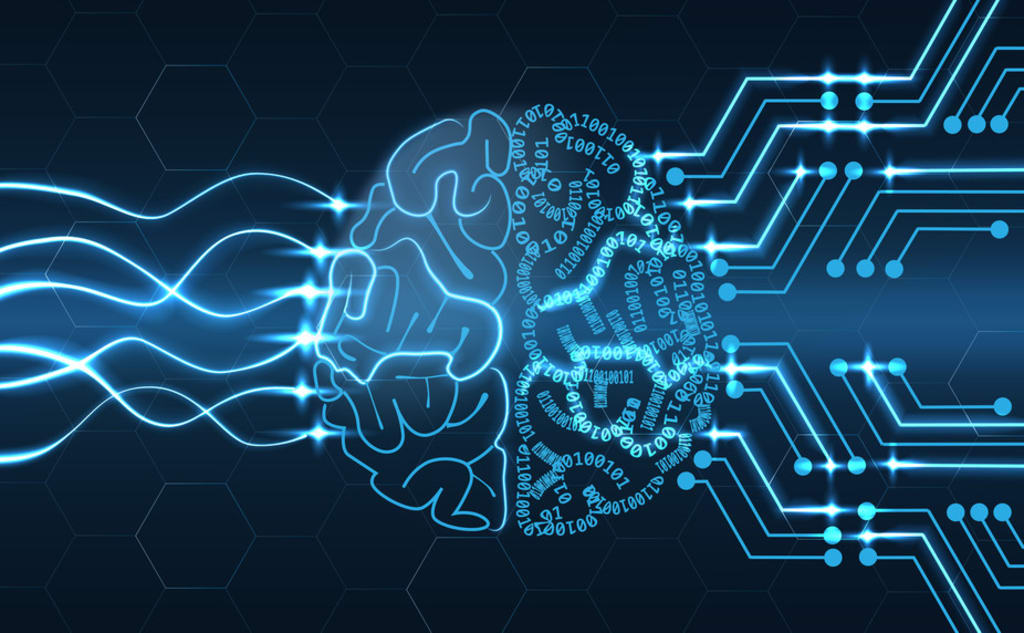
The world has undergone a technological revolution in recent years, and artificial intelligence (AI) has become one of the most significant advancements. AI is the ability of machines to perform tasks that typically require human intelligence, such as learning, reasoning, and problem-solving. The use of AI has transformed many aspects of our lives, including healthcare, education, and business.
One of the most significant advantages of AI is its ability to impe healthcare. AI is used to develop predictive models that help physicians identify patients who are at high risk of developing certain medical conditions, such as heart disease or cancer. Additionally, AI-powered robots are used in surgery to perform procedures with greater precision and accuracy than human surgeons. AI also helps medical professionals to quickly analyze medical images, such as CT scans and X-rays, to identify diseases and abnormalities.
In education, AI is used to provide personalized learning experiences to students. AI-powered systems can analyze student performance data and recommend personalized learning paths based on each student's strengths and weaknesses. AI chatbots can also be used to provide students with immediate answers to their questions and help them with their assignments.
AI is also transforming the business world. Businesses use AI-powered chatbots to provide customer service, which reduces the workload on human customer service representatives. AI is also used to automate routine tasks, such as data entry and processing, which frees up human employees to focus on more complex tasks. AI-powered systems can also analyze data and provide insights that can help businesses make better decisions.
However, the use of AI is not without its challenges. One of the biggest concerns is the potential loss of jobs as AI-powered systems automate routine tasks. It's important to note, though, that AI can also create new jobs, such as those related to the development and maintenance of AI systems.
Another challenge is the potential for AI to perpetuate bias and discrimination. If the data used to train AI systems is biased, the systems will produce biased results. For example, if an AI system is trained on data that contains gender bias, it may perpetuate that bias in its decision-making processes. To avoid this, it's essential to ensure that the data used to train AI systems is diverse and free from bias.
Privacy and security are also concerns when it comes to AI. AI systems collect vast amounts of data, and there is a risk that this data could be used for malicious purposes. To address this, it's essential to have strict data protection laws and security measures in place to protect personal data.
Another challenge is the lack of transparency in AI decision-making processes. AI systems can make decisions that are difficult to explain, which can lead to mistrust and skepticism. To address this, it's essential to develop explainable AI, which provides clear explanations of how AI systems make decisions.
some most important point
Healthcare:
Artificial Intelligence has the potential to revolutionize the healthcare industry by improving patient outcomes, reducing costs, and increasing efficiency. One of the most significant applications of AI in healthcare is in the field of diagnostics. AI can analyze medical images, such as X-rays and CT scans, and detect patterns that may be difficult for human doctors to identify. This can lead to earlier and more accurate diagnoses, which can ultimately save lives.
AI can also be used to develop personalized treatment plans for patients based on their medical history, symptoms, and genetic makeup. By analyzing large amounts of patient data, AI can identify patterns that may help doctors make better treatment decisions. Additionally, AI can be used to monitor patients remotely, alerting doctors if there are any changes in their condition that require attention. This can improve patient outcomes by enabling doctors to provide more timely interventions.
Education:
AI is also making significant changes in the field of education. One of the most significant applications of AI in education is personalized learning. By analyzing student data, AI can develop personalized learning plans that are tailored to each student's unique needs and learning style. This can help students learn more efficiently and effectively, leading to better academic outcomes.
AI can also be used to automate administrative tasks, such as grading assignments and providing feedback to students. This can save teachers time and enable them to focus more on teaching and interacting with their students. Additionally, AI can help identify students who are at risk of falling behind or dropping out of school. By analyzing data on student performance, AI can identify early warning signs and provide interventions to help students get back on track.
Business:
AI is transforming the way businesses operate, enabling them to work more efficiently and effectively. One of the most significant applications of AI in business is automation. AI can be used to automate repetitive and time-consuming tasks, such as data entry and customer service. This can save businesses time and money, and enable employees to focus on more value-added activities.
AI can also be used to analyze data and identify patterns that may help businesses make better decisions. For example, AI can be used to analyze customer data and identify trends and preferences that can be used to improve marketing and product development. Additionally, AI can be used to predict demand and optimize supply chain operations, enabling businesses to operate more efficiently and reduce costs.
In conclusion , AI has become an essential part of our lives and has transformed many aspects of healthcare, education, and business. While there are challenges associated with the use of AI, such as the potential loss of jobs and the perpetuation of bias, these challenges can be addressed through careful planning, transparent decision-making processes, and strict data protection measures. With proper governance and regulation, AI can be used to improve our lives in significant ways.
About the Creator
Keep reading
More stories from saad khurram and writers in Education and other communities.
How to improve yourself ?
How to Improve Yourself: Tips and Strategies for Personal Growth Do you feel stuck in your life, unable to move forward or reach your full potential? If so, you're not alone. Many people struggle with self-improvement, but the good news is that it's possible to change and grow. In this article, we'll explore some tips and strategies for improving yourself and achieving personal growth.
By saad khurram3 years ago in Motivation
How Data and Analytics Are Powering Hospitality Marketplace Growth
The hospitality marketplace is evolving fast, and success now depends on more than great service and competitive pricing. Platforms, hotels, vacation rentals, and travel brands are leaning on data and analytics to make smarter decisions, improve guest satisfaction, and stay ahead of shifting demand. From pricing to personalization, analytics is shaping how businesses attract customers and increase revenue.
By Jason Nissen3 days ago in Education
Turning a History Lesson Into an Escape Room Game
History is often taught through lectures, textbooks, and timelines — methods that can feel dry and distant. But what if students could experience history instead of just reading about it? One of the most engaging ways to do this is by transforming a history lesson into an escape room game. This interactive approach combines problem-solving, teamwork, and storytelling to make history memorable and exciting.
By Games Mode On6 days ago in Education



Comments
There are no comments for this story
Be the first to respond and start the conversation.