
ARTIFICIAL INTELLIGENCE AND MEDICAL FIELD
AI AND MEDICAL FIELD
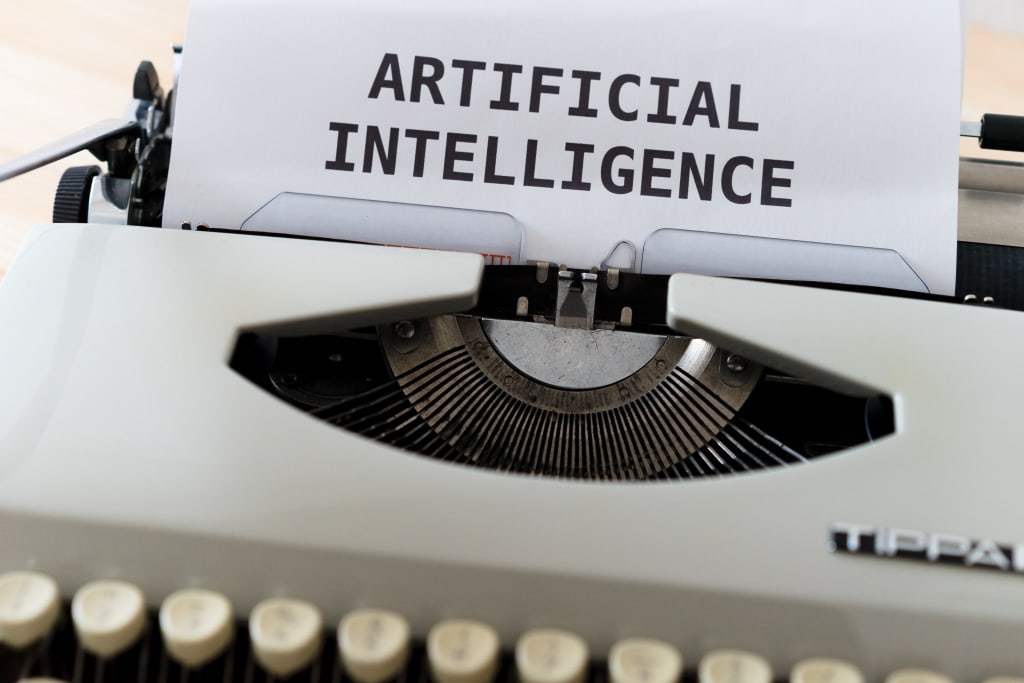
Artificial intelligence (AI) has become an increasingly important part of the medical field in recent years, with applications in areas such as medical diagnosis, personalized treatment plans, and drug development. AI has the potential to revolutionize the way that healthcare is delivered, making it more efficient, accurate, and cost-effective. In this blog, we will explore some of the ways that AI is currently being used in the medical field and its potential to impact healthcare in the future.
Medical diagnosis:
One of the most promising applications of AI in the medical field is medical diagnosis. Machine learning algorithms can analyze large amounts of medical data, such as electronic health records, lab results, and medical images, to identify patterns and predict diagnoses. This can help doctors to make more accurate diagnoses, especially in cases where the symptoms are vague or complex. For example, AI can be used to diagnose cancer at an early stage, which can increase the chances of successful treatment.
Personalized treatment plans:
Another area where AI can be useful is in the development of personalized treatment plans. By analyzing a patient's medical history, genetic information, and other data, AI can help doctors to develop treatment plans that are tailored to the specific needs of the patient. This can help to optimize treatment effectiveness and reduce the risk of side effects. For example, AI can be used to identify which medications are most likely to be effective for a particular patient, based on their genetic makeup and medical history.
Drug development:
AI can also be used to speed up the drug development process. By analyzing large amounts of data on drug interactions, toxicity, and efficacy, AI can help to identify promising drug candidates more quickly than traditional methods. This can help to bring new drugs to market faster and at a lower cost. For example, AI can be used to identify potential drug targets for diseases that are currently difficult to treat, such as Alzheimer's or cancer.
Challenges:
While artificial intelligence (AI) has the potential to revolutionize the medical field, there are several challenges that need to be addressed in order to ensure that AI is used safely and effectively. Here are some of the main challenges of AI in the medical field:
Data quality and availability: AI algorithms rely on large amounts of high-quality data to be trained effectively. However, data quality and availability can be a challenge in the medical field, especially in cases where patient data is spread across multiple systems and formats.
Bias: AI algorithms can be biased based on the data they are trained on, which can result in inaccurate or unfair results. This is especially concerning in the medical field, where bias could result in incorrect diagnoses or treatments.
Ethical concerns: The use of AI in the medical field raises ethical concerns around issues such as patient privacy, informed consent, and the use of algorithms in decision-making.
Interoperability: In order for AI to be effective in the medical field, it needs to be able to work with a variety of different systems and technologies. This can be challenging, as different systems may use different data formats and protocols.
Technical limitations: AI algorithms have technical limitations, such as the inability to handle ambiguity and uncertainty. This can be a challenge in the medical field, where diagnoses and treatment plans often require nuanced and complex decision-making.
Regulatory challenges: The use of AI in the medical field is subject to regulatory oversight, which can be complex and time-consuming. Ensuring that AI algorithms meet regulatory requirements can be a significant challenge for healthcare providers and technology companies.
Adoption and integration: Healthcare organizations may be reluctant to adopt AI technology, either due to concerns about its effectiveness or concerns about the cost and complexity of integrating it into existing systems.
Addressing these challenges will require collaboration between healthcare providers, technology companies, policymakers, and other stakeholders. As AI technology continues to advance, it will be important to address these challenges in order to ensure that AI is used safely and effectively in the medical field.
Conclusion:
Artificial intelligence has the potential to transform the way that healthcare is delivered, from medical diagnosis to personalized treatment plans and drug development. While there are some challenges that need to be addressed, the benefits of using AI in the medical field are clear. As technology continues to advance, we can expect to see even more innovative applications of AI in the medical field, with the potential to improve the lives of patients around the world.
About the Creator
Keep reading
More stories from writers in Education and other communities.
How Collective Giving Shapes Stronger and More Compassionate Communities
Giving back to the community reflects a shared desire to uplift others and create meaningful change. Although many associate giving with financial donations, it can take countless forms, including volunteering, mentoring, or offering skills to local organizations. Each contribution matters because it strengthens the support networks that help communities thrive. As individuals continue to give, they build a culture where charitable involvement becomes a natural and valued part of everyday life.
By Jason Pruet3 days ago in Education
Why the Textile Recycling Market Is Reshaping the Future of Sustainable Fashion?
With the rise of concerns around sustainability in general, and the fashion and textile industry in particular, the environmental impact of textiles, textile waste, and the resources used to make textiles have become subjects of rethinking in the industry and among consumers. The textile recycling market has emerged as one of the leading solutions to address the need for reducing waste and promoting a circular economy.
By Akshay Kumarabout 5 hours ago in Education
When True Love Never Questions Your Soul
“And she’s going to learn that this life will hit you, hard, in the face, wait for you to get back up, just so it can kick you in the stomach but getting the wind knocked out of you is the only way to remind your lungs how much they like the taste of air.” — Sarah Kay’s Poem — If I Should Have a Daughter
By Chantal Christie Weiss3 days ago in Humans


Comments