
Architectural BIM Services: Some Common Mistakes You Should Avoid
silicon valley's blog on the Architectural BIM Services: Some Common Mistakes You Should Avoid.

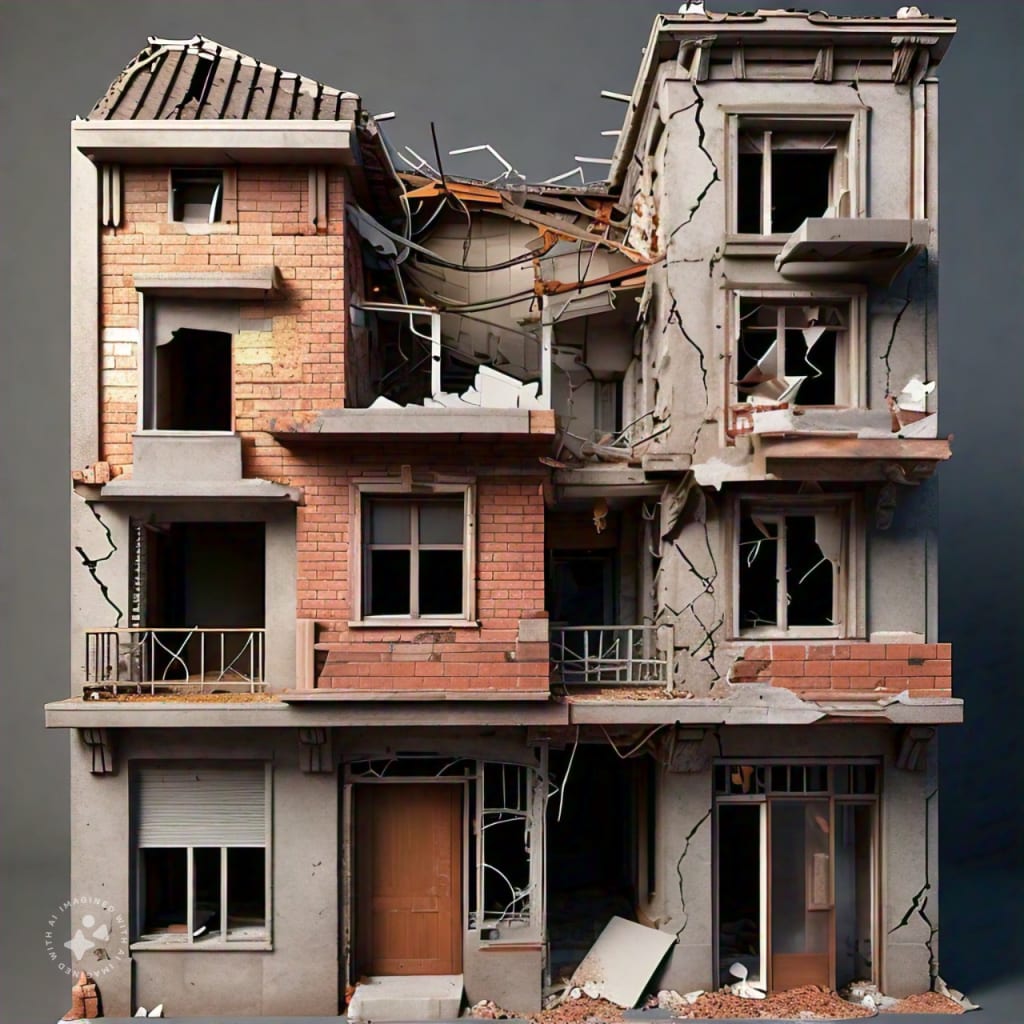
Building Information Modeling has revolutionized the construction industry, especially for architects. It allows for improved design processes, collaboration, and accuracy in planning and executing projects. However, like any powerful tool, if it’s not used properly, BIM can lead to mistakes that can cost time and money.
In this post, we’ll go over some of the most common mistakes teams make when using Architectural BIM Services, and how you can avoid them to make your projects more successful.
1. Not Having Proper BIM Training:
One of the most common mistakes is using BIM without the right training. BIM is much more than just drawing buildings in 3D. It involves managing a lot of information about the project, from materials to costs and timelines. If your team doesn’t fully understand how to use BIM tools, they might make costly errors, such as creating models that are inaccurate or incomplete. This can cause confusion later in the project, especially when other teams like engineers or contractors are involved.
How to Avoid This: Ensure that everyone working on the project receives proper BIM training. It's important that your team knows how to operate the software effectively. Regular training sessions and workshops can help keep everyone up to date with the latest features and techniques. This way, the project will run more smoothly, with fewer mistakes.
2. Ignoring BIM Standards:
BIM standards are guidelines set by the industry to ensure that everyone working on a project is on the same page. These standards include rules about how models should be named, organized, and managed. Ignoring these standards can lead to chaos, where models are difficult to understand, and errors can easily be overlooked. This lack of consistency can create confusion and lead to costly delays.
How to Avoid This: Always follow industry BIM standards, such as ISO 19650, which are recognized globally. These standards cover every aspect of a BIM project, from how files are named to how data is shared between teams. Make sure all members of your team are aware of these standards and follow them consistently throughout the project.
3. Poor Coordination Between Teams:
BIM thrives on collaboration, bringing together different teams such as architects, engineers, and contractors. However, poor coordination can lead to significant issues. For example, if the architect’s model doesn’t match up with the engineer’s, it can lead to mistakes that could have been avoided with better communication. Without effective collaboration, models can become disjointed, leading to rework, which wastes time and money.
How to Avoid This: Establish clear communication channels between all teams from the start. Using cloud-based platforms for BIM can help everyone stay up to date in real-time, reducing the chances of errors due to miscommunication. Additionally, holding regular coordination meetings will help ensure that everyone is working with the latest information and aligned on project goals.
4. Not Keeping BIM Models Updated:
Another common mistake is failing to keep the BIM model up to date. Changes happen throughout the life of a project, whether it's new client requests or adjustments to the design. If the BIM model isn’t updated to reflect these changes, then team members may be working with outdated information, leading to confusion and errors down the line.
How to Avoid This: Assign a dedicated model manager who will be responsible for ensuring that all changes are reflected in the BIM model. This person will coordinate updates and ensure that everyone is working with the most recent version. This can prevent errors and help the project move forward without unnecessary delays.
5. Skipping Clash Detection:
Clash detection is one of the best features BIM has to offer. It helps identify potential conflicts between different systems in the building, such as plumbing, electrical, or structural elements. However, many teams overlook this step, assuming everything will fit together perfectly. Skipping clash detection can lead to major issues during construction when it’s discovered that two components occupy the same space, requiring costly fixes.
How to Avoid This: Use the clash detection features in BIM software like Revit or Navisworks to scan the model for conflicts. This will help identify potential issues early on, so they can be fixed in the design phase, rather than on-site. Fixing these problems digitally is much cheaper and faster than addressing them during construction.
6. Neglecting Data Management:
BIM isn’t just about 3D modeling—it’s also about managing the huge amount of data attached to the model. This data includes information about materials, schedules, costs, and much more. If this data is not managed properly, it can become inaccurate, incomplete, or even lost. This can lead to big problems, especially during construction or when trying to maintain the building later on.
How to Avoid This: Implement a strong data management system that ensures all information is accurate and accessible throughout the project. Use a common data environment (CDE) where everyone can store, organize, and access data in a structured way. This will help prevent confusion and errors as the project progresses.
7. Forgetting About Future Uses of BIM Data:
Many architectural firms focus only on the immediate project needs and don’t think about how the BIM data can be used in the future. BIM models contain valuable information that can be used for managing the building after construction is complete, such as maintenance schedules, future renovations, or energy efficiency improvements.
How to Avoid This: Plan for the long term by including information in the BIM model that will be useful for the building’s lifecycle. Think about how facility managers or building owners will use the data after construction is complete. This approach not only helps the immediate project but also adds long-term value to the BIM model.
8. Introducing BIM Too Late:
Sometimes, firms start using BIM too late in the project lifecycle. By the time BIM is introduced, many important decisions have already been made, which limits its ability to improve the project. Introducing BIM late means missing out on its full benefits, such as better collaboration, improved design quality, and efficient project management.
How to Avoid This: Bring BIM into the project as early as possible. Ideally, it should be introduced during the initial design phase. This allows the project team to take full advantage of BIM’s capabilities, including improved decision-making, early clash detection, and better collaboration among stakeholders.
Final Thoughts
BIM has transformed the way architectural projects are delivered, offering many benefits such as increased collaboration, reduced errors, and better project outcomes. However, to truly reap these benefits, it’s important to avoid common mistakes that can derail a project. By ensuring proper training, following standards, keeping models updated, and fostering strong team coordination, you can maximize the value of Architectural BIM Services and ensure your projects are successful from start to finish.
Avoiding these common pitfalls will help you make the most of BIM technology, leading to better project results, happier clients, and a more efficient workflow.
About the Creator
Silicon Valley Infomedia
Silicon Valley Infomedia Pvt. Ltd. is a global leader providing CAD-based BIM, architectural, and structural services, as well as web services and app development worldwide. With expertise in cutting-edge technologies.
Keep reading
More stories from Silicon Valley Infomedia and writers in Education and other communities.
What Are the Benefits of Using Rendering Services in Interior Design?
What is 3D Rendering Services for Interior Design? 3D Rendering Services for Interior Design are specialized services that produce realistic, three-dimensional images of interior spaces. These images help designers and clients visualize what a room will look like when the project is completed. The renderings show detailed aspects such as furniture, textures, lighting, and decor, allowing for a clear representation of the final design.
By Silicon Valley Infomedia2 years ago in Education
AI in eLearning Market to Reach USD 12.2 Billion by 2033: Driving Personalized Learning
Market Overview Artificial Intelligence in eLearning represents the integration of machine learning, natural language processing, and advanced analytics into digital learning systems. These technologies allow educational platforms to analyze learner behavior, automate assessments, and provide adaptive learning experiences. AI driven tools can identify learning gaps, recommend personalized study paths, and improve student engagement through interactive digital environments. As education increasingly shifts toward digital platforms, the role of AI technologies in improving learning efficiency continues to expand.
By Roberto Crum6 days ago in Education
Becca
"Everything is so... flat." Denille said stupidly as she looked around her new neighborhood. She looked around at the muted desert where even the smallest sign of life seemed to have given up. The plant life was shrubs that were half cooked by the heat and where there should have been a lawn, a mess of white rocks laid glistening in the sun. Even the sky looked stretched thin, like the sun had ironed it smooth. She’d moved from Riverside, where at least there were hills, but here in Barstow, everything felt baked and brittle.
By Sara Wilson4 days ago in Fiction


Comments
There are no comments for this story
Be the first to respond and start the conversation.