
Arab Billionaires and Their Royal Lifestyles
A Legacy of Wealth, Education, and Prestige

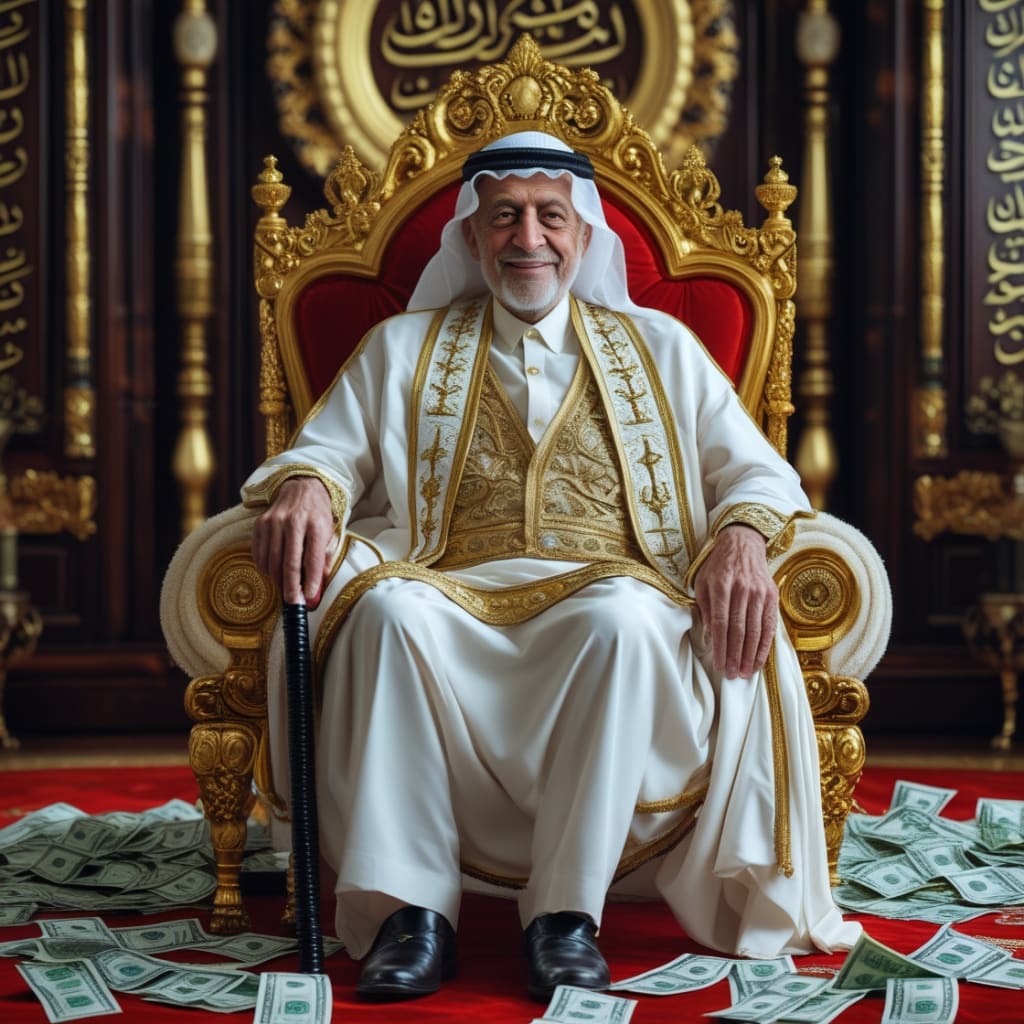
The Arab world, particularly the Gulf Cooperation Council (GCC) countries—Saudi Arabia, the United Arab Emirates, Qatar, Kuwait, Bahrain, and Oman—has long been associated with immense wealth, often derived from vast oil reserves, strategic investments, and family dynasties. Among the wealthiest individuals in this region are billionaires who not only wield economic power but also live opulent lifestyles steeped in royal traditions and cultural heritage. Their fortunes are frequently intertwined with royal lineages, and education plays a pivotal role in shaping their modern global personas.
The Foundations of Wealth
Much of the wealth among Arab billionaires originates from the discovery and exploitation of oil in the early to mid-20th century. Countries like Saudi Arabia and the UAE transformed from underdeveloped desert territories into booming economic hubs, fueled by petrodollars. Ruling families and influential business figures, such as Prince Al-Waleed bin Talal of Saudi Arabia or the Al-Futtaim family of the UAE, amassed fortunes through state-supported ventures and private investments.
Diversification has become a key theme in the 21st century. Recognizing the volatility of oil markets, many Arab billionaires have ventured into sectors such as real estate, technology, entertainment, and finance. The Saudi Public Investment Fund (PIF), led by Crown Prince Mohammed bin Salman, is one example of strategic diversification aiming to position Saudi Arabia as a global economic powerhouse through Vision 2030.
Education: A Strategic Asset
In addition to wealth, education plays a central role in the evolution of these billionaires’ influence. Many royal family members and affluent business leaders have received education abroad, particularly in Western institutions. For instance, Prince Al-Waleed bin Talal earned his degree from Menlo College in California, while many Emirati royals have attended institutions like Sandhurst in the UK or Ivy League schools in the U.S.
This exposure to global education systems equips Arab billionaires with modern leadership skills, global business acumen, and diplomatic finesse. Education also helps bridge traditional royal values with the demands of contemporary leadership, enabling them to maintain cultural integrity while innovating for the future.
In recent decades, there has also been a strong push within the region to build world-class educational institutions at home. Initiatives like Education City in Qatar and NYU Abu Dhabi reflect this commitment. Billionaires and royal families often fund these endeavors as part of their philanthropic and national development goals.
Opulence and Royal Lifestyle
The lifestyle of Arab billionaires is often synonymous with unparalleled luxury. Palatial residences, private islands, fleets of exotic cars, and custom-designed yachts are just the beginning. Royal figures such as Sheikh Mohammed bin Rashid Al Maktoum, the ruler of Dubai, are known for their extravagant tastes—his stables house some of the world’s finest racehorses, and his private aircraft fleet rivals that of commercial airlines.
Hospitality, generosity, and public grandeur are deeply embedded in Arab culture, and these values are magnified in the lives of the elite. Lavish weddings, national celebrations, and charitable galas often feature displays of wealth that simultaneously showcase cultural pride and familial prestige.
However, such lifestyles are not merely about material indulgence; they also serve diplomatic and social purposes. Hosting global leaders, artists, and CEOs at luxurious estates or events allows these billionaires to exert soft power and strengthen strategic alliances.
Balancing Tradition and Modernity
A striking feature of Arab billionaires’ lifestyles is the balance between tradition and modernity. While they embrace luxury and global sophistication, many also maintain strict adherence to cultural and religious customs. Dress codes, architectural styles, and public behavior often reflect Islamic traditions and Bedouin values.
This dual identity enhances their international appeal. A billionaire prince can host a Western business delegation at a high-tech conference in Riyadh in the morning and participate in a traditional majlis (council) in the evening. This fluidity exemplifies the unique role Arab elites play on the world stage—acting as cultural ambassadors who merge ancient heritage with modern power.
The Role of Philanthropy and Legacy
Another defining trait of Arab billionaires is their commitment to philanthropy. Guided by Islamic principles such as zakat (charitable giving), many have established foundations that support healthcare, education, and disaster relief across the Arab world and beyond.
For example, the Alwaleed Philanthropies fund global initiatives related to cultural dialogue, disaster response, and women’s empowerment. Sheikh Mohammed’s charitable initiatives have focused on poverty alleviation, education, and innovation in the Arab world. These efforts are not only acts of generosity but also tools of legacy-building and nation-branding.
Philanthropy also serves to inspire the next generation. Many Arab billionaires invest in youth entrepreneurship and education, seeing human capital as the most sustainable form of wealth. By funding scholarships, business incubators, and leadership programs, they contribute to the social and intellectual upliftment of their societies.
Criticism and Controversy
Despite their wealth and influence, Arab billionaires are not immune to criticism. Issues of wealth inequality, lack of transparency, and political entanglements have sometimes cast a shadow over their public images. Critics argue that some forms of extravagant spending are out of touch with social realities, especially in nations grappling with unemployment or underdevelopment in certain sectors.
Moreover, some Western observers question the intersection of royal privilege and business success, noting that state backing can create monopolies or suppress fair competition. Nevertheless, many Arab billionaires have shown a growing interest in transparency, corporate governance, and social responsibility—signals of a broader transformation underway.
Conclusion: A New Era of Influence
Arab billionaires and their royal lifestyles represent a fascinating intersection of tradition, wealth, education, and global influence. These individuals are not just symbols of affluence—they are architects of the future, shaping economic policy, cultural identity, and philanthropic endeavors in their nations and beyond.
As they continue to modernize, invest in education, and expand their international presence, Arab billionaires are crafting a new narrative—one that is as much about empowerment and legacy as it is about luxury and lineage. Their stories serve as a reminder that wealth, when coupled with education and vision, can be a transformative force for entire societies.
About the Creator
Bobi Dutch
I'm passionate about exploring educational phenomena, focusing on innovation, equity, and the evolving dynamics of learning. I analyze trends, strategies that shape modern education and aim to drive impactful, research-based improvements.
Keep reading
More stories from Bobi Dutch and writers in Education and other communities.
The Biggest Myth in Education
In the landscape of modern education, a multitude of beliefs—some rooted in evidence, others in tradition—continue to shape how we approach teaching and learning. Among these, perhaps the most pervasive and damaging myth is the belief that intelligence is fixed—that individuals are born with a certain intellectual capacity and that their ability to learn is largely predetermined by genetics. This idea, often implicit in school systems and societal expectations, has profound consequences for students, educators, and the broader goals of education. Contrary to this myth, extensive research in neuroscience, psychology, and pedagogy reveals that intelligence is malleable, shaped by environment, effort, and opportunity. Understanding and rejecting this myth is essential for fostering inclusive, equitable, and high-achieving educational environments.
By Bobi Dutch8 months ago in Education
Speak and Be Heard: A Beginner’s Guide to Becoming a Podcast Host and Growing Your Audience
Becoming a podcast host is an exciting way to share your ideas, inspire others, and build a strong community. Whether you want to teach, entertain, or have great conversations, podcasting gives you a voice that can reach people around the world. But starting a podcast and growing an audience takes more than just a microphone. It requires planning, patience, and a real connection with your listeners. In this guide, you'll learn how to become a podcast host and grow your audience step by step.
By Spencer Hakimian3 days ago in Education




Comments