
Applications of Machine Learning in Various Industries
Machine Learning

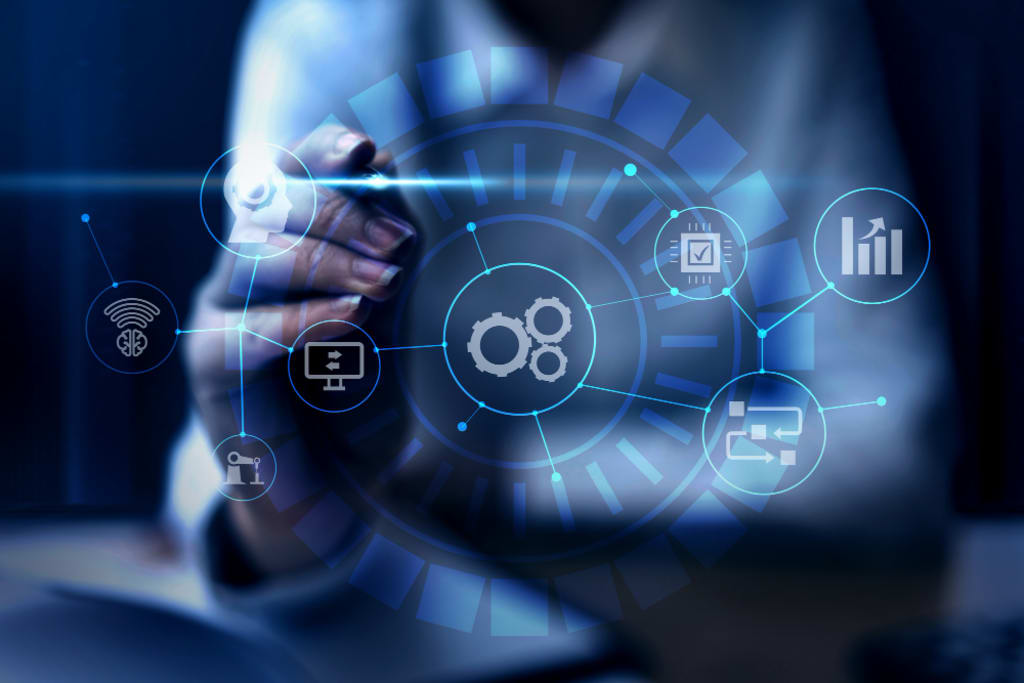
Machine learning is a subset of artificial intelligence that uses algorithms and statistical models to enable machines to learn from data without being explicitly programmed. Machine learning has become a crucial component of various industries, enabling organizations to gain insights and make informed decisions. In this article, we will explore the various applications of machine learning in different industries.
Machine Learning Applications in Healthcare
The healthcare industry has started to embrace machine learning technology in recent years. Machine learning algorithms can analyze vast amounts of medical data, including patient records, medical images, and clinical notes, to identify patterns and predict outcomes.
Diagnosis and Treatment
Machine learning algorithms can assist medical professionals in diagnosing and treating various diseases. For example, machine learning algorithms can analyze medical images, such as X-rays and CT scans, to identify abnormalities and assist doctors in making a diagnosis. Machine learning algorithms can also help doctors determine the most effective treatment plans for individual patients by analyzing their medical records and history.
Medical Research and Drug Development
Machine learning algorithms can help researchers analyze vast amounts of medical data and identify potential targets for drug development. By analyzing the vast amount of medical data generated every day, machine learning can identify patterns and predict outcomes that would be impossible to detect by humans alone.
Disease Prevention and Management
Machine learning can help healthcare providers identify individuals who are at high risk of developing certain diseases and take preventive measures. For example, machine learning algorithms can analyze a patient's medical history, lifestyle habits, and genetic information to predict their risk of developing diabetes or heart disease. By identifying high-risk individuals, healthcare providers can take preventive measures to reduce the likelihood of developing these diseases.
Machine Learning Applications in Finance
The finance industry has also adopted machine learning technology to improve operational efficiency and reduce risks. Machine learning algorithms can analyze vast amounts of financial data to identify patterns and make predictions.
Fraud Detection and Prevention
Machine learning algorithms can help financial institutions detect and prevent fraud. For example, machine learning algorithms can analyze transaction data to identify fraudulent transactions and alert the appropriate authorities.
Algorithmic Trading
Machine learning algorithms can analyze financial data and identify patterns in the stock market. This information can be used to develop algorithms that can make predictions and automate trading decisions, leading to more efficient trading and potentially higher profits.
Machine Learning Applications in Marketing and Advertising
Machine learning technology has transformed the marketing and advertising industry by enabling organizations to deliver personalized content and improve customer experiences.
Personalized Marketing and Advertising
Machine learning algorithms can analyze customer data and preferences to deliver personalized marketing content. For example, a retailer can use machine learning to analyze a customer's purchase history and browsing behavior to recommend products that are relevant to their interests.
Customer Segmentation and Targeting
Machine learning algorithms can segment customers into groups based on their preferences, behavior, and demographics. This information can be used to target specific groups with tailored marketing messages and improve customer engagement.
Predictive Analytics
Machine learning algorithms can predict customer behavior and preferences based on historical data. This information can be used to develop targeted marketing campaigns that are more likely to resonate with customers and drive sales.
Machine Learning Applications in Transportation
The transportation industry has also started to embrace machine learning technology, particularly in the development of autonomous vehicles.
Autonomous Vehicles and Self-Driving Cars
Machine learning algorithms can analyze real-time data from sensors and cameras to enable autonomous vehicles to navigate roads and make decisions. This technology has the potential to revolutionize the transportation industry by reducing accidents and improving efficiency.
Traffic Management and Optimization
Machine learning algorithms can analyze traffic data to identify patterns and optimize traffic flow. This information can be used to reduce congestion and improve travel times for commuters.
Logistics and Supply Chain Management
Machine learning algorithms can optimize logistics and supply chain management by analyzing data on inventory, shipping routes, and delivery times. This information can be used to improve efficiency and reduce costs.
Machine Learning Applications in Manufacturing
Machine learning technology has transformed the manufacturing industry by enabling organizations to improve quality control and reduce maintenance costs.
Predictive Maintenance
Machine learning algorithms can analyze sensor data from equipment to predict when maintenance will be required. This information can be used to schedule maintenance before equipment failure occurs, reducing downtime and maintenance costs.
Quality Control and Inspection
Machine learning algorithms can analyze images and sensor data to identify defects in manufactured products. This information can be used to improve quality control processes and reduce the number of defective products.
Supply Chain Management
Machine learning algorithms can optimize supply chain management by analyzing data on inventory levels, shipping routes, and delivery times. This information can be used to improve efficiency and reduce costs.
Machine Learning Applications in Education
Machine learning technology has the potential to transform the education industry by enabling personalized learning and improving educational outcomes.
Personalized Learning
Machine learning algorithms can analyze student data to create personalized learning experiences. This information can be used to tailor lesson plans to individual students' needs, improving engagement and outcomes.
Intelligent Tutoring Systems
Machine learning algorithms can analyze student data to provide real-time feedback and support. This information can be used to develop intelligent tutoring systems that can adapt to students' individual needs and improve learning outcomes.
Educational Research
Machine learning algorithms can analyze educational data to identify patterns and make predictions about educational outcomes. This information can be used to improve educational policy and practices.
Conclusion
Machine learning technology has the potential to transform a wide range of industries, from finance and marketing to transportation and healthcare. By analyzing large datasets and identifying patterns and trends, machine learning algorithms can enable organizations to make data-driven decisions and optimize their operations. As the technology continues to evolve, we can expect to see even more innovative applications of machine learning in the future.
About the Creator
Rehana Atar
SEO Expert and content writer
Keep reading
More stories from Rehana Atar and writers in Education and other communities.
The future of transportation: Electric cars, hyperloops, and flying taxis
Transportation has come a long way since the invention of the wheel. We have witnessed the evolution of various modes of transportation, from horses and carts to trains, cars, airplanes, and even rockets. As we continue to advance technologically, transportation is also evolving at a rapid pace, and we are on the cusp of a revolution in the way we move around. In this article, we will explore the future of transportation, focusing on electric cars, hyperloops, and flying taxis.
By Rehana Atar3 years ago in Education
From Job to Prison: Revenge, Sacrifice, and Ending
The story begins by showing a bald and strong man named Bradley, who is a car mechanic by profession. As usual, Bradley reaches the garage with a broken car, but after arriving there, he sees that the garage owner is anxiously waiting only for him, which makes him a little surprised. Then the garage owner calls him into his office. Hearing this, Bradley understands that he is about to be fired from his job, and exactly that happens. The owner tells him that these days the garage is going through a financial crisis, and that is why he is being forced to fire some workers. But this is only an excuse, because Bradley is a hard-tempered man, and the owner wants to remove him and hire someone who flatters him. Now since Bradley is a tough man, he does not argue with the owner. He goes to the locker room, takes out his belongings, takes his car, and silently leaves for home. And yes, friends, this is where the downfall of Bradley’s life begins, which continues straight until the end of the story and ends there. Anyway, Bradley stops his car in front of his house, and at the same time he sees that his wife Lauren is sitting in her car, talking to someone on the phone. Bradley becomes suspicious of her. To know the truth, he keeps watching her carefully for some time. When he becomes sure, he immediately goes to Lauren and tells her to open the car door. His wife says, “You came back from work very early today.” At the same moment, Bradley notices marks of someone else’s lips on her neck and says to Lauren, “Give me your phone.” But Lauren refuses to give the phone, because of which Bradley forcefully snatches the phone from her, and his suspicion turns out to be correct. She is talking on the phone with another man. In anger, Bradley tells Lauren to go inside the house. Lauren says, “At least listen to me.” Bradley says, “I said go inside the house.” Then Lauren silently goes inside the house. Now, he had already been fired from his job a little while ago, and now his wife’s affair, because of which he had become even more disturbed, so he starts taking out all his anger on Lauren’s car. How? You can see that yourself. Yes, he is so angry that he does not even realize that his hands have been badly injured. After that, he calms himself down and goes inside the house and questions Lauren about how many days she has been with the other man. Lauren tells him everything, that for the past three months she had been having an affair with someone else. Actually, Bradley’s wife had an abortion a few days earlier, because of which she used to remain sad, and Bradley often stayed busy with his work. Because of this, Lauren felt lonely and very depressed at home, and to fill this emptiness, she had to take support from another man. Hearing these things, Bradley realizes that he should have given time to Lauren. He apologizes to Lauren for this and says that from today, from right now, they will both start a new life. Lauren agrees. After that, Bradley tells Lauren that he has been fired from his job and now he will work for a man named Gil, who is a drug lord. As soon as she hears Gil’s name, Lauren clearly refuses and says, “You yourself said that you would never work with Gil.” Bradley says, “Yes, but in such circumstances, we cannot live like a prosperous family. To run a family, money is needed, and at this time I have no other option.” He also assures Lauren that he will do this work very carefully.
By Filmon Ke Raaz | Movie Mysteries Explaineda day ago in Education
Beyond Speed: How High-Performance Computing Is Shaping Tomorrow’s Discoveries
High-Performance Computing is changing how people explore ideas, test theories, and solve complex problems. It allows machines to work together at great speed. These systems can handle tasks that are far too large for standard computers. As a result, High-Performance Computing and the future of discovery are closely linked.
By Jason Pruet2 days ago in Education



Comments
There are no comments for this story
Be the first to respond and start the conversation.