
Apple < Android In 2025?🤔
Apple vs Android never ending debate


It’s 2025,
and Apple and Android’s never ending competition for mobile and tech market have not finished yet. It’s one of the longest debate which is going in the tech market .

One of the key battlegrounds in 2025 is the integration of artificial intelligence (AI) Both Apple and Google are aggressively weaving AI into the fabric of their operating systems and services.

Apple, which has always placed an emphasis on privacy-preserving on-device processing, has probably made significant progress in developing robust neural engines for its A-series chips. This allows for enhanced Siri capabilities, more personalized user experiences, and advanced features within core apps like Photos and Messages, all while keeping data largely within the user's device.

Android, on the other hand, leverages Google's vast cloud-based AI infrastructure. This enables sophisticated features like real-time language translation, advanced image recognition through Google Lens, and highly contextual information through the Google Assistant.

The conflict here lies in the philosophical approach: Apple champions privacy through localized AI, while Android offers broader, cloud-powered intelligence at the potential cost of data sharing.
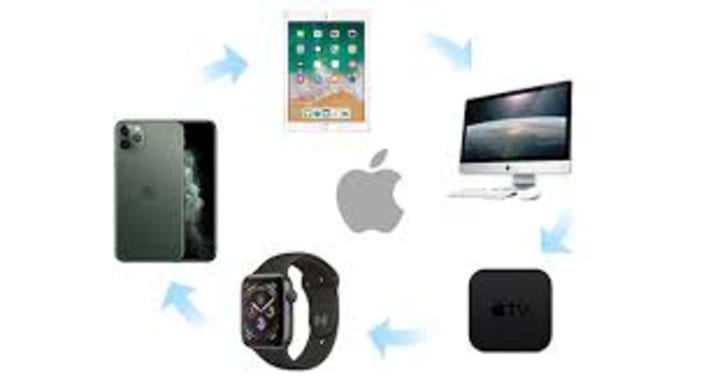
Another significant point of contention remains the walled garden versus open ecosystem debate. Apple's tightly controlled ecosystem, encompassing hardware, software, and services, offers seamless integration and a curated user experience.
By 2025, this integration is likely even tighter, with advancements in cross-device functionality and exclusive features for Apple users. This approach fosters strong user loyalty but can be restrictive for those who prefer more customization and interoperability with non-Apple products.
Android, with its open-source nature and diverse range of manufacturers, continues to offer unparalleled choice in terms of hardware, price points, and software customizations. While this openness provides flexibility, it can also lead to fragmentation and inconsistencies in software updates and user experience across different devices. In 2025, Google is likely to be pushing harder for greater standardization and faster update cycles to address this long-standing challenge.
The app ecosystem remains a crucial battleground. Both the Apple App Store and the Google Play Store boast millions of apps, but the dynamics are subtly different. Apple users have historically been more willing to pay for apps, leading to a different monetization landscape for developers. Although Android has a larger user base, developers frequently face difficulties due to device and Android version fragmentation.

By 2025, smartphones and other devices may be better integrated, with each platform providing distinct advantages. Finally, privacy and security remain paramount concerns for users. Google and Apple are both making significant investments to improve the privacy features of their operating systems.Apple continues to market its strong stance on user privacy as a key differentiator. Google, while historically facing more scrutiny in this area, is likely to have implemented more robust privacy controls and transparency measures in Android.
A personal user can choose both Apple and Android but it basically depends on their uses .Different users required different experience and user friendly behaviour . Apple is more basic and premium than Android and Android is more flexible and more customised .

The conflict revolves around user trust and which company consumers believe is more committed to safeguarding their data.
In conclusion, the Apple versus Android conflict in 2025 is not a zero-sum game. Both platforms have carved out distinct identities and cater to different user preferences. The ongoing competition fuels innovation in areas like AI, hardware design, and user experience. While loyalties remain strong, the future will likely see both ecosystems continue to evolve, borrowing successful features from each other and pushing the boundaries of mobile technology in their own unique ways. The ultimate winner is the consumer, who benefits from this relentless pursuit of better, more intelligent, and more connected mobile experiences.
About the Creator
Nafiz Ullah
I make content on trending topic or from my deeper thoughts .✨
Keep reading
More stories from writers in Education and other communities.
Major Real Estate Market Trends Defining the Modern Housing Landscape
The real estate market is undergoing steady, visible change. Buyers think differently. Sellers adjust their strategies. Investors watch new signals closely. These shifts affect prices, demand, and how homes are used. To stay informed, it helps to understand real estate market trends and why they matter today. This article explains the key movements shaping the market in clear, simple terms that are easy to read and follow.
By Michael O'Sullivan Hampton8 days ago in Education
Travel Made Easy: A Practical Guide to Planning a Smooth and Relaxing Vacation Anywhere
Travel has the power to refresh the mind, inspire new ideas, and create unforgettable memories. However, planning a vacation can sometimes feel more stressful than rewarding. From choosing destinations to managing time and expenses, many travelers feel overwhelmed before they even pack their bags. The key to enjoying a peaceful journey lies in thoughtful planning and a calm mindset. This guide explains how to plan a stress-free vacation anywhere while keeping the process simple, organized, and enjoyable.
By Nathalie Kyriakou4 days ago in Education
Rage
Content Warning: Domestic Violence, Assault Rage D. A. Ratliff “Who did this?” My voice echoed through the house. All I wanted was a cup of tea, but one of the twins, running through the house like maniacs, knocked it over. My nerves tingled, and every muscle in my body felt coiled like a spring. Survival seemed out of reach.
By D. A. Ratliff7 days ago in Fiction
The Blue Ridge Stalker
Tom had left the Ford down the way, its spark plugs finally exhausted and no mechanics for a dozen miles back through the foothills to Strossburg. No matter, he had worn his boots—almost as if he planned for this to happen. The puzzle he sought to solve emanated from the woods clinging to the slopes above; the valley behind held no mysteries.
By Stephen A. Roddewig5 days ago in Fiction




Comments
There are no comments for this story
Be the first to respond and start the conversation.