
Antimicrobial Laminate: Germ-Resistant Surfaces for Homes and Workspaces
Antimicrobial Laminate (2025 Guide)
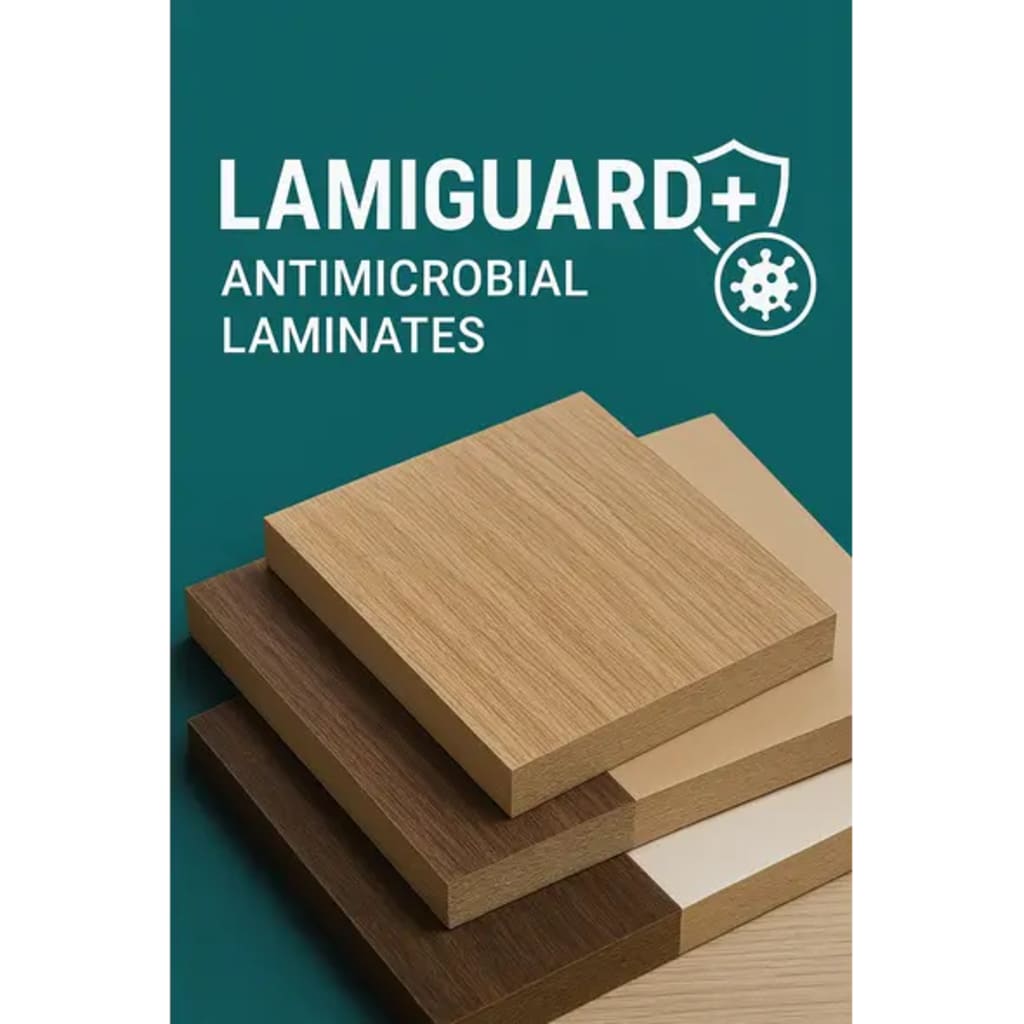
Post-pandemic awareness has transformed how we think about hygiene. From hospitals to homes, everyone is now more conscious of maintaining germ-free environments. Surfaces that once only needed to be stylish and durable now must also be safe.
This rising concern has fueled the popularity of antimicrobial laminates—modern surface materials designed to resist bacteria, viruses, and fungi. In 2025, they’re no longer confined to hospitals or labs; they’re being widely adopted in kitchens, offices, schools, and commercial spaces.
Let’s explore what makes antimicrobial laminates the go-to choice for health-conscious interiors.
What Is Antimicrobial Laminate?
The Science Behind Antimicrobial Technology
An antimicrobial laminate is a specially engineered surfacing material infused with agents like silver ions or copper compounds that inhibit microbial growth. These agents are embedded within the laminate layers during manufacturing, ensuring continuous germ resistance throughout its lifespan.
How It Differs from Standard Laminate Sheets
Unlike regular laminates, which only offer surface protection through coatings, antimicrobial laminates actively destroy or suppress bacteria and pathogens upon contact. This makes them perfect for high-touch surfaces such as countertops, furniture tops, and wall panels.
How Antimicrobial Laminate Works
The Role of Silver Ion and Copper Ion Additives
The magic lies in ion technology. Silver and copper ions disrupt the cellular function of microorganisms, preventing them from multiplying or surviving. These ions remain active even after years of use, offering 24/7 protection.
Continuous Protection Against Germs and Bacteria
While standard surfaces may harbor microbes between cleaning sessions, antimicrobial laminates provide ongoing defense. They can eliminate up to 99.9% of bacteria, including E. coli, Staphylococcus aureus, and Salmonella.
Real-World Testing and Effectiveness
Top brands like Formica® and Greenlam® conduct lab tests under ISO 22196 standards, confirming their laminates’ germ-resistant performance. This ensures reliable protection for both residential and commercial users.
Benefits of Using Antimicrobial Laminate in Everyday Spaces
Improved Hygiene and Health Protection
The biggest benefit is enhanced hygiene. Antimicrobial surfaces help reduce cross-contamination—crucial for kitchens, hospitals, and offices with shared spaces.
Long-Lasting Durability and Easy Maintenance
These laminates are not only germ-resistant but also scratch-, stain-, and heat-resistant. They maintain their appearance longer than traditional laminates, requiring minimal cleaning effort.
Ideal for High-Traffic Areas
From school desks to restaurant tables, antimicrobial laminates withstand heavy daily use while maintaining a clean, hygienic surface.
Applications of Antimicrobial Laminate
Residential Uses: Kitchens, Bathrooms, and Furniture
In homes, antimicrobial laminates are widely used for:
- Kitchen countertops
- Cabinet surfaces
- Bathroom vanities
- Dining tables and wardrobes
These surfaces stay cleaner longer and resist moisture-related issues like mold and mildew.
Commercial Uses: Offices, Hospitals, and Restaurants
Workplaces and public environments benefit the most from antimicrobial laminates:
Offices – desks, cubicles, and conference tables
Healthcare – hospital walls, nurse stations, and lab counters
Restaurants – tabletops, menus, and food service counters
Educational and Public Spaces
Schools, universities, and libraries use antimicrobial laminates to reduce the spread of germs among students and staff, especially in shared areas.
Key Differences in Composition and Performance
Antimicrobial laminates contain embedded ions throughout their layers, not just on the surface. This ensures the protection doesn’t fade over time, even with scratches or frequent cleaning.
Design and Aesthetic Options
Textures, Colors, and Finishes
Antimicrobial laminates are available in diverse:
Matte and glossy finishes
Woodgrain and marble textures
Solid pastel or bold color palettes
They’re designed to look as stylish as any premium laminate—functionality doesn’t mean compromising beauty.
Customization and Modern Trends
Interior designers often combine high-gloss antimicrobial laminates for kitchens with textured matte finishes in living areas. Modern trends also favor neutral shades like ash, walnut, and sand beige for clean, contemporary looks.
Environmental and Safety Considerations
Non-Toxic and Sustainable Materials
Quality antimicrobial laminates are made using non-toxic resins and lead-free pigments, ensuring safety for families, children, and pets.
Eco-Friendly Manufacturing Processes
Top brands follow sustainable production practices—reducing formaldehyde emissions and conserving energy. Certifications like ISO 14001 and Green Label verify their eco-friendliness.
Installation and Maintenance Tips
Proper Handling During Installation
Always ensure the surface base (MDF or plywood) is smooth and dust-free.
Use appropriate adhesives for strong bonding.
Avoid excessive bending or force during fitting.
Cleaning and Care Guidelines
Clean regularly with a soft, damp cloth.
Avoid strong acids, bleach, or abrasive pads.
Use mild detergent for stubborn stains.
Unlike natural wood, antimicrobial laminates don’t require polishing or special treatment to retain shine and effectiveness.
Where to Buy in Pakistan and Online Options
You can purchase antimicrobial laminates at major suppliers and marketplaces such as:
Shah Alam Market, Lahore
Liaquatabad Timber Market, Karachi
Blue Area, Islamabad
Online retailers like Purchaser.com, Daraz.pk, Paklam.com, and BuildMart.pk also deliver nationwide.
FAQs About Antimicrobial Laminate
1. What is an antimicrobial laminate used for?
It’s used on surfaces that need hygienic protection—like kitchen countertops, hospital walls, and office desks.
2. How long does its germ-resistant property last?
The antimicrobial layer lasts the entire life of the laminate, as the agents are embedded during manufacturing.
3. Does it require special cleaning?
No, just regular wiping with mild detergent is enough.
4. Is antimicrobial laminate safe for homes with children or pets?
Absolutely. It’s made from non-toxic, eco-friendly materials.
5. Is it worth the higher cost?
Yes, because it offers continuous germ resistance, saves cleaning effort, and improves long-term hygiene.
6. Can I install it on existing furniture?
Yes, professionals can easily apply laminate sheets over existing MDF, particleboard, or plywood surfaces.
Conclusion: Building a Safer Future with Germ-Resistant Surfaces
The world has learned that hygiene isn’t optional—it’s essential. Antimicrobial laminates combine science, design, and practicality to create safer, cleaner, and more sustainable environments. Whether you’re designing a kitchen, office, or healthcare facility, these laminates provide an intelligent balance of protection and aesthetics.
As Pakistan and the world move toward smarter living solutions in 2025, antimicrobial laminates stand out as a future-proof investment. They’re not just a surface material—they’re a safeguard for your family, employees, and community.
About the Creator
Keep reading
More stories from Abdul Alim and writers in Education and other communities.
Lamination Sheet Price in Pakistan 2025: Best Deals & Latest Rates
Lamination is one of the most common and practical ways to preserve important documents, ID cards, photos, and certificates. As digital printing and documentation continue to rise, lamination sheets have become an essential stationery item in Pakistan. In 2025, prices have slightly fluctuated due to inflation, brand variations, and import costs. In this comprehensive guide, we’ll explore everything about Lamination Sheet Price in Pakistan 2025, including types, market trends, and buying tips.
By Abdul Alim5 months ago in Education
How I Minimized My Digital Shadow Without Disappearing From the Internet
A few months ago, I did something uncomfortable. I searched my own name. Not just on Google. I checked social media platforms, old forums, public directories, and even usernames I used years ago. I searched my email address. I searched my phone number. I wanted to see what someone else could see.
By Stephano kambeta4 days ago in Education
Discovering the Art of Fly Angling: A Complete Beginner’s Guide to Getting Started
Fly fishing is widely considered one of the most rewarding and artistic forms of fishing. Unlike traditional fishing methods that rely on heavy bait or lures, fly fishing uses lightweight artificial flies that imitate insects and other small aquatic creatures. The technique requires patience, rhythm, and a strong understanding of water conditions and fish behavior. For many anglers, learning fly fishing opens the door to a deeper appreciation of nature and the peaceful environments where fish thrive.
By Joe Sottolano3 days ago in Education


Comments
There are no comments for this story
Be the first to respond and start the conversation.