
Año Nuevo: A Celebration of Hope and Renewal
Año Nuevo, the Spanish term for "New Year," is a time of vibrant celebration across the globe, particularly in Spanish-speaking countries.
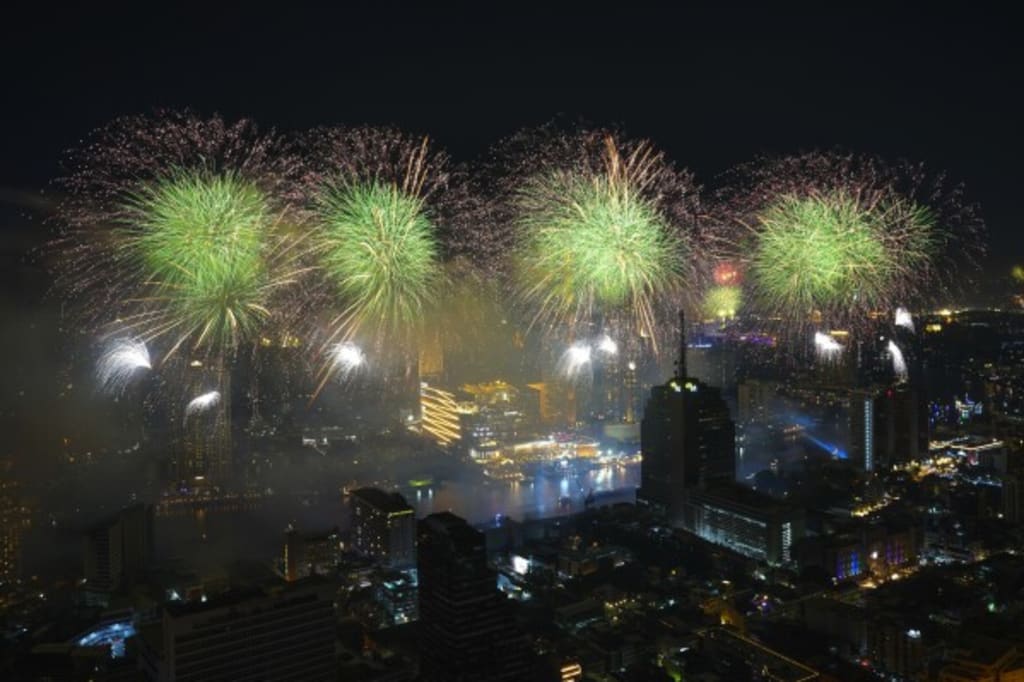
Año Nuevo, the Spanish term for "New Year," is a time of vibrant celebration across the globe, particularly in Spanish-speaking countries. It's a period filled with hope, renewal, and a collective spirit of optimism as people bid farewell to the past and embrace the promise of a fresh start.
A Tapestry of Traditions
The way Año Nuevo is celebrated varies significantly across different cultures. However, certain common threads weave through these diverse traditions.
Family Gatherings: At the heart of many celebrations lie family gatherings. Loved ones come together to share meals, exchange gifts, and reminisce about the year gone by. These gatherings often feature traditional dishes, music, and dancing, creating a warm and festive atmosphere.
Countdown to Midnight: The countdown to midnight is a universal highlight of Año Nuevo celebrations. People gather in public squares, at parties, or in their homes, eagerly anticipating the stroke of twelve. The air is filled with excitement as the clock ticks closer, culminating in a collective cheer and the exchange of well wishes for the new year.
Fireworks Displays: Fireworks are a spectacular and integral part of Año Nuevo celebrations. The night sky is illuminated with a dazzling array of colors and patterns, symbolizing the explosion of joy and hope for the future.
Superstitions and Rituals: Many cultures associate specific rituals and superstitions with Año Nuevo. In some regions, people wear certain colors of clothing to attract good luck. For instance, red is often associated with love and passion, while yellow symbolizes prosperity. Other common practices include eating twelve grapes at midnight, each representing a month of the new year, or making a wish as the clock strikes twelve.
Regional Variations
While the spirit of Año Nuevo remains consistent, the specific customs and traditions vary significantly across different regions.
Latin America: In many Latin American countries, Año Nuevo is a time for exuberant street parties and lively celebrations. People dance to traditional music, enjoy delicious food, and participate in colorful parades and processions.
Spain: In Spain, one of the most popular traditions is eating twelve grapes at midnight, each representing a month of the new year. People make a wish with each grape, hoping for good fortune in the coming months.
Mexico: In Mexico, people often decorate their homes with colorful decorations and participate in posadas, religious processions that commemorate the journey of Mary and Joseph.
A Time for Reflection and Renewal
Beyond the festivities, Año Nuevo is also a time for reflection and introspection. People often take stock of the past year, acknowledging their accomplishments and learning from their mistakes. It's an opportunity to set new goals and aspirations for the year ahead, embracing the chance for personal growth and transformation.
A Global Celebration
While rooted in Spanish-speaking cultures, the spirit of Año Nuevo has transcended geographical boundaries. People around the world, regardless of their cultural background, embrace the opportunity to celebrate the new year with hope, joy, and a renewed sense of purpose.
Año Nuevo is a testament to the enduring human desire for renewal and the power of collective celebration. It's a time to cherish loved ones, embrace new beginnings, and look forward to a future filled with promise and possibility.
About the Creator
Keep reading
More stories from William D. Doolittle and writers in Education and other communities.
Simplify Your Lumber Needs with a BD FT Calculator
If you work in woodworking, construction, or any industry involving lumber, you've likely encountered the term "board foot." It’s a fundamental measurement used to calculate the volume of wood, helping professionals and hobbyists alike to estimate costs, manage materials, and plan projects effectively. Enter the board foot calculator, a handy tool designed to streamline this process. But what exactly is a board foot, and how can this calculator save you time and effort? Let’s dive in!
By William D. Doolittleabout a year ago in Education
Why Certification Protects Transcription Careers in the Age of AI
Artificial Intelligence has rapidly transformed the transcription industry. Speech-to-text tools now promise instant results, lower costs, and effortless productivity. For businesses focused purely on speed, AI often appears to be the perfect solution. However, beneath this promise lies a critical reality: speed without accuracy creates risk.
By Mahesh Kumar4 days ago in Education
How Japan saved its biggest city from collapse
400 years ago, modern-day Tokyo was known as Edo, and it was already one of the biggest cities in the world, with a population approaching 1 million. However, it was on the verge of ecological collapse. Years of intense logging had led to massive deforestation. The city now faced timber shortages and the impacts of severe erosion and frequent flooding that threatened food supplies. But over just a few decades, Edo will transform and become one of the most sustainable and efficient cities in history.
By Munesh Yadav2 days ago in Education




Comments
There are no comments for this story
Be the first to respond and start the conversation.