
AI in Biometric Security: How Face Liveness Is Transforming Access Control
By integrating AI-driven liveness detection, organizations can ensure that their biometric security systems remain resilient against modern threats while offering a smooth user experience.

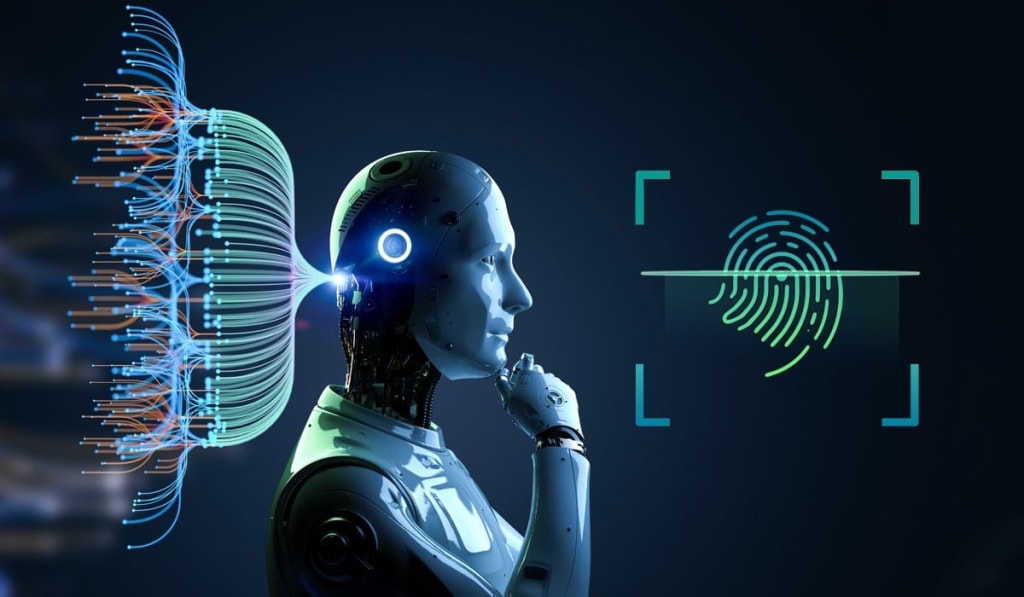
Biometric security has rapidly become a cornerstone of modern access control, ensuring that only authorized individuals can gain entry to sensitive systems, facilities, and digital platforms. Among biometric technologies, facial recognition stands out for its convenience and efficiency. However, traditional facial recognition systems have faced growing challenges due to spoofing attacks using photos, videos, and deepfake technology. This is where AI-driven face liveness detection plays a transformative role in enhancing access control security.
What Is Face Liveness Detection?
Face liveness detection is an advanced security mechanism that determines whether a biometric authentication attempt is being made by a real person or a fraudulent representation. AI-powered face liveness detection goes beyond traditional facial recognition by analyzing real-time facial movements, texture details, depth perception, and responses to stimuli to detect spoofing attempts.
The Role of AI in Face Liveness Detection
AI plays a critical role in enhancing face liveness detection through
1: Machine Learning & Computer Vision: AI-driven algorithms analyze unique facial characteristics, including micro-expressions, blink patterns, and skin texture.
2: 3D Depth Analysis: AI uses depth-sensing technology to ensure the presence of a three-dimensional face rather than a flat image.
3: Active and Passive Liveness Detection:
- Active liveness detection requires the user to perform actions such as blinking, nodding, or smiling.
- Passive liveness detection uses AI to analyze facial details without requiring user interaction, providing a seamless experience.
4: AI vs. Deepfake Detection: With the rise of deepfake technology, AI is trained to detect subtle inconsistencies in synthetic facial representations, preventing sophisticated spoofing attacks.
Applications of AI-Based Face Liveness in Access Control
The integration of AI-driven face liveness detection has revolutionized multiple industries by providing secure and seamless authentication. Key applications include:
1. Physical Access Control
Corporate offices, data centers, and restricted areas now rely on AI-based biometric security to prevent unauthorized access.
AI liveness detection prevents fraudsters from using photos or masks to bypass security systems.
2. Financial Services & Digital Banking
Banks and fintech platforms use face liveness detection to verify customers remotely during KYC (Know Your Customer) processes.
Prevents identity fraud in online transactions and digital banking.
3. Border Control & Immigration
Governments deploy AI-powered facial recognition at airports and border crossings for seamless and secure entry verification.
Liveness detection prevents criminals from using fake passports or printed photos to deceive biometric gates.
4. Secure Device & App Authentication
Smartphones and smart devices integrate AI-based face liveness detection for unlocking and secure transactions.
Enterprise applications ensure authorized personnel access sensitive data via biometric authentication.
5. Healthcare & Telemedicine
AI-powered face liveness helps in patient verification for remote consultations.
Prevents fraud in telemedicine services by ensuring that the registered individual is the one receiving care.
Advantages of AI-Powered Face Liveness Detection
1: Enhanced Security: Protects against spoofing, deepfake threats, and identity fraud.
2: Frictionless User Experience: Passive liveness detection allows for seamless and non-intrusive authentication.
3: Scalability & Remote Verification: Businesses can verify users globally without the need for physical presence.
4: Regulatory Compliance: Meets stringent security standards in financial services, healthcare, and identity verification processes.
Challenges & Future Outlook
Despite its advantages, AI-powered face liveness detection still faces challenges:
1: Privacy Concerns: Biometric data collection raises ethical and regulatory concerns.
2: Edge Cases & False Positives: AI algorithms must continuously improve to minimize errors.
3: Evolving Threats: Cybercriminals constantly develop new techniques to bypass biometric security, requiring ongoing AI advancements.
Looking ahead, AI-driven biometric security will continue evolving with improvements in deep learning, real-time threat detection, and integration with other biometric modalities like voice and iris recognition. The future of access control will be defined by AI’s ability to balance security with user convenience.
Conclusion
AI-powered face liveness detection is revolutionizing biometric security by enhancing access control systems across industries. As AI continues to evolve, it will play an even greater role in preventing fraud, improving identity verification, and ensuring seamless yet secure authentication. Businesses and governments must embrace these advancements to stay ahead in the ever-changing landscape of cybersecurity.
About the Creator
Lokesh Joshi
Computer Science Engineer by the profession and I am passionate about technology and integrating it with innovative ideas to give startups the initial boost that they require.
Keep reading
More stories from Lokesh Joshi and writers in Education and other communities.
How Generative AI Tackles Multi-Language KYC Documentation?
In today’s globalized world, businesses must cater to customers from diverse linguistic and cultural backgrounds. This diversity, while enriching, poses significant challenges for compliance processes like Know Your Customer (KYC). KYC documentation often comes in various languages, making it difficult for businesses to verify and process information efficiently. Generative AI has emerged as a game-changing solution, offering innovative ways to tackle multi-language KYC documentation with speed, accuracy, and scalability.
By Lokesh Joshiabout a year ago in Education
✅ Mismatch: Life Skills of Learning to Walk and Mastering Writing, Fight Bullies ✅
✅ How can I become a better writer? ✅ It starts with mindfulness, , , Every year, many people go to the Emergency Room because they have fallen inside their own house, and for some elderly people a broken bone is a very serious matter; however, if you take a grappling art like Judo or Aikido, the first thing you learn is to fall, and the first part of mastering that lesson is to relax.
By SAMURAI SAM AND WILD DRAGONS7 days ago in Education
Why Are Coffee Beans More Than Just a Morning Habit?
Coffee is one of the most widely consumed beverages in the world, enjoyed daily by millions of people across cultures and continents. At the heart of every cup of coffee lies the coffee bean, a small but powerful ingredient that defines flavor, aroma, and quality. Coffee beans are not just agricultural products; they represent culture, lifestyle, and a major economic activity for many countries.
By Rohit Shah4 days ago in Education




Comments
There are no comments for this story
Be the first to respond and start the conversation.