
AI and the Future of Work: Opportunities and Challenges
AI and the Future of Jobs: Opportunities and Threats

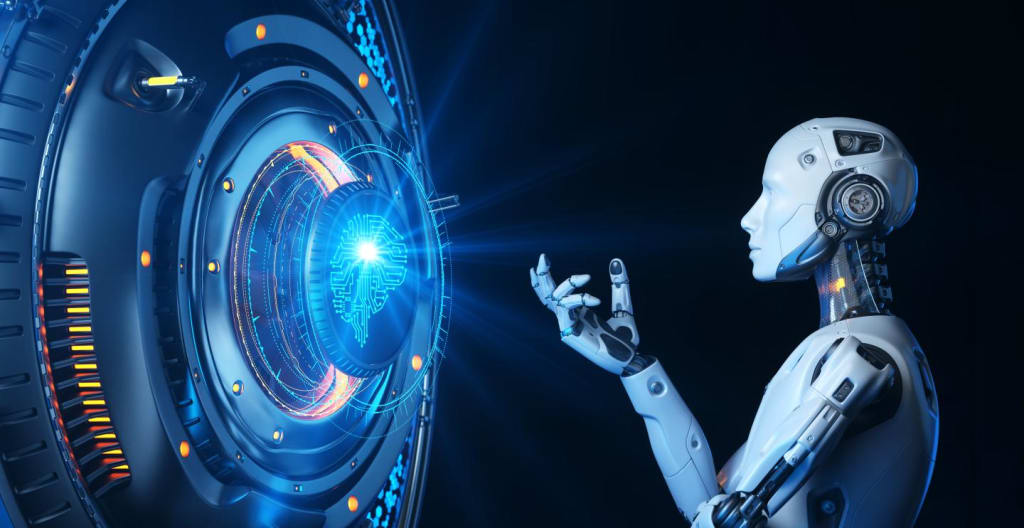
The potential impact of AI on job availability and job markets:
Artificial intelligence (AI) has the potential to significantly impact job availability and job markets in a number of ways. Here are a few potential impacts of AI on the job market:
Automation of tasks and processes: One of the most significant impacts of AI on the job market is the automation of tasks and processes that are currently performed by human workers. This can lead to job displacement as machines are able to perform these tasks more efficiently and at a lower cost.
Creation of new job categories and roles: While AI may automate some existing jobs, it can also create new job categories and roles that did not exist previously. For example, the development and implementation of AI systems may require individuals with specialized skills in machine learning and data science.
Shift in the balance of power between workers and employers: AI may also impact the balance of power between workers and employers, as it may give companies more leverage to negotiate wages and working conditions.
Opportunities for job growth and advancement in the age of AI:
The adoption of artificial intelligence (AI) in the workplace can create new opportunities for job growth and advancement. Here are a few examples of such opportunities:
Upskilling and reskilling to work alongside AI: As AI automates some tasks and processes, workers may need to upskill or reskill to take on new roles that require a different set of skills. For example, individuals may need to learn how to work alongside AI systems or how to manage and oversee AI-powered processes.
Opportunities in the development and implementation of AI technology: There will also be opportunities for individuals with specialized skills in areas such as machine learning and data science to work on the development and implementation of AI systems.
New industries and business models enabled by AI: AI can also enable the creation of new industries and business models that did not exist previously. For example, AI-powered personal assistants or AI-powered customer service chatbots may create new job categories in the service sector.
Challenges and concerns surrounding the future of work and AI:
There are a number of challenges and concerns surrounding the future of work and the adoption of artificial intelligence (AI) in the workplace. Some of the main challenges and concerns include:
Displacement and job loss due to automation: One of the biggest concerns about AI in the workplace is the potential displacement of jobs as machines automate tasks and processes that are currently performed by human workers. This can lead to job loss and unemployment for affected workers.
Ethical considerations related to the use of AI in the workplace: There are also a number of ethical considerations surrounding the use of AI in the workplace, including issues related to bias in algorithms and the potential for AI to be used to monitor and control employees.
Strategies for addressing the challenges and maximizing the opportunities of AI in the job market:
Here are a few strategies that individuals and organizations can use to address the challenges and maximize the opportunities of artificial intelligence (AI) in the job market:
Lifelong learning and continuous education: One of the most important strategies for addressing the challenges and taking advantage of the opportunities of AI in the job market is to engage in lifelong learning and continuous education. This can help workers stay up to date with the latest developments in AI and other emerging technologies, and to develop the skills and knowledge needed to work alongside or in conjunction with AI systems.
Government policies and initiatives to support workers and mitigate job displacement: Governments can also play a role in addressing the challenges of AI in the job market by implementing policies and initiatives that support workers and mitigate the impact of job displacement. For example, governments can invest in retraining programs and other initiatives to help workers transition to new roles in the age of AI.
Ethical guidelines and best practices for the development and use of AI in the workplace: It is also important to establish ethical guidelines and best practices for the development and use of AI in the workplace. This can help ensure that the adoption of AI is done in a responsible and fair manner, and that the potential risks and negative impacts of AI are minimized.
Conclusion:
While there are valid concerns about the impact of AI on the job market, there are also significant opportunities for job growth and advancement in the age of AI. It is important for individuals and organizations to be proactive in preparing for the future of work and in maximizing the benefits of AI while minimizing the risks.
About the Creator
Vamshi
a human with more dreams and energy
What Are Snapchat Planets and How Do They Work
Introduction to Snapchat Planets Snapchat planets are a visual feature that helps users understand how interaction works inside the Snapchat app. Many users notice planets next to friend profiles and feel curious about their meaning. Snapchat planets are designed to represent digital interaction levels in a simple and visual way rather than using numbers or charts.
By AWAIS TARIQ6 days ago in Education
Top 10 SEO Experts In Pakistan In 2026
Introduction Search optimization in 2026 no longer revolves around keywords or isolated ranking tactics. Google’s AI Overviews, entity-based indexing, and answer-first systems have changed how visibility is earned. Search engines now evaluate meaning, credibility, and contextual authority rather than mechanical signals.
By Sajid Ali Sharabout 6 hours ago in Education




Comments
There are no comments for this story
Be the first to respond and start the conversation.