
AI and Social Media: Shaping Online Interactions
How Algorithms Influence What You See


Introduction
The integration of artificial intelligence (AI) into social media platforms has fundamentally transformed how we interact online, consume content, and engage with digital advertising. By leveraging advanced algorithms and machine learning, AI curates our digital experiences, influencing everything from the posts we see to the ads we encounter. This transformation enhances user engagement and platform efficiency but also raises important questions about privacy, bias, and the spread of misinformation.
AI-Driven Content Recommendation
AI algorithms meticulously analyze user behavior—likes, shares, comments, and viewing history—to curate personalized content feeds. Platforms like Facebook, Instagram, and TikTok employ machine learning models that predict which posts, videos, or articles users are most likely to engage with. This level of personalization increases time spent on platforms and boosts user satisfaction by ensuring content relevance. For example, TikTok's algorithm is renowned for its ability to surface highly relevant content within minutes of app launch, creating a seamless and engaging user experience.
Targeted Advertising
AI revolutionizes digital advertising by enabling precise audience targeting. By analyzing demographic data, browsing habits, and engagement patterns, AI algorithms identify the most receptive audiences for specific products or services. This results in ads that feel less intrusive and more relevant to users. For instance, AI can predict optimal times to display certain ads or tailor messaging to resonate with particular user segments. This precision not only improves conversion rates for advertisers but also enhances user experience by reducing irrelevant ad exposure.
Enhancing User Engagement
AI-powered chatbots and virtual assistants provide instant responses to user inquiries, streamlining customer service interactions. Platforms like Facebook Messenger leverage AI to handle routine queries, freeing human agents for more complex issues. Additionally, AI-driven sentiment analysis gauges audience reactions to content in real-time, allowing brands to refine their strategies based on immediate feedback. This data-driven approach helps businesses create more impactful content and build stronger connections with their audience.
Content Moderation
AI plays a crucial role in maintaining platform safety by detecting and removing harmful content such as hate speech, misinformation, and spam. Machine learning models analyze text, images, and videos to flag inappropriate material. However, AI moderation faces challenges with nuanced content, requiring a hybrid approach combining automated filtering with human oversight to ensure accuracy and fairness.
Challenges and Ethical Considerations
The pervasive influence of AI in social media raises several ethical concerns. Data privacy remains a paramount issue, as AI systems require vast amounts of user data to function effectively. Users often lack transparency about how their data is collected, stored, and utilized, fueling anxieties about digital surveillance. Algorithmic bias is another significant concern, as AI models trained on biased data can perpetuate echo chambers and reinforce societal divisions. Furthermore, the prioritization of engagement metrics can inadvertently amplify sensational or misleading content, contributing to the spread of misinformation.
Future Outlook
The future of AI in social media promises continued innovation with advancements in generative AI, deepfake detection, and AR/VR integrations. AI-driven virtual influencers and sophisticated recommendation systems will further reshape digital interactions. As technology evolves, platforms must balance innovation with ethical responsibility, implementing transparent AI policies and robust data governance frameworks. Businesses that effectively leverage AI while addressing user concerns will be best positioned to thrive in this dynamic landscape.
Conclusion
AI has become an indispensable force in shaping social media experiences, enhancing content relevance, and optimizing advertising efforts. By understanding both the benefits and challenges of AI-driven platforms, users and businesses can navigate this evolving landscape more effectively. As AI continues to advance, fostering a balanced approach that maximizes efficiency while respecting user autonomy and privacy will be essential for maintaining trust and ensuring positive digital interactions.
Recommended books
Genesis: Artificial Intelligence, Hope, and the Human Spirit
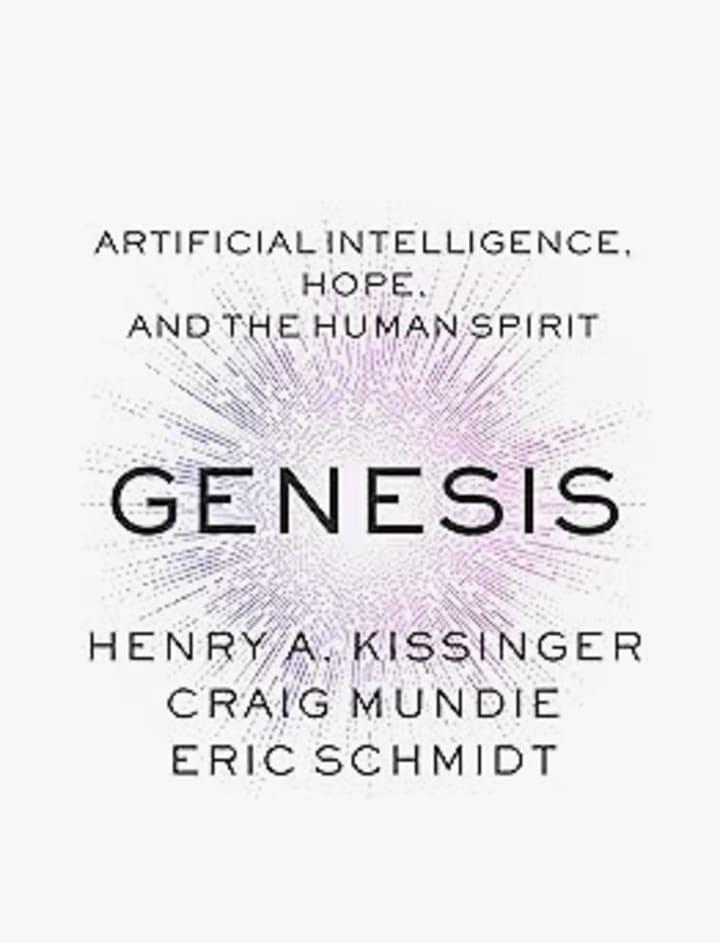
As Artificial Intelligence (AI) becomes more dynamic and ubiquitous, it is dramatically empowering people in all walks of life while also giving rise to urgent questions about the future of humanity—a historic challenge whose contours and consequences are revealed by three eminent thinkers in Genesis.
About the Author: With over a decade of experience as an internet product architect, I’ve spent my career crafting innovative application solutions that bridge technology and real-world needs. Now, as a passionate advocate for artificial intelligence, I focus on exploring its transformative applications. I’m committed to pushing the boundaries of AI to empower lives and shape a smarter future. Join me on this exciting journey as we uncover the endless possibilities of intelligent technology.
About the Creator
roc chiang
I'm a tech enthusiast and entrepreneur based in Vancouver. I share original articles on technology, business and other related topics on social media to showcase my passion and insights.
Editor-in-Chief:fengtou.ca
Keep reading
More stories from roc chiang and writers in Education and other communities.
AI in Transportation: The Road to Autonomy
Introduction The integration of artificial intelligence (AI) into transportation systems marks a pivotal shift in how we move people and goods across the globe. By leveraging advanced algorithms, machine learning, and real-time data processing, AI is transforming autonomous vehicles and traffic management systems, promising safer, more efficient, and sustainable mobility solutions.
By roc chiang10 months ago in Education
Navigating the Most Complex Heart Conditions
Cardiology is advancing at a remarkable pace, thanks to next-generation imaging technologies that allow doctors to see the heart in extraordinary detail. For patients with complex or rare cardiac conditions, these tools provide insights that traditional methods often miss. By combining structural, functional, and metabolic imaging, physicians can make accurate diagnoses, plan effective treatments, and monitor progress with unprecedented precision. Modern cardiac imaging is redefining how heart disease is detected and managed.
By Nishi Patel7 days ago in Education
Navigating Economic Uncertainty with Strategic Property Investment
Economic uncertainty has become a constant presence in today’s financial landscape. From inflation and rising interest rates to global conflicts and supply chain disruptions, investors are increasingly concerned about protecting their assets and ensuring long-term financial security. Amid this volatility, real estate remains one of the most dependable investment vehicles. Its tangible nature, consistent income potential, and historical resilience make it a powerful tool for weathering financial storms.
By Accrue Real Estate2 days ago in Education



Comments
There are no comments for this story
Be the first to respond and start the conversation.