
AI and Personalized Shopping Experiences
How Technology Knows What You Want


Introduction
The integration of artificial intelligence (AI) into e-commerce has revolutionized the shopping experience, offering unprecedented levels of personalization and convenience. By leveraging advanced algorithms and machine learning, AI transforms raw data into tailored shopping journeys that meet the evolving expectations of modern consumers.
AI-Powered Recommendation Engines
At the heart of personalized shopping experiences are AI-driven recommendation engines. These systems analyze vast amounts of customer data, including browsing history, purchase behavior, and preferences, to suggest products that align with individual interests. For example, Amazon's recommendation system uses collaborative filtering to suggest products based on what similar users have purchased, while also considering the individual's browsing and purchase history. This level of personalization increases customer engagement and boosts conversion rates.
Dynamic Pricing Strategies
AI enables dynamic pricing strategies, where prices are adjusted in real-time based on demand, competitor pricing, and customer behavior. This ensures that businesses remain competitive while maximizing revenue. For instance, in B2B e-commerce, prices can vary significantly based on pre-negotiated agreements and bulk purchasing, and AI helps manage these complexities efficiently.
Visual Search and Image Recognition
AI-powered visual search is transforming how customers discover products online. Instead of typing keywords, shoppers can upload images to find similar products. This technology, powered by computer vision and deep learning, enhances product discovery and improves user experience. For example, Pinterest's "Shop the Look" feature allows users to click on an image and find similar products available for purchase.
AI-Driven Chatbots and Virtual Assistants
AI-driven chatbots and virtual assistants are enhancing customer service in e-commerce. These intelligent systems provide instant responses to customer inquiries, reducing wait times and improving overall user experience. Unlike traditional customer support, AI chatbots can handle multiple queries simultaneously, ensuring that customers receive timely assistance. For example, Sephora's chatbot provides personalized beauty recommendations based on customer preferences, while H&M's chatbot helps shoppers find clothing items that match their style.
Personalized Marketing Campaigns
AI is transforming digital marketing by enabling businesses to create highly targeted and personalized campaigns. AI-powered analytics tools analyze customer data to identify trends, segment audiences, and optimize marketing strategies. For example, AI-driven email marketing platforms use predictive analytics to determine the best time to send emails, the most effective subject lines, and the type of content that resonates with each customer.
Inventory Management and Supply Chain Optimization
AI plays a crucial role in optimizing supply chains and inventory management. AI-powered predictive analytics help businesses forecast demand, ensuring they stock the right products at the right time. This reduces the risk of overstocking or stockouts, leading to improved operational efficiency. Additionally, AI enhances warehouse automation by enabling robotic systems to manage inventory, sort products, and fulfill orders with minimal human intervention.
Future Outlook
The future of AI in e-commerce promises even more sophisticated personalization and seamless shopping experiences. Emerging trends such as AI-powered augmented reality (AR) shopping experiences, voice commerce, and hyper-personalization will further enhance the online shopping journey. Businesses that invest in AI-driven solutions will be better positioned to meet the evolving expectations of their customers and stay ahead in the competitive e-commerce landscape.
Conclusion
AI has become an indispensable ally in creating personalized and efficient shopping experiences. By analyzing customer data, optimizing pricing, enhancing customer service, and streamlining operations, AI enables e-commerce businesses to deliver tailored experiences that resonate deeply with individual shoppers. As technology continues to advance, the integration of AI will not only be a competitive advantage but a necessity for businesses looking to thrive in the digital age.
Recommended books
Genesis: Artificial Intelligence, Hope, and the Human Spirit
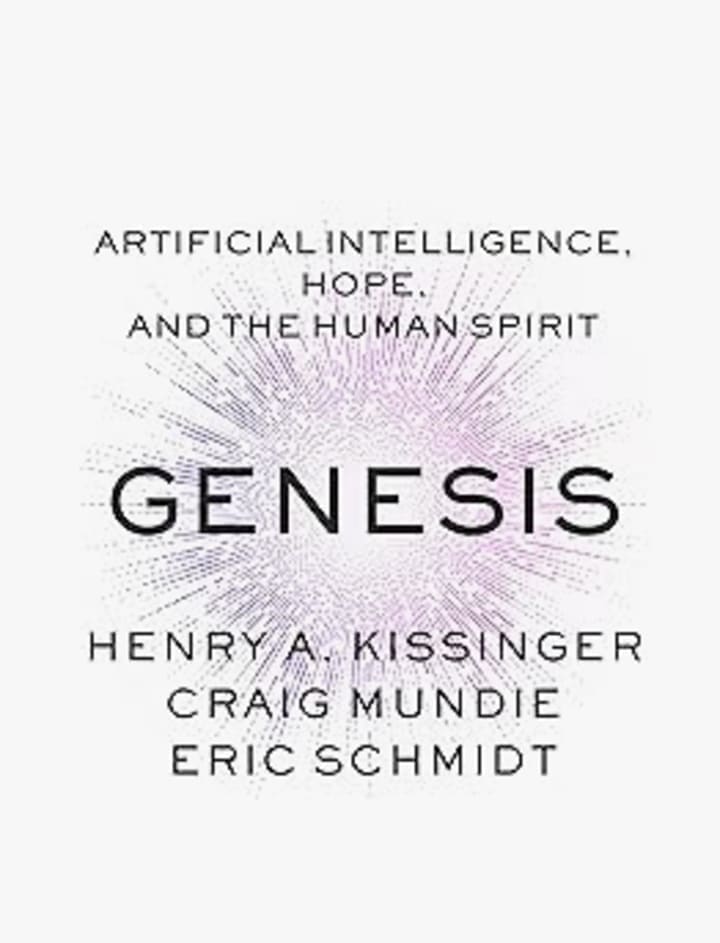
As Artificial Intelligence (AI) becomes more dynamic and ubiquitous, it is dramatically empowering people in all walks of life while also giving rise to urgent questions about the future of humanity—a historic challenge whose contours and consequences are revealed by three eminent thinkers in Genesis.
About the Author: With over a decade of experience as an internet product architect, I’ve spent my career crafting innovative application solutions that bridge technology and real-world needs. Now, as a passionate advocate for artificial intelligence, I focus on exploring its transformative applications. I’m committed to pushing the boundaries of AI to empower lives and shape a smarter future. Join me on this exciting journey as we uncover the endless possibilities of intelligent technology.
About the Creator
roc chiang
I'm a tech enthusiast and entrepreneur based in Vancouver. I share original articles on technology, business and other related topics on social media to showcase my passion and insights.
Editor-in-Chief:fengtou.ca
Keep reading
More stories from roc chiang and writers in Education and other communities.
AI in Smart Homes: Living the Future
Introduction The integration of artificial intelligence (AI) into smart home technology has transformed ordinary living spaces into intelligent environments that anticipate and adapt to our needs. This technological evolution is not merely about owning advanced gadgets but represents a fundamental shift in how we interact with our living spaces, making homes more convenient, efficient, and responsive to our daily lives.
By roc chiang10 months ago in Education
Major Real Estate Market Trends Defining the Modern Housing Landscape
The real estate market is undergoing steady, visible change. Buyers think differently. Sellers adjust their strategies. Investors watch new signals closely. These shifts affect prices, demand, and how homes are used. To stay informed, it helps to understand real estate market trends and why they matter today. This article explains the key movements shaping the market in clear, simple terms that are easy to read and follow.
By Michael O'Sullivan Hampton3 days ago in Education
Growing with Purpose: Smart Paths to a Sustainable Future
Green industry growth strategies are shaping how modern businesses plan for the future. Companies now see that caring for the planet can also support steady growth. This approach is not a trend. It is a long-term shift in how business works. Firms that act early often gain trust, reduce risk, and build stronger brands.
By Gary S Winemastera day ago in Education



Comments
There are no comments for this story
Be the first to respond and start the conversation.