
Agriculture problems in Pakistan
Agriculture
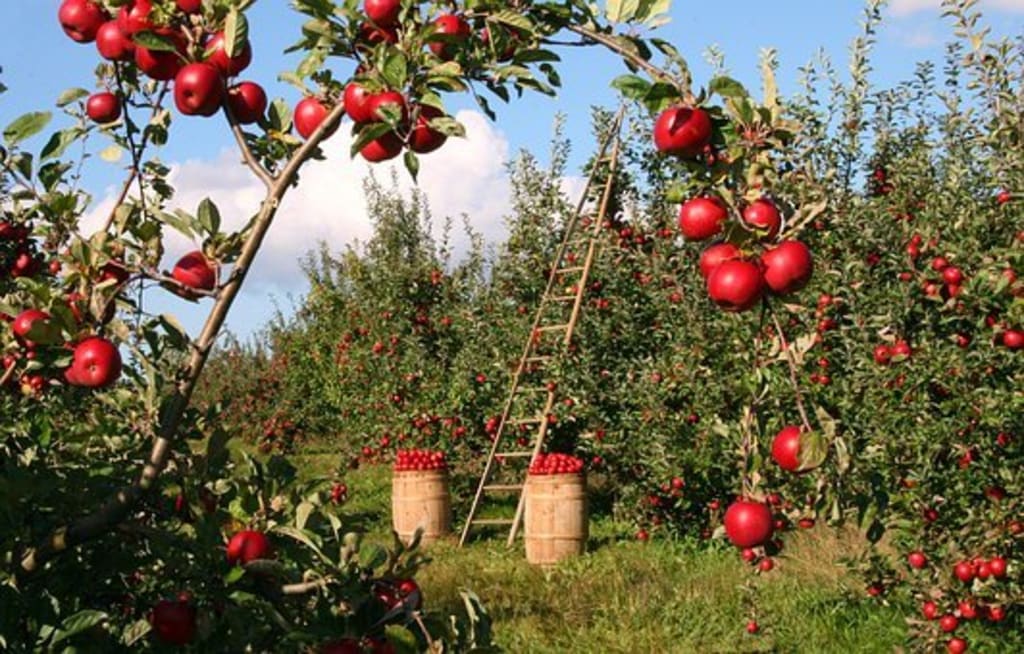
Pakistan's economy is primarily based on agriculture, which contributes to 24% of the country's gross domestic product (GDP). However, the agriculture sector is facing numerous challenges that are hindering its growth and development. In this essay, we will discuss the major agriculture problems in Pakistan.
Water Scarcity:
Pakistan is an agriculture-based country that relies heavily on water resources for irrigation. However, the country is facing an acute water crisis due to various factors such as poor management of water resources, climate change, and increasing population. According to a report by the Pakistan Council of Research in Water Resources (PCRWR), the country may run out of water by 2025. This water scarcity has a severe impact on agriculture as it reduces the amount of water available for irrigation, leading to lower crop yields and lower quality produce.
Soil Degradation:
Another major problem faced by agriculture in Pakistan is soil degradation. Due to excessive use of chemical fertilizers and pesticides, the soil's natural fertility is declining, which negatively impacts crop yields. Additionally, overuse of water in irrigation is also leading to soil salinity and waterlogging, which makes the land unsuitable for cultivation. This problem is further exacerbated by the lack of awareness among farmers about the importance of soil conservation practices.
Lack of Mechanization:
The majority of the agriculture in Pakistan is still practiced using traditional methods, which are labor-intensive and time-consuming. Farmers in Pakistan have limited access to modern farming equipment and technology, which hampers their ability to increase their yields and productivity. The government's efforts to promote mechanization in agriculture are limited, and many farmers cannot afford to invest in modern equipment, further exacerbating the problem.
Low Quality Seeds:
The use of low-quality seeds is also a significant challenge faced by agriculture in Pakistan. Most farmers use traditional seeds that have been passed down through generations, which are not genetically modified to withstand pests and diseases. These seeds have low yields and are prone to crop failure, leading to a significant loss of income for farmers. The government's efforts to promote the use of high-quality seeds have been limited, and there is a lack of awareness among farmers about the benefits of using genetically modified seeds.
Lack of Research and Development:
Pakistan's agriculture sector suffers from a lack of investment in research and development. The country's research institutions are underfunded and lack modern equipment and technology, which hampers their ability to conduct cutting-edge research. This lack of investment in research and development has resulted in a limited understanding of the challenges faced by agriculture in Pakistan and a lack of innovative solutions to these challenges.
Climate Change:
Climate change is also a major challenge faced by agriculture in Pakistan. The country is experiencing more frequent and severe weather events, such as floods, droughts, and heatwaves, which negatively impact crop yields. Additionally, climate change is altering the timing and amount of rainfall, leading to unpredictable growing seasons and reduced crop yields.
Lack of Infrastructure:
The lack of infrastructure, such as roads, storage facilities, and cold chains, is also a major challenge faced by agriculture in Pakistan. Farmers in remote areas have limited access to markets, which results in low prices for their produce. Additionally, the lack of storage facilities leads to post-harvest losses, as farmers are unable to store their produce properly. This lack of infrastructure also hampers the ability of farmers to access credit and insurance, which further limits their ability to invest in their farms and expand their operations.
In conclusion, the agriculture sector in Pakistan is facing numerous challenges that are hampering its growth and development. Water scarcity, soil degradation, lack of mechanization, low-quality seeds, lack of research and development, climate change, and lack of infrastructure are some of the major problems.
About the Creator
Keep reading
More stories from Muhammed Asim Shahzad and writers in Education and other communities.
Profitable Agriculture in Pakistan
Agriculture is a vital sector in Pakistan's economy, contributing to the livelihoods of millions of people and playing a crucial role in the country's food security. The sector employs approximately 40 percent of the country's workforce and accounts for around 20 percent of its Gross Domestic Product (GDP). However, despite its importance, the sector has not yet reached its full potential in terms of productivity and profitability. In this article, we will discuss some strategies that can help make agriculture more profitable in Pakistan.
By Muhammed Asim Shahzad3 years ago in Education
Critical College Application Mistakes That Lower Your Acceptance Odds
Applying to college is a pivotal step in shaping your future, and even strong students often make preventable mistakes that reduce their chances of getting accepted. Although the application process may feel complicated and time-consuming, avoiding common errors can significantly strengthen your overall profile. Eventually, understanding what admissions officers look for helps you create a more polished and compelling submission. While every applicant has unique strengths and challenges, developing a thoughtful approach ensures that the admissions success strategy supports your goals at every stage.
By Carmen Reid7 days ago in Education
The Logistics of Flavor Chile Food Delivery Revolution in 2026
Chile, a country of extremes and culinary delights, has experienced a deep digital transformation in the past few years. As we move through the world of 2026, the classic view of dining out in the bustling streets of Santiago or the colourful alleys of Valparaíso is being supplemented and, in many cases, replaced by a high-tech, high-speed food delivery system. What began as a convenience-driven niche has grown into a multi-billion-dollar backbone of the Chilean economy. With a tech-savvy middle class, an unprecedented explosion in mobile penetration, and an urban population that prizes time above almost everything else, the food delivery market in Chile is no longer simply about delivering a pizza to your doorstep; it is about a complex system of AI-powered logistics, cloud kitchens, and a new "On-Demand" lifestyle that is redefining the very fabric of Chilean society.
By Neeraj kumar4 days ago in Education
One Hard Thing
Stop me if you’ve heard this one before: You have the number, you know your schedule- you’ve even picked out the perfect day and time to make this appointment. Shoot, you’ve even picked out alternative days and times just in case their schedules can’t accommodate you!
By Taylor Rigsby7 days ago in Motivation


Comments
There are no comments for this story
Be the first to respond and start the conversation.