
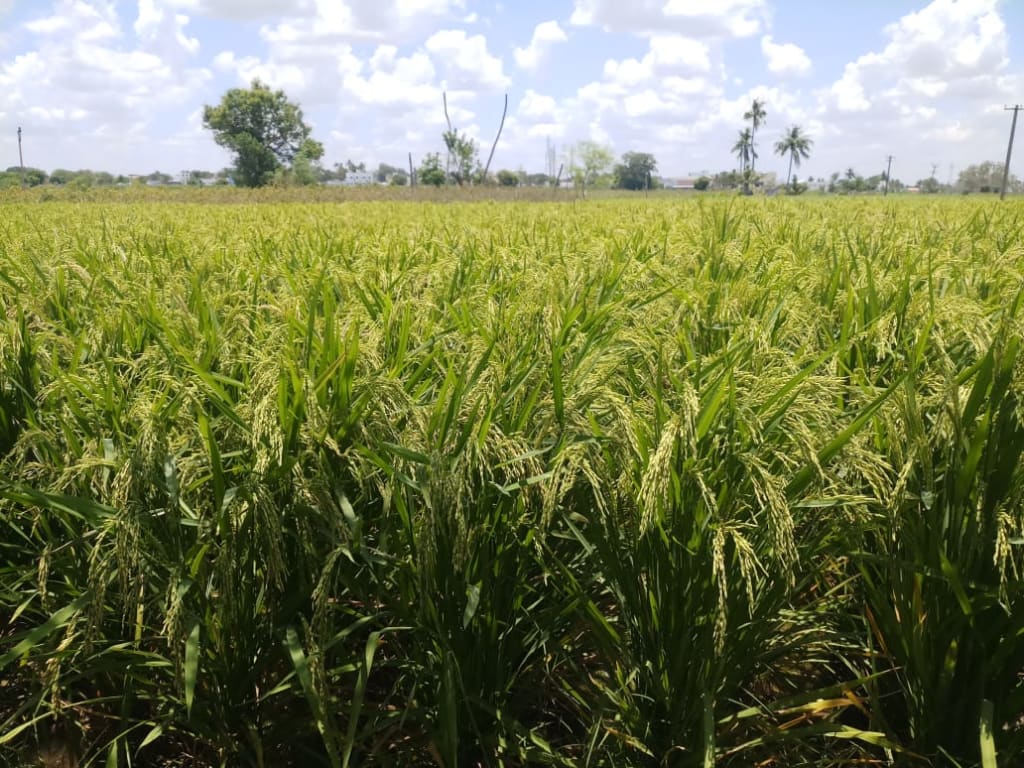
Paddy cultivation also known as ric farming, involves growing rice in flooded paddies or fields. The following are some common practices used in paddy cultivation:
1. Preparing the land: the field is leveled and prepared for planting by plowing, harrowing, and flooding.
2. Transplanting: Rice seedlings are transplanted by hand or machine into the flooded field.
3. Water management: Flooding and draining the field is essential for proper growth and development of the rice plants.
4. Fertilization: Paddy fields are fertilized with a combination of chemical fertilizers, organic matter and farmyard manure.
5. Pest and disease management: Pesticides and herbicides are used to control pests and diseases.
6. Harvesting: Rice is harvested when the plants are mature and the grains are fully developed.
7. Threshing and drying: The harvested rice is threshed to separate the grains from the straw and then dried to reduce the moisture content.
8. Milling: The dried rice is milled to remove the outer husk and polish the grain.
9. Storage: The milled rice is stored in a dry place to prevent spoilage.
In addition to to above mentioned practices, there are a few more steps that can be included in paddy cultivation. These include:
1. Irrigation: Rice requires a lot of water and irrigation is necessary to maintain the water level in the field.
2. Weeding: Weeding should be done regularly to remove unwanted plants that compete with the rice plants for nutrients and water.
3. Intercropping: Some farmers practice intercropping, where they grow other crops such as vegetables or legumes along with the rice.
4. Organic farming: Some farmers practice organic farming, where they use natural methods such as crop rotation, composting, and natural pest control methods to grow their crops.
5. Mechanization: In recent years, some farmers use mechanization in their paddy farming, like using tractors for tilling, transplanters for transplanting, and harvesters for harvesting.
6. Proper drainage: Proper drainage is essential to prevent waterlogging and to ensure that the rice plants receive the right amount of water.
Overall, paddy cultivation is a complex process that involves many different steps and practices. these practices can vary depending on factors such as the location, weather, and type of rice being grown. By following best practices and considering the above mentioned factors, farmers can improve the yield, quality and sustainability of their paddy crops.
Benefits of paddy cultivation:
1. Food security: Paddy is a staple food for over half of the worlds population, and its cultivation provides a reliable sources of food for millions of people.
2. Economic benefits: Rice farming is an important source of income for many farmers and rural communities.
3. Nutritional value: Rice is a good source of carbohydrates, and it is also a good source of thiamine, niacin, and iron.
4. Soil conservation: Paddy cultivation helps to conserve soil by preventing erosion and keeping the soil moist.
5. Biodiversity: Paddy fields provide habitats for a wide variety of aquatic and terrestrial wildlife, including fish, amphibians, birds, and insects.
6. Adaptability: Rice can be grown in a wide range of environments, from flooded lowlands to upland terraces and rainfed lowlands.
7. Climate resilience: Rice has the ability to adapt to changing weather conditions, making it a resilient crop that can be grown in a variety of climate conditions.
8. Sustainability: Modern farming practices such as SRI method can be used to make paddy cultivation more sustainable, reducing water usage and minimizing chemical inputs.
9. Job creation: Paddy cultivation creates jobs for a wide range of people, from farmers and laborers to millers, traders, and transporters.
Overall, paddy cultivation plays a vital role in food security, economic development, and environmental conservation.
About the Creator
Keep reading
More stories from writers in Education and other communities.



Comments
There are no comments for this story
Be the first to respond and start the conversation.