
Agricultural Engineering: Bridging Technology and Agriculture
Agricultural engineering makes field work easy

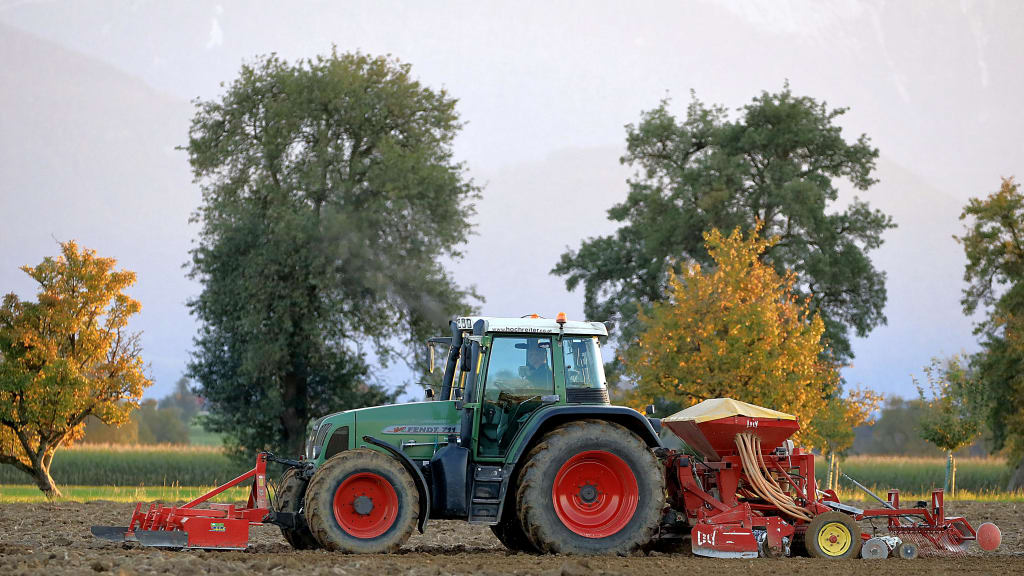
Agricultural engineering is a dynamic field that merges the principles of engineering with biological sciences to optimize agricultural practices. In the face of the challenges posed by climate change and a growing global population, it plays a crucial role in increasing food production, encouraging sustainable farming, and guaranteeing environmental protection.
What is Agricultural Engineering?
Agricultural engineering involves the design, development, and improvement of farming equipment, machinery, and processes. It also includes crop production, soil management, irrigation systems, and post-harvest technology. Agribusiness issues are addressed by mechanical, civil, electrical, and chemical engineers in this field. Important Subfields of Agricultural Engineering Farm Machinery and Power
Engineers design and develop advanced machinery like tractors, harvesters, and planters that improve efficiency and reduce labor. Automation and precision agriculture tools such as GPS and sensors are also transforming how farming is done.For thousands of years, agriculture has served as the foundation of human civilization, providing food, fiber, and raw materials. As global populations expand and environmental challenges become more pressing, the demand for efficient, sustainable, and innovative farming practices grows stronger. In order to meet these requirements, agricultural engineering—a multidisciplinary field that combines engineering, biology, and agricultural principles—plays a crucial role in revolutionizing modern farming.
Background in History Agricultural engineering has evolved significantly over time. Simple implements like plows and threshers revolutionized farming practices in the early days of mechanization. Tractors, combine harvesters, and other powered machinery became widely used during the Industrial Revolution. Computers and satellite systems began to assist in monitoring crop conditions and optimizing inputs like water and fertilizer in the 20th century, when precision agriculture was first developed. Today, agricultural engineers are at the forefront of integrating advanced technologies such as artificial intelligence (AI), drones, robotics, and the Internet of Things (IoT) into agricultural practices.
Agricultural Engineering Obstacles Despite its potential, agricultural engineering faces several challenges:
• Limited Access to Technology: Smallholder farmers, especially in developing countries, may lack access to modern tools and technologies due to cost or infrastructure issues.
• Concerns about the environment: Using machinery or irrigation in the wrong way can damage the soil, make it hard to get water, and pollute the environment.
• Skilled Labor Shortages: Professionals with interdisciplinary expertise are needed in the field, but there are frequently insufficient skilled agricultural engineers.
• Policy and Regulatory Barriers: Inconsistent agricultural policies and inadequate support for research and development hinder innovation
Soil and Water Engineering
This area focuses on soil conservation, irrigation, drainage systems, and water resource management. Agricultural engineers design irrigation systems that ensure optimal water use, critical for drought-prone areas.
Agricultural Structures and Environment
Engineers design facilities such as greenhouses, storage units, and animal shelters that enhance productivity while maintaining environmental control.
Food and Bioprocess Engineering
Systems for handling, storing, and processing food after it has been harvested are optimized to preserve its nutritional value, safety, and quality. This includes drying, milling, fermenting, and packaging.
Renewable Energy and Waste Management
Sustainable practices like converting agricultural waste into energy and biofuels, and managing farm waste effectively, are central to modern agricultural engineering.
Importance in Today’s World
Sustainability: Agricultural engineering supports eco-friendly practices by minimizing waste, conserving water, and reducing chemical use.
Food Security: It enables farmers to grow more with fewer resources, helping to feed a growing population.
Climate Resilience: Engineers develop technologies that help farmers adapt to unpredictable weather and changing climate patterns.
Economic Development: Mechanization and innovation increase productivity, leading to higher incomes and better livelihoods for farmers.
Trends in the Future of Agricultural Engineering Precision Agriculture: The use of drones, AI, IoT, and data analytics to monitor crops and optimize inputs. Smart farming is the application of automation and robotics to agricultural operations.
Climate-Smart Technologies: Innovations aimed at reducing agriculture’s carbon footprint.
Vertical and Urban Farming: Engineering solutions for food production in non-traditional spaces.
Conclusion
Agricultural engineering is vital for modernizing agriculture, ensuring sustainability, and securing food for future generations. The role of agricultural engineers in creating resilient and effective agricultural systems will only become more important as global challenges escalate.
About the Creator
Tanvir Hosain
I am a University student in Bangladesh studying in Agriculture major
Keep reading
More stories from Tanvir Hosain and writers in Education and other communities.
Agriculture in Everyday Life
Farmers tending to crops and animals, fields, and tractors are frequently associated with agriculture. While that image holds true, agriculture's presence in our daily lives goes far beyond the farm. It quietly supports nearly every aspect of our routines, from the food we eat to the clothes we wear and even the fuels we use. Without agriculture, modern life would look—and feel—very different.
By Tanvir Hosain10 months ago in Education
Life in the Ranks: The Overlooked Struggles of Military Service
Military life is often admired from a distance. The uniform, the discipline, and the mission all project a powerful image of strength. Yet, behind this image are real people facing real challenges. The structured lifestyle and constant state of readiness can be mentally and emotionally exhausting. Service members don’t just serve during deployments—they live a demanding reality every day, regardless of where they are stationed.
By Trish Schnabel2 days ago in Education
The Duelist
The rays of a dying red sun flashed against the onrushing blade. The grey beards say the key to dueling lies in size, speed, reach, righteous fury, whatever the person in front of them pays them to say. Matteo knew better than any it was none of these and had an undefeated record on these sands to prove it.
By Matthew J. Fromm3 days ago in Fiction




Comments (1)
Informative article and well written,goodluck