
Africa’s HIV Epidemic: The 10 Most Affected Countries and the Ongoing Fight for Prevention
A Continent’s Battle Against HIV and the Path to a Healthier Future

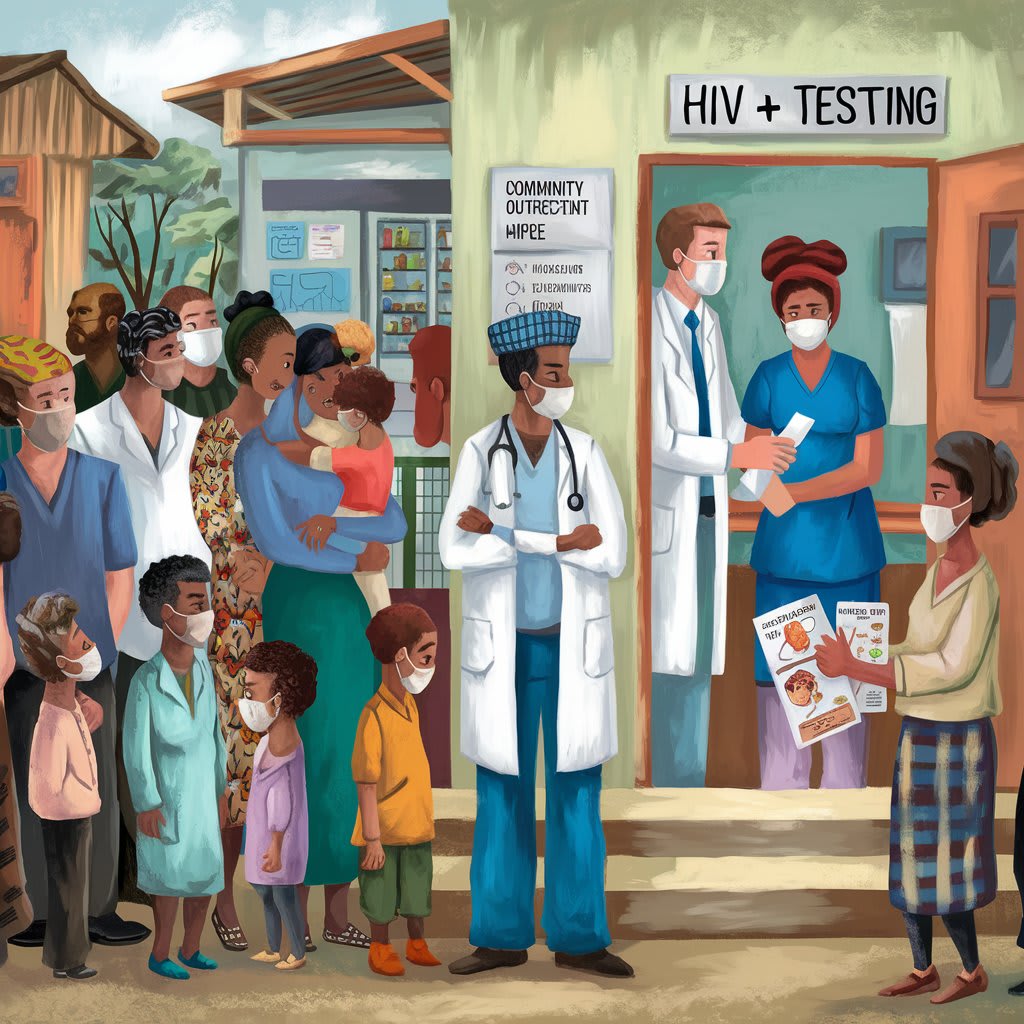
HIV/AIDS remains one of the most pressing public health challenges in Africa, affecting millions of people across the continent. Despite advancements in treatment and awareness, the virus continues to impact communities, particularly in sub-Saharan Africa, where infection rates are among the highest in the world. As of recent data, these are the top 10 African nations with the highest number of people living with HIV, highlighting the scale of the epidemic and the urgent need for effective interventions.
1. South Africa – The Epicenter of the Epidemic
South Africa leads the continent with the highest number of people living with HIV, estimated at around 7.7 million. Despite government efforts to expand antiretroviral therapy (ART) and awareness campaigns, the country faces challenges in addressing stigma, inequality, and access to healthcare in rural areas. However, South Africa also boasts one of the most extensive HIV treatment programs in the world, offering hope to millions.
2. Mozambique – A Growing Crisis
Mozambique ranks second, with approximately 2.4 million people living with the virus. The country struggles with inadequate healthcare infrastructure and limited access to essential HIV prevention services. Widespread poverty, lack of education, and gender-based violence contribute to the high infection rates, making it crucial for international organizations and local authorities to enhance outreach programs.
3. Nigeria – A Silent Epidemic
Nigeria, Africa’s most populous nation, has about 1.8 million people affected by HIV. The sheer size of the country presents logistical challenges in managing the epidemic. Cultural stigma and misinformation often prevent people from seeking early testing and treatment, resulting in continued transmission. Strengthening healthcare services and education about the virus are key strategies in reducing new infections.
4. Tanzania – The Struggle for Awareness and Treatment
Tanzania reports an estimated 1.7 million individuals living with HIV. The government has made significant strides in providing free ART to those diagnosed, but deep-rooted cultural beliefs and discrimination still hinder progress. In rural communities, many people lack access to healthcare facilities, underscoring the need for mobile clinics and community-based interventions.
5. Kenya – Expanding Prevention Programs
With around 1.5 million people living with HIV, Kenya has invested heavily in public health initiatives to combat the disease. Programs promoting safe sex, male circumcision, and mother-to-child transmission prevention have made a significant impact. However, gaps in treatment access remain, particularly among marginalized groups such as sex workers and LGBTQ+ communities.
6. Uganda – A Historical Battleground
Uganda was once lauded for its aggressive anti-HIV campaigns in the early 2000s. Today, approximately 1.5 million people in the country live with the virus. Despite previous successes, recent years have seen a resurgence in infections, prompting renewed efforts in prevention education and the distribution of pre-exposure prophylaxis (PrEP) medication.
7. Zimbabwe – Facing Economic and Health Crises
Zimbabwe has about 1.4 million individuals affected by HIV. Political instability and economic hardships have made access to consistent healthcare services a major challenge. The country, however, continues to receive international support, with organizations such as the Global Fund assisting in providing life-saving treatment.
8. Zambia – The Role of Community Initiatives
Zambia, with an estimated 1.2 million people living with HIV, has witnessed progress through community-driven awareness programs. Grassroots organizations play a critical role in educating young people about safe sex and reducing stigma associated with the virus. Increased condom distribution and youth-friendly health services have contributed to slowing new infections.
9. Malawi – Breaking the Silence
Malawi has approximately 1.1 million people living with HIV. The country has focused on increasing HIV testing and treatment services, but challenges such as poverty and limited rural healthcare facilities persist. Programs aimed at empowering women and girls have helped reduce transmission rates, as gender inequality is a key factor driving new infections.
10. Ethiopia – Prevention Overcoming Barriers
Ethiopia, with about 670,000 people affected by HIV, has a relatively lower prevalence rate compared to other countries on this list. However, challenges such as conservative social norms and reluctance to discuss sexual health openly have slowed progress. Government-led education campaigns and partnerships with non-governmental organizations (NGOs) aim to change perceptions and encourage testing and treatment.
Key Factors Contributing to HIV Prevalence in Africa
Several underlying factors contribute to the high rates of HIV in these countries:
1. Limited Access to Healthcare: Many affected individuals live in rural areas where medical services are scarce.
2. Cultural and Social Stigma: Fear of discrimination discourages people from getting tested and seeking treatment.
3. Poverty and Economic Instability: Financial hardships prevent people from accessing healthcare, education, and nutritious food, all of which impact HIV prevention and management.
4. Gender Inequality: Women and girls are disproportionately affected due to lack of education, economic dependence, and exposure to gender-based violence.
5. Lack of Comprehensive Sex Education: Many young people do not receive proper education on safe sex practices, leading to increased rates of new infections.
The Path Forward: Strategies to Combat HIV in Africa
Addressing the HIV epidemic requires a multi-faceted approach:
• Expanding HIV Testing and Early Diagnosis: Encouraging routine testing can help detect cases early and link individuals to treatment.
• Enhancing Treatment Accessibility: Governments and NGOs must work together to ensure life-saving ART is available to all who need it.
• Strengthening Education Programs: Comprehensive sex education in schools can empower young people with knowledge about prevention.
• Investing in Women’s Health and Rights: Empowering women through education and economic opportunities can reduce their vulnerability to HIV.
• Reducing Stigma: Community-led initiatives to normalize conversations around HIV can encourage more people to seek testing and treatment without fear of discrimination.
Hope for the Future
While HIV remains a significant challenge in Africa, progress is being made through medical advancements, policy improvements, and community-driven efforts. With sustained investment in healthcare, education, and social change, the continent can move towards a future where HIV is no longer a leading cause of suffering.
The fight against HIV is far from over, but every effort counts. By raising awareness, supporting affected individuals, and prioritizing prevention strategies, Africa can turn the tide on this epidemic and create a healthier, more hopeful future for all.
About the Creator
Mercy Muthui
mercy muthui – Writer | Researcher
Welcome to my Vocal Media space! I’m a passionate writer focused on global health, human rights, and social issues. Let’s learn, share, and make an impact together!
📩 Open to collaborations—let’s connect!
Keep reading
More stories from Mercy Muthui and writers in Education and other communities.
Exercises Expands Calorie Consume — However Most likely Not however much You Think
When the majority of us leave on a wellness venture, perhaps the earliest thing that strike a chord is weight reduction. Furthermore, with weight reduction frequently comes the conviction that heading out to the exercise center, going for runs, or taking wellness classes will prompt a sensational calorie consume and, thusly, a slimmer figure. While practice certainly has numerous medical advantages, the amount it adds to weight reduction is frequently misjudged. Actually, while practice assists you with consuming calories, the numbers probably won't be basically as amazing as you trust — and different elements play a similarly while possibly not more, huge job in arriving at your wellness objectives.
By Mercy Muthui12 months ago in Education
Designing a Meaningful Future: Strategic Planning for Mission-Focused Entrepreneurs
In today’s evolving business landscape, entrepreneurs are increasingly motivated by more than financial success. Many are building companies around a mission to create social, environmental, or community-driven impact. While passion and vision ignite these ventures, strategic planning transforms purpose into a lasting, scalable business. For mission-focused entrepreneurs, planning is not about restriction but about clarity, alignment, and sustainable growth.
By Mario Payne2 days ago in Education
Why Did Einstein Dislike Quantum Mechanics? The Greatest Scientific Disagreement Ever
Einstein Helped Create Quantum Mechanics It is often forgotten that Einstein was a pioneer of quantum physics. In 1905, Einstein proposed that light comes in discrete packets called photons. This explained the photoelectric effect and earned him the Nobel Prize. His work was one of the pillars of quantum theory.
By shahkar jalal6 days ago in Education
Wild Card Weekend Recap: What Happens Now?
I think I figured out why I love Wild Card Weekend so much. It's because it's the first playoff anything of the calendar year. The NFL season starts in the fall, and once upon a time, the champion was crowned either on or slightly before New Year's. The evolution of the NFL schedule has resulted in the playoffs starting just into the New Year, and currently, the final week of the season falls on the first weekend of the New Year, with Wild Card Weekend coming a week after that. So yes, chronologically, the NFL's Wild Card Weekend serves as the first playoff anything of the calendar year.
By Clyde E. Dawkins6 days ago in Unbalanced




Comments (1)
I hope they fix the epidemic! Great work