
Aamlki Ekadashi: A Sacred Union of Nature, Fasting, and Devotion
Amla and Aamlki Ekadashi: A Festival of Health and Spirituality

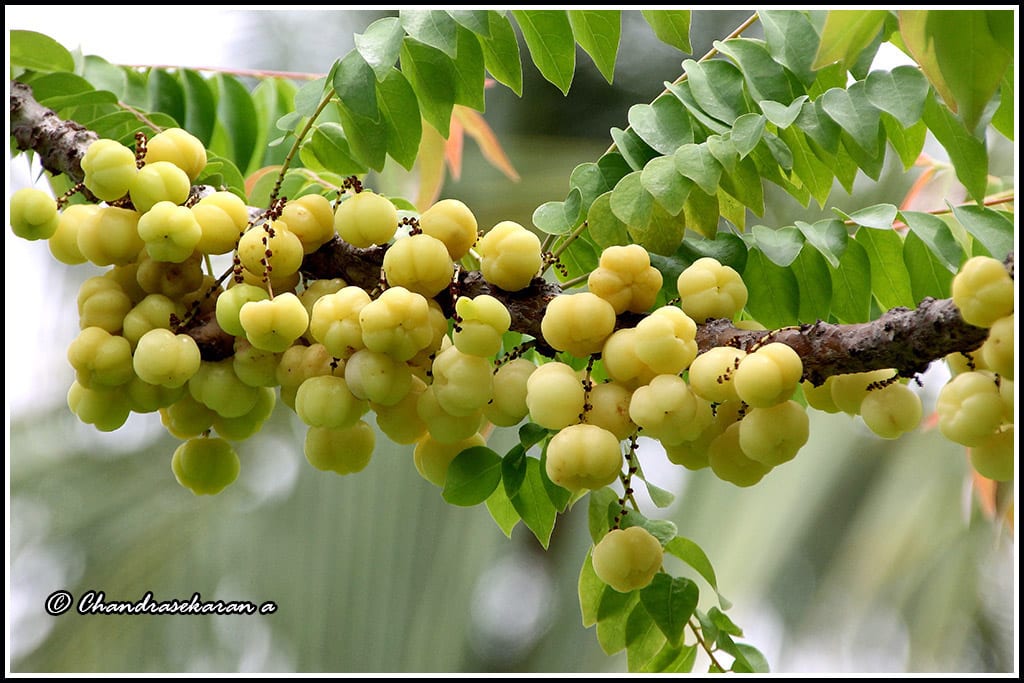
A Day of Fasting, Healing, and Spiritual Awakening
Hindu festivals are much more than religious observances—they are scientific, cultural, and deeply philosophical traditions designed to enhance human well-being. One such festival, Aamlki Ekadashi, falls on March 10, 2025, and is dedicated to Lord Vishnu and the sacred amla tree (Indian gooseberry, Phyllanthus emblica).
Aamlki Ekadashi is often misunderstood as a religious ritual with no tangible benefits, but it actually represents an ancient understanding of health, nature, and spiritual transformation. The combination of fasting, devotion, and reverence for the amla tree makes this festival a perfect example of how Hindu traditions incorporate scientific principles into daily life.
As we explore this sacred day, we’ll uncover its mythological origins, fasting benefits, and scientific significance, demonstrating why Aamlki Ekadashi remains relevant and powerful in the modern world.
The Legend of Aamlki Ekadashi: King Chitraratha’s Transformation
Hindu scriptures, especially the Brahmanda Purana, narrate a fascinating tale about Aamlki Ekadashi. The story follows King Chitraratha, a just and noble ruler who longed for spiritual merit. He sought the guidance of Sage Vasishtha, who advised him to observe Aamlki Ekadashi through fasting, prayer, and devotion to Lord Vishnu.
On this auspicious day, the king gathered his people near a Vishnu temple, where a majestic amla tree stood. They fasted, meditated, and offered water to the tree's roots, symbolizing their connection to nature and the divine. Throughout the night, they engaged in bhajans (devotional songs) and recitations of Vishnu’s names, deepening their spiritual consciousness.
A hunter passing through the temple unknowingly took part in the fast simply by being present and refraining from food. The next morning, he felt an inexplicable shift in his life. Over time, he ascended to a position of great power and became a noble king, emphasizing the belief that even unintentional acts of devotion can transform a person’s destiny.
This legend teaches a profound lesson: when we align with nature, maintain discipline, and focus on spiritual growth, positive transformations occur. The amla tree, central to the festival, is not just a sacred symbol—it is a powerhouse of nutrition and healing.
The Scientific Benefits of Amla and Fasting on Ekadashi
The scientific wisdom behind Aamlki Ekadashi is remarkable. Ancient Hindu sages were keen observers of nature and incorporated health-enhancing practices into religious traditions.
1. Amla: A Nutritional Powerhouse
Amla has been revered for thousands of years in Ayurveda for its healing properties. Modern science has confirmed its benefits, proving that amla is:
• One of the richest sources of Vitamin C (up to 600 mg per 100g), strengthening the immune system.
• A potent antioxidant, helping to neutralize free radicals and slow aging.
• A natural detoxifier, supporting liver health and digestion.
• A heart and brain booster, reducing cholesterol and enhancing cognitive function.
The Charaka Samhita (an ancient Ayurvedic text from 1000 BCE) praised amla for its antibacterial, anti-inflammatory, and rejuvenating properties. Today, modern medicine agrees, validating the ancient wisdom that identified amla as a superfruit long before Western science did.
2. The Benefits of Ekadashi Fasting
The fasting ritual of Aamlki Ekadashi is another example of ancient science being ahead of its time. Abstaining from grains and heavy foods on this day aligns with modern intermittent fasting principles, which have been proven to:
• Boost metabolism and improve digestion
• Enhance cognitive clarity and reduce mental fog
• Support cellular repair and longevity
• Reduce inflammation and improve heart health
Fasting on Ekadashi days aligns with the lunar cycle, which was well understood by ancient sages. They recognized that the body's energy shifts during different moon phases, and fasting on Ekadashi helped restore balance, reducing stress and enhancing mental focus.
Additionally, chanting Vishnu’s mantras during this time has been found to calm brain waves and reduce anxiety, similar to modern mindfulness and meditation techniques.
Rituals and Observances of Aamlki Ekadashi
Aamlki Ekadashi is a day of simplicity, devotion, and deep connection with nature. The festival is observed in the following ways:
• Early Morning Bath – Devotees begin the day with a purifying bath, symbolizing renewal of body and mind.
• Offerings to the Amla Tree – Water, flowers, and prayers are offered to the sacred amla tree, acknowledging its divine and medicinal significance.
• Fasting – Most devotees avoid grains and eat only fruits, amla-based foods, or light meals, helping the body detox.
• Devotional Singing & Prayers – Families gather to sing bhajans, recite Vishnu’s names, and listen to scriptures, fostering a sense of spiritual community.
• Jagran (Night Vigil) – Many stay awake all night in prayer, chanting, and storytelling, reinforcing discipline and devotion.
These practices are not just religious rituals—they are scientifically designed techniques that promote health, mindfulness, and spiritual evolution.
The Relevance of Aamlki Ekadashi in Modern Times
Despite rapid modernization, Hindu traditions like Aamlki Ekadashi continue to thrive because they are deeply rooted in timeless wisdom. This festival is not just about faith—it’s about understanding the intricate relationship between nature, health, and spirituality.
In an era where people struggle with stress, poor diet, and mental fatigue, Aamlki Ekadashi serves as a reminder that true wellness is holistic—it combines fasting, self-discipline, devotion, and respect for nature.
Ancient Hindu sages did not separate science from spirituality—they integrated both seamlessly into daily life. Aamlki Ekadashi is a prime example of this fusion of health, tradition, and divine consciousness.
As we prepare to observe Aamlki Ekadashi in 2025, let’s reflect on its deeper meaning:
• To honor nature and its healing gifts
• To cleanse the body and nourish the soul
• To cultivate inner peace and discipline
Will you be observing Aamlki Ekadashi this year? Share your thoughts and experiences in the comments below!
Read More Here:
https://hinduinfopedia.org/aamlki-ekadashi-a-day-of-amla-fasting-and-timeless-insight/
About the Creator
Jai Kishan
Retired from a career as a corporate executive, I am now dedicated to exploring the impact of Hinduism on everyday life, delving into topics of religion, history, and spirituality through comprehensive coverage on my website.
Keep reading
More stories from Jai Kishan and writers in Education and other communities.
Vedic Rituals: A Timeless Science Hub
Introduction Hindu rituals are often dismissed as superstition, but they form a vibrant science hub rooted in ancient wisdom. From the purifying fires of yagna to the genetic foresight of gotra checks, these practices encode practical truths about health, cosmology, and human psychology. The blog Science Hub Rituals: Vedic Truths Unveiled - No Myth on HinduinfoPedia unravels this scientific core, showing how Vedic samskaras are not mere traditions but frameworks for living in harmony with the universe. This post explores the enduring relevance of these rituals, inviting readers to dive deeper into their scientific foundations at HinduinfoPedia.
By Jai Kishan8 months ago in Education
Your phones camera isn't as good as you think
When the Visualphone VP210 hit the market in 1999, it advertised a never-before-seen feature: a camera. With only 0.11 megapixels and storage for 20 photos, the Visualphone is a relic compared to modern devices sporting three distinct cameras, each with up to 100 times more resolution. But while this technology has improved dramatically in the 21st century, engineers are rapidly approaching a hard limit on phone camera quality. To understand this limit, we first need to know how phone cameras work.
By Munesh Yadava day ago in Education




Comments
There are no comments for this story
Be the first to respond and start the conversation.