
A Guide on How to Install a Window in a Shipping Container
Learn how to install a window in a shipping container with this step-by-step guide. Enhance light, airflow, and comfort for your space.


Shipping containers are increasingly being repurposed for a wide range of uses, including homes, offices, storage units, and more. As people transform these containers into livable or functional spaces, one of the most important upgrades they often seek is the addition of windows. Windows not only bring in much-needed natural light, which brightens up the interior, but they also significantly improve ventilation. This is especially important in shipping containers, as it helps regulate temperature and humidity levels, creating a more comfortable and breathable environment for everyday use.
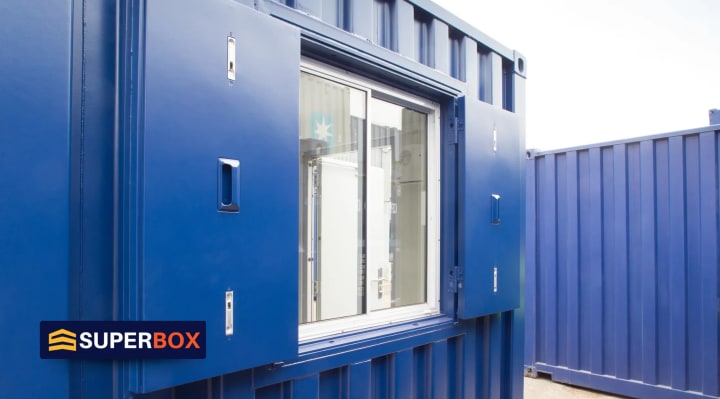
Why Install Windows in a Shipping Container?
Shipping containers are durable and secure, but they are mainly designed for transporting goods, not for living or working in. Adding windows is a crucial step in making a container more livable. They bring several benefits that improve the container’s overall functionality, comfort, and look. Here's why windows are an essential addition to any shipping container.
1. Natural Light
A significant advantage of having windows is that they let in natural light. Without windows, shipping containers can be dark and rely on artificial lighting. Adding windows brightens the space, making it feel more open and less cramped.
Comfort: Natural light makes the space more pleasant and comfortable. It transforms the container from a dark box into a livable space.
Energy Savings: With natural light coming in through the windows, you don’t need to use electric lights as much, which can lower energy costs.
2. Better Ventilation
Shipping containers can trap heat and humidity, making them uncomfortable to be in. Windows are essential for letting fresh air into the container, especially if you choose windows that can open, like sliding or casement windows.
Fresh Air: Windows help keep the air fresh by allowing it to circulate throughout the space, which is important if you're spending a lot of time in the container.
Temperature Control: In warmer areas, windows help cool down the container by improving airflow, preventing it from getting too hot.
3. Aesthetic Value
Adding windows makes the container look more inviting and attractive. It changes the container from a simple metal box into a functional, pleasant space.
Customization: There are many different types of windows to choose from, including sliding, casement, and fixed windows. This allows you to customize the look of the container to fit your style.
Visual Appeal: Windows also lets you enjoy the view outside, whether it’s a garden, a forest, or a city skyline, which makes the container feel more connected to its surroundings.
4. Connection to the Outdoors
Windows provides a link to the outside world, making the container feel less isolated.
Scenic Views: If your container is in a beautiful location, windows allow you to enjoy the views from inside, bringing the outdoors in.
Natural Beauty: Having windows means you can experience the beauty of your surroundings without leaving the container, whether it’s nature or urban scenery.
5. Increased Value
If you plan to sell or rent out the container later, adding windows can make it much more attractive to potential buyers or renters. A container with windows is much more appealing and livable than one without.
Wider Appeal: Containers with windows are more attractive to people who want a comfortable space to live or work in. Adding windows makes the container feel more like a home or office.
Better Functionality: Windows improves the container’s functionality by providing light and airflow, which makes it more comfortable and usable. This increases its value.
6. Privacy and Security
Adding windows doesn’t necessarily mean sacrificing privacy or security. When installed thoughtfully, windows can enhance both.
Strategic Placement: You can place windows in areas that are harder for outsiders to see, such as higher up on the walls, or you can choose frosted glass to prevent people from seeing inside.
Security Features: Many windows come with built-in security features like reinforced glass or locks, which keep the container safe while still allowing natural light and ventilation.
7. Building Code Compliance
In some areas, installing windows is necessary to meet building codes and safety requirements, especially if the container will be used as a living or working space.
Fire Safety: Building codes in many places require windows to provide an escape route in case of a fire. This is especially important for containers that will be used as homes or offices.
Health and Safety: Windows are often needed to ensure proper ventilation and natural light, both of which help maintain a healthy and safe environment inside the container.
8. Versatility
Windows are highly versatile and can be customized to fit your specific needs. You can choose from different shapes, sizes, and styles depending on the function of your container and your preferences.
Tailored to Your Needs: Whether you're turning the container into a home, office, or workshop, you can choose windows that match your needs.
Energy-Efficient Options: If you live in an area with extreme temperatures, you can opt for energy-efficient windows that help regulate the container’s temperature, keeping it cooler in the summer and warmer in the winter. This can reduce the need for heating and cooling systems.

Types of Windows for Shipping Containers
There are many different types of windows to choose from when installing them in a shipping container. The type you choose will depend on your preferences, how you plan to use the container, and how much insulation or security you need.
- Sliding Windows: These are great for small spaces because they don’t need extra room to swing open. They provide good ventilation while staying compact.
- Casement Windows: These open outward like a door and are ideal if you want a large opening for fresh air.
- Fixed Windows: These windows are great for letting in light without needing to open. They’re often combined with other window types for variety.
- Louvered Windows: These adjustable windows let you control how much air enters the container. They’re perfect for places that need continuous ventilation.
- Double-Hung Windows: These slide up and down, making them a popular choice for homes and offices.
Each window type has its advantages, so think about your container’s purpose and choose the one that works best for you.

Tools and Materials You’ll Need
Installing a window in a shipping container is a manageable project, but you’ll need the right tools and materials to do the job properly. Here’s a list of what you’ll need:
- Measuring Tape
- Pencil or Chalk
- Level (to ensure the window is installed straight)
- Jigsaw or Reciprocating Saw (to cut through the container wall)
- Metal Drill Bits (for drilling through steel)
- Steel Frame or Window Frame
- Window
- Screws and Fasteners
- Silicone Sealant (for waterproofing)
- Angle Grinder (optional, for smoother cuts)
- Welding Equipment (optional, for added reinforcement)
- Safety Gear (gloves, safety glasses, ear protection, and steel-toe boots)
Preparing the Container for Window Installation
Before installing the window, you need to get the container ready. Here’s how:
Choose the Location: Decide where you want to install the window. Think about where you’ll get the most benefit from natural light and ventilation.
Measure the Area: Use a measuring tape to figure out the size of the window. Mark the area on the container wall with a pencil or chalk.
Check Structural Integrity: Make sure the area you’re cutting into isn’t a load-bearing section of the container. If you’re not sure, ask a professional.
Once the area is prepared, you can begin cutting.
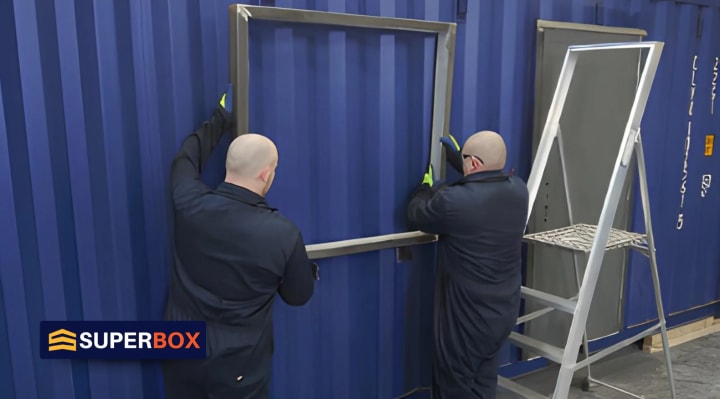
Step-by-Step Guide to Installing a Window in a Shipping Container
Step 1: Mark and Cut the Opening
- Mark the Dimensions: Use your measuring tape and pencil to mark the dimensions of the window on the container wall. Double-check the measurements to ensure accuracy.
- Drill Holes at the Corners: Drill small holes at each corner of the window’s frame to guide your saw.
- Cut the Opening: Use a jigsaw or reciprocating saw to cut along the marked lines. Cut slowly to ensure a clean, straight cut. If needed, use an angle grinder for a smoother finish.
Step 2: Reinforce the Opening
After cutting the hole, reinforce the edges to maintain the container’s structure.
- Install a Steel Frame: Add a steel frame around the window opening for extra support. This helps keep the container strong and makes the window secure.
- Weld the Frame (Optional): If you know how to weld, you can reinforce the frame by welding it in place. This step isn’t necessary but can add extra strength.
Step 3: Install the Window Frame
Now it’s time to put the window frame in place.
- Position the Frame: Place the window frame in the opening to make sure it fits properly.
- Secure the Frame: Use screws or fasteners to secure the frame in place. Ensure it’s level and square.
- Seal the Edges: Once the frame is secure, apply silicone sealant around the edges to make it weatherproof.
Step 4: Install the Window
Finally, install the window itself.
- Insert the Window: Slide the window into the frame, ensuring it fits snugly.
- Secure the Window: Depending on the type, you may need to screw or latch the window into place.
- Test the Window: Open and close the window to make sure it works correctly. If it’s a sliding window, check the sliding mechanism to ensure it moves smoothly.
Tips for Installing Windows Safely
To ensure a safe installation, follow these tips:
- Wear Protective Gear: Always wear gloves, safety glasses, and ear protection when cutting or welding.
- Check for Hazardous Materials: If the container has been used to carry chemicals or dangerous substances, make sure the area is well-ventilated before you start cutting.
- Use Proper Tools: Make sure your tools, like saw blades and drill bits, are designed for cutting through steel.
Common Mistakes to Avoid
When installing windows in a shipping container, it's important to avoid the following mistakes:
- Incorrect Measurements: Always take extra care when measuring the window opening. Mistakes in measurement can lead to a poorly fitting window, which may compromise both aesthetics and functionality. Double-check all measurements before cutting the metal to ensure the window fits perfectly.
- Skipping Reinforcement: Cutting through the metal of the shipping container weakens its structural integrity. It's crucial not to skip the step of reinforcing the edges of the window opening. Adding a steel frame or welding reinforcement around the cut area helps maintain the container's strength and ensures that the window is securely installed.
- Neglecting Weatherproofing: Failing to properly seal the window can lead to leaks and rust over time. Be sure to apply silicone sealant around the window frame to make it weatherproof. This will help protect the container from the elements and prevent potential water damage. Proper sealing is essential for ensuring the longevity and safety of the installation.
Conclusion
Installing windows in a shipping container enhances its comfort and functionality by allowing natural light and fresh air to flow in. This simple upgrade makes the space more inviting, energy-efficient, and better ventilated. Whether for a home, office, or workshop, windows improve the container's livability and appeal.
With proper planning, the right tools, and attention to detail, you can easily install windows that add both practical and aesthetic value. By following the steps carefully and avoiding common mistakes, your shipping container will become a more comfortable and functional space.
SuperBox: Upgrade Your Shipping Container with Windows
Looking to enhance your shipping container with windows to bring in more natural light and improve airflow? At SuperBox, we specialize in adding windows to our top-quality shipping containers, tailored to fit your needs.
Whether you're converting your container into a cozy home, a functional office, or a spacious storage area, our windows will significantly improve the comfort, functionality, and overall atmosphere of your space. With a variety of window options to choose from, we’ll help you find the perfect fit for your project.
Ready to take your container to the next level? Contact us today at 1-866-696-9269, and our team will be happy to assist you in upgrading your container with the ideal windows for your needs!
About the Creator
SuperBox Shipping Containers
SuperBox offers a wide range of standard and high cube shipping containers for sale, modular containers, and custom-built solutions. Call us now for a free quote!
Keep reading
More stories from SuperBox Shipping Containers and writers in Education and other communities.
A Quick Guide to Shipping Container Car Storage
As car owners, we all know how important it is to keep our vehicles in good condition. Whether you’re protecting a classic car, storing your everyday vehicle for the winter, or just need more space in your garage, finding the right storage option is key. Shipping container car storage has become a popular choice because it’s affordable, secure, and flexible. In this guide, we’ll explain what shipping container car storage is, why more people are choosing it, and how you can make the most of it.
By SuperBox Shipping Containersabout a year ago in Education


Comments
There are no comments for this story
Be the first to respond and start the conversation.