
9 Decision Points That Signal It’s Time for Edge Computing
Edge computing is a distributed computing approach that processes data closer to where it is generated, reducing latency and improving real-time performance.

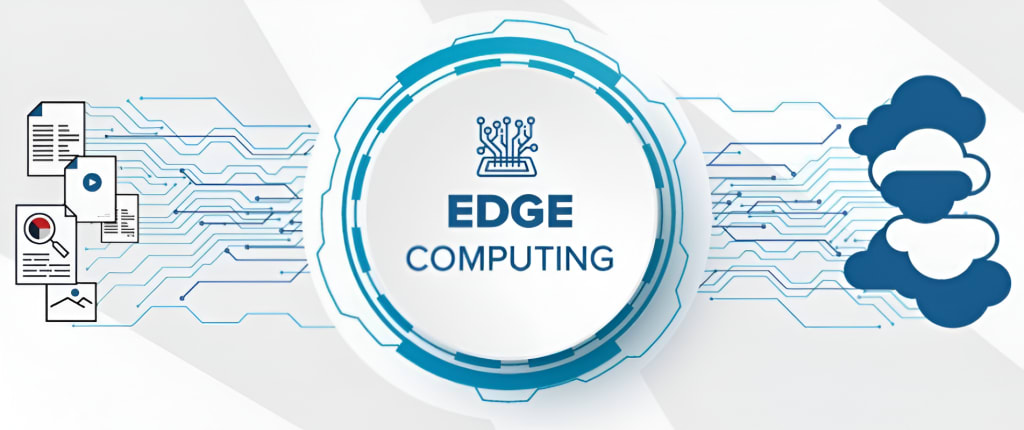
Moving data to the cloud felt like the perfect solution for years. Companies loved the central control and the massive storage space. Times are changing fast, though. Now we generate more data at the source than ever before. Sending every single byte to a distant server creates massive bottlenecks. You feel the lag when your smart factory slows down. You see the costs rise as your bandwidth bills skyrocket. This is where edge computing enters the picture. It brings the processing power right to where the action happens. Deciding when to make this jump can feel overwhelming for many leaders. You need clear signs to guide your strategy.
Here are nine critical decision points that signal your business needs edge computing today.
1. Speed Matters Most
Waiting for data to travel across the globe ruins the user experience. You cannot afford a three-second delay when a self-driving car needs to brake. This lag is called latency. It happens because data physically travels through cables and switches. This is where Edge computing cuts this distance down to almost zero, processing time-sensitive data locally to deliver millisecond-level response speeds that centralized cloud systems simply cannot match.
Your systems react in real-time without waiting for a cloud response. This speed keeps your customers happy and your machines running smoothly.
Speed alone is great, but it also impacts your bottom line. High latency leads to abandoned shopping carts and broken industrial workflows.
2. Taming the Data Deluge
Modern sensors produce mountains of information every single second. Sending all that raw data to the cloud wastes precious resources. Most of that data is actually just "noise" that you do not need to store forever. Edge devices can filter this information locally first. They only send the important alerts or summaries to your main database. This keeps your network clean and your storage costs under control.
- Smarter Local Filtering
Local devices act like a smart gatekeeper for your business network. They process the heavy lifting on-site so your bandwidth stays open for vital tasks. This approach prevents network congestion during peak hours of operation.
- Intelligent Batching Methods
You can also program these devices to send data in small batches at night. This reduces the strain on your internet connection during busy work days. It turns a chaotic flood of data into a steady and manageable stream.
3. Locking Down Your Privacy
Privacy laws get stricter every year across the entire world. Moving personal data across borders can lead to massive legal headaches. Edge computing keeps sensitive information within your own four walls. You process the private details locally and never send them over the open internet. This reduces the risk of a massive data breach during transit. It gives you total control over your most valuable digital assets.
Keeping data local solves the privacy puzzle, but it also helps when the internet fails. You need a system that stays upright even when the outside world goes dark.
4. Reliability During Internet Outages
Cloud-only systems turn into expensive paperweights when the internet goes down. Your business stops cold if your connection to the provider flickers for a minute. Edge computing provides a safety net for your most critical operations. The local hardware keeps running the essential logic even without a web connection. Your assembly line keeps moving, and your doors stay unlocked. You gain a level of independence that the cloud simply cannot offer.
Reliability is a massive win for your peace of mind and your reputation. This independence also helps you manage the rising costs of digital infrastructure.
5. Cutting Your Bandwidth Bills
Internet service providers charge a premium for high-speed data transfers. Pushing terabytes of video footage to the cloud every month gets expensive fast. Edge computing reduces the amount of data leaving your facility significantly. You process the video locally and only upload the relevant clips or metadata. This shift can save your company thousands of dollars every single year. You spend less on pipes and more on actual business growth.
Saving money on bandwidth allows you to scale your operations much faster. As you grow, you will find that some locations simply lack the infrastructure for cloud-scale work.
6. Connecting the Unreachable Places
Not every job site sits next to a high-speed fiber optic line. Remote mines or offshore oil rigs struggle with very poor connectivity. Traditional cloud services perform terribly in these isolated environments. Edge computing brings the data center to the middle of nowhere. You get high-tech performance in places that barely have a cell signal. It levels the playing field for your remote teams and assets.
Remote connectivity is a game-changer for global industries like shipping and energy. Once you have the power on-site, you can start using advanced tools like artificial intelligence.
With more businesses moving towards edge computing, the market is continuously rising. The total share is expected to surpass $327.79 billion in 2033
7. Powering Real-Time AI
Artificial intelligence requires massive amounts of computing power to work well. Running these models in the cloud adds too much delay for many tasks. Edge hardware now includes specialized chips designed for AI workloads. You can run facial recognition or predictive maintenance models on the spot. This allows your machines to make "smart" decisions in a fraction of a second. You turn your local hardware into a thinking partner for your staff.
Using AI at the edge makes your business smarter and much more responsive. This intelligence is vital when you deal with high-stakes environments where every second counts.
8. Enhancing Workplace Safety
Safety protocols require instant action to prevent accidents or injuries. A sensor must kill the power the moment it detects a human in a danger zone. Relying on a cloud server miles away is a massive safety risk. Edge computing ensures these kill switches trigger in mere milliseconds. You protect your employees with the fastest possible response times. It creates a safer environment where technology watches over your team.
Safety is the ultimate priority for any physical operation or factory floor. Beyond safety, though, you must consider the long-term life of your existing hardware.
9.Intelligent Equipment Lifecycle Management
You do not always need to replace every machine to get modern features. Many older industrial tools lack the "brains" to talk to the cloud directly. You can attach edge gateways to these legacy machines to bridge the gap. These gateways collect data from old ports and translate it for your modern systems. It allows you to digitize your old factory without a total rebuild. You get the benefits of the future while keeping your current investments.
Conclusion
Making the switch to edge computing is a bold move for any growing brand. It solves the nagging problems of lag and high costs while boosting your security. You gain the freedom to operate anywhere regardless of your internet connection quality. This technology empowers your team to work faster and safer every single day. Look at your current data pain points and see if they match these nine signals. The future of business lives at the edge of the network where the real work happens.
About the Creator
Judy Watson
I’m Judy Watson, a content writer specializing in tech, marketing, and business. I focus on simplifying complex ideas and turning them into clear, engaging, and SEO-friendly content.
Keep reading
More stories from Judy Watson and writers in Education and other communities.
7 Latency Sources Inside Cloud Computing Request Paths
You click a button and wait. Then wait some more. That frustrating pause comes from latency hiding inside your cloud computing request path. Every millisecond counts when users expect instant responses from applications. Cloud infrastructure promises speed and reliability, but numerous bottlenecks slow down data travel between your device and distant servers.
By Judy Watson22 days ago in Education
THE STAR
On the first day of the new year, astronomers across the world announced that the motion of the planet Neptune had become irregular. The discovery came almost simultaneously from several observatories. At first, ordinary people paid little attention. Many had never even heard of Neptune.
By Faisal Khanabout 3 hours ago in Education
Iron Peptides Domain Transition
We are reaching out to our valued customers, research professionals, and the broader scientific community to announce a significant change in our online presence. Our previous domain, ironpeptides.com, has been suspended, and we have successfully transitioned all operations to our new domain:
By Hazel Jackson4 days ago in Education



Comments
There are no comments for this story
Be the first to respond and start the conversation.