
8 Types of Glass Railing Hardware: A Complete Guide
Discover the 8 types of glass railing hardware, from clamps to spigots, and learn how each option enhances safety and aesthetics. Explore this complete guide for insights on durability, installation, and design.

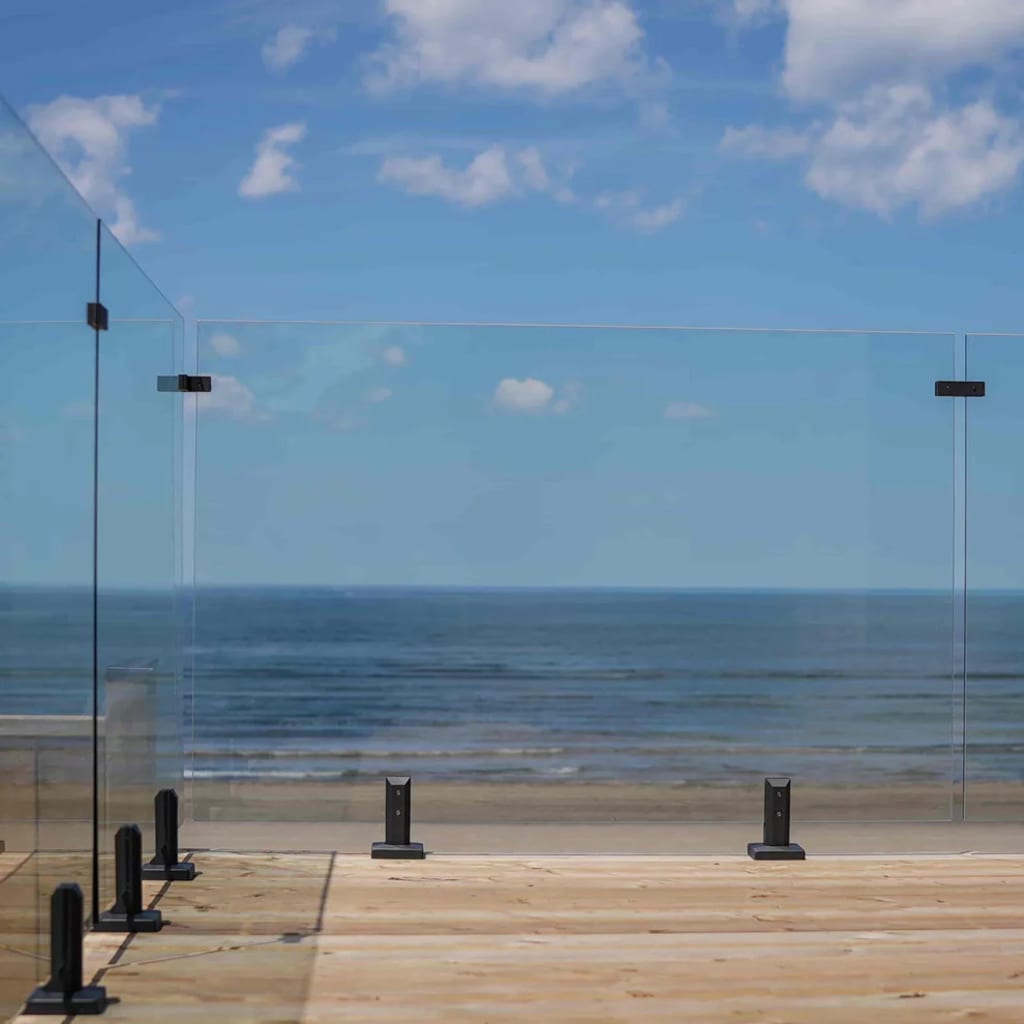
Glass railings have established themselves as leading choices for contemporary residential and commercial spaces because they showcase a safe open design. A glass railing system relies on its hardware components to establish both durability and strength as well as its final appearance.
The selection process for ideal glass railing hardware requires knowledge of clamps and spigots among its other types. Such a guide will teach readers about the fundamental elements needed for creating both stable and beautiful glass railing systems.
1. Glass Clamps
Glass clamps provide essential fixing points that maintain glass panels in safe position by requiring minimal screwing penetration. These holders are available in different forms with multiple dimensions and materials which consist of stainless steel and aluminum for durability along with style. Some common types include:
- D-shaped clamps function for the attachment of glass panels to walls and posts through their minimalistic design.
- Contemporary architects choose square clamps because they produce a strong modern appearance.
- Round clamps suit curved or unique railing designs to produce a soft appearance.
The glass clamps come with protective rubber gaskets to defend glass material while maintaining proper grip between Clamp and glass surface.
2. Spigots
The application known as spigots serves as a frameless method to secure glass panels through their role as stand-offs or mini posts. The hardware pieces known as spigots get installed beneath the glass foundation to eliminate traditional frame and post requirements. When used for pool fences and stair railings and balconies, spigots serve as glass panel securing hardware which maintains a clear sight path.
Key benefits of spigots include:
- Minimalist design for a seamless look
- Strong and secure hold for frameless glass panels
- Available in stainless steel for corrosion resistance and durability
3. Handrails
In addition to providing safety assistance and support handrails improve the looks of glass railing systems. Handrail installation occurs either through direct attachment to glass or with post-support against the glass surface. Popular handrail options include:
- The installation of top-mounted handrails allows users to enhance the support and stability of glass panels.
- The installation of handrails alongside the glass creates a floating look which both advances safety measures.
- Handrails supported by metal posts provide a traditional appearance while being often used for commercial and staircases.
Solid handrails offer selection from stainless steel and aluminum and wood materials which enable designers to choose appropriate styles for any setting.
4. Base Shoe Systems
Base shoe systems function as essential elements when executing frameless glass railing systems. The bottom part of frameless glass railings relies on metal channels that establish a firm base without creating any visual distractions from clamps or posts. The base shoe is manufactured from aluminum or stainless steel in two forms: surface-mounted and recessed installation.
Advantages of base shoe systems:
- Secure and sturdy support for large glass panels
- Sleek, frameless aesthetic
- Suitable for both indoor and outdoor applications
5. Glass Adapters and Standoffs
Glass adapters and standoffs serve as critical small hardware elements which help securely mount glass panels to different surfaces. The cylindrical form of standoffs serves to support glass panels while keeping their attachment discreet because of their minimal presence. The main purpose of glass adapters is to join glass components with handrails or wall surfaces.
Both options offer:
- A modern and seamless appearance
- Strong attachment with minimal drilling required
- Versatility for various glass railing designs
6. Glass Brackets
The role of glass brackets appears as connecting elements between glass panels and structural components. Glass brackets exist in various designs which include:
- Wall-mounted brackets: Secure glass panels to walls or vertical surfaces.
- Post-mounted brackets: Attach glass to metal posts for added stability.
- Adjustable brackets: Allow for flexible positioning and alignment of glass panels.
Stainless steel brackets with anti-corrosive properties maintain their functionality for use both in buildings and open areas.
7. Post Systems
Post systems enable customers to achieve modern aesthetics through structural support for their semi-frameless or framed glass railing applications. Stainless steel or aluminum make up posts which installation occurs through different configurations.
- Glass panels require inline posts for a structured framework.
- Tangential corner posts work as the structural solution for angled railing networks.
- End posts install as final elements at both the railing beginning points and finishing points.
The post system proves its worth in staircases and balconies and commercial facilities which require supplemental support.
8. Rail Caps and U-Channels
The glass railing system receives finishing trim through rail caps and U-channels that deliver added structural support. Metal tracks named U-channels maintain glass panels at floor or ceiling positions yet they receive structural support from rail caps which provide finishing elements and safety features.
- U-channels support frameless railing systems by letting glass panels hang without posts.
- Rail caps come in different materials and design styles which enhance overall design features.
Choosing the Right Glass Railing Hardware
When selecting glass railing hardware, consider the following factors:
- Material: Stainless steel and aluminum offer superior durability and corrosion resistance, especially for outdoor applications.
- Design Preference: Whether you prefer a frameless look, a semi-frameless system, or a post-supported design, choosing the right hardware will enhance the overall aesthetic.
- Safety Standards: Ensure all hardware components comply with local building codes and safety regulations.
- Installation Requirements: Some hardware options require professional installation, while others are designed for easier DIY setups.
Final Thoughts
The appropriate installation of glass railing hardware creates essential elements which support both safety and product longevity and design appearance. People achieving secure and visually pleasing installation results need to select appropriate hardware when working with frameless glass balconies and sleek staircases and sturdy pool fences. The selection process for your project requires knowledge about different types of clamps as well as spigots and handrails and mounting systems.
Explore diverse options of high-quality glass railing systems that combine strength with style to obtain perfect elegance and security solutions for your space.
About the Creator
The Glass Railing Store
The Glass Railing Store offers modern, safe, and stylish glass railing systems across the USA. Ideal for homes, staircases, and decks, our durable solutions meet American building standards. Visit now: https://glassrailingstore.com/en-us
Keep reading
More stories from The Glass Railing Store and writers in Education and other communities.
Glass Railing Hardware vs. Traditional Railings: Which One is Better?
When it comes to choosing the best railing system for your home or outdoor space, the decision often boils down to style, functionality, and safety. Glass railing hardware has become a popular option due to its sleek, modern appearance and unobstructed views. On the other hand, traditional railings made from wood, metal, or vinyl have been used for years and continue to be a reliable choice for many homeowners. But how do these two options compare in terms of performance, safety, and maintenance?
By The Glass Railing Store10 months ago in 01
The Impact of Virtual Reality on Healthcare Innovation and Medical Practice
Virtual reality is steadily transforming the healthcare industry by offering immersive digital environments that support medical education, treatment planning, and patient care. Unlike traditional tools, VR allows healthcare professionals to interact with highly detailed simulations that replicate real medical situations. These interactive experiences provide opportunities for learning and preparation that were previously difficult to achieve through conventional training methods.
By Alex Kipman2 days ago in Education
Why the Sun Will Become a Red Giant: The Future of Our Solar System Explained
Every morning, the Sun rises as it has for billions of years, bathing Earth in light and warmth. To us, it feels permanent and unchanging. Yet in the vast timeline of the universe, the Sun is only halfway through its life.
By shahkar jalalabout 3 hours ago in Education




Comments
There are no comments for this story
Be the first to respond and start the conversation.