

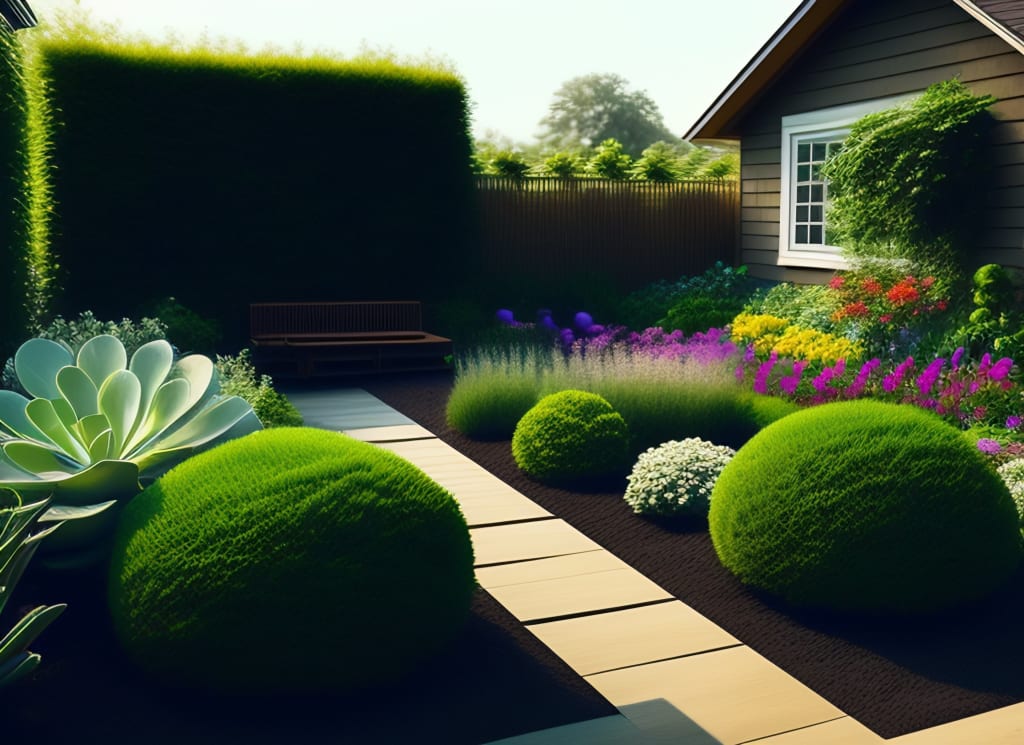
A home garden is a wonderful way to bring nature into your everyday life, and there are many benefits to growing your own plants and vegetables. Not only is it a great way to save money on groceries, but it can also be a relaxing and fulfilling hobby. However, maintaining a successful home garden requires some effort and know-how. In this article, we will discuss some tips on how to improve your home garden and make it thrive.
1) Choose the Right Plants
The first step in improving your home garden is choosing the right plants. This will depend on a variety of factors, including the climate in your area, the amount of sunlight your garden receives, and the type of soil you have. Some plants require more maintenance than others, so it's important to choose plants that you are capable of caring for. Consider starting with some easy-to-grow herbs like basil, parsley, or mint, or some vegetables that are known to be hardy, like tomatoes, cucumbers, or peppers.
2) Create a Composting System
Creating a composting system is a great way to improve your home garden. Composting involves breaking down organic matter, like food scraps and yard waste, into a nutrient-rich soil amendment that can be used to fertilize your plants. Composting not only helps reduce waste, but it also improves the soil quality in your garden, which can lead to healthier plants. There are many ways to compost, from using a simple compost bin to creating a worm composting system.
3) Mulch Your Garden Beds
Mulching your garden beds is another great way to improve your home garden. Mulch is a layer of organic material, like leaves, straw, or wood chips, that is placed on top of the soil around your plants. Mulch helps retain moisture in the soil, prevents weeds from growing, and provides nutrients to your plants as it breaks down over time. When choosing a mulch, consider factors like the type of plants you have, the amount of rainfall in your area, and the availability of different types of mulch.
4) Use Companion Planting
Companion planting is the practice of planting different types of plants together that can benefit each other. For example, planting marigolds alongside tomatoes can help repel harmful insects, while planting beans alongside corn can help improve the soil quality. Companion planting can also help increase the biodiversity in your garden, which can lead to a healthier ecosystem overall.
5) Water Your Plants Regularly
Watering your plants regularly is crucial to their survival. Depending on the type of plants you have, you may need to water them daily or just once a week. Make sure to water your plants deeply, so that the roots have access to plenty of moisture. It's also important to water your plants in the morning or evening, when the sun is not as strong, to prevent evaporation.
6) Fertilize Your Garden
Fertilizing your garden is another important aspect of improving your home garden. Fertilizer provides essential nutrients to your plants, which can help them grow stronger and healthier. There are many different types of fertilizers available, from synthetic to organic, so it's important to choose the right type for your plants. You can also make your own organic fertilizer using compost, bone meal, and other natural ingredients.
7) Prune Your Plants
Pruning your plants is an important aspect of garden maintenance. Pruning involves removing dead or damaged branches, as well as any branches that are blocking sunlight from reaching other parts of the plant. Pruning can also help shape your plants and promote healthy growth. Make sure to use clean, sharp pruning shears to prevent damage to your plants.
8) Protect Your Plants from Pests and Diseases
Protecting your plants from pests and diseases is crucial to their survival.
About the Creator
Wuthering Heights uni module given content warning for students"
The 1847 novel Wuthering Heights has long been considered one of the most intense works in English literature. Written by Emily Brontë, the book explores obsession, revenge, cruelty and emotional torment on the Yorkshire moors. Now, nearly two centuries after its publication, the novel has become the center of a modern academic debate after a university module introduced a content warning for students studying the text.
By Fiaz Ahmed 3 days ago in Education
How Hot-Dip Galvanizing Saves Maintenance Costs Over Time for Steel Infrastructure
Steel is a key material in modern infrastructure. It is used in bridges, buildings, towers, fences, and many industrial systems. Steel offers strength and reliability, but it can rust when exposed to air and water. Rust slowly weakens steel and creates serious maintenance challenges. To prevent this damage, many industries rely on hot-dip galvanizing.
By Frontier Galvanizing4 days ago in Education




Comments
There are no comments for this story
Be the first to respond and start the conversation.