
5 ways to prevent your cat from eating your house plants!
Here are some ways to prevent your cat from eating all your house plants...

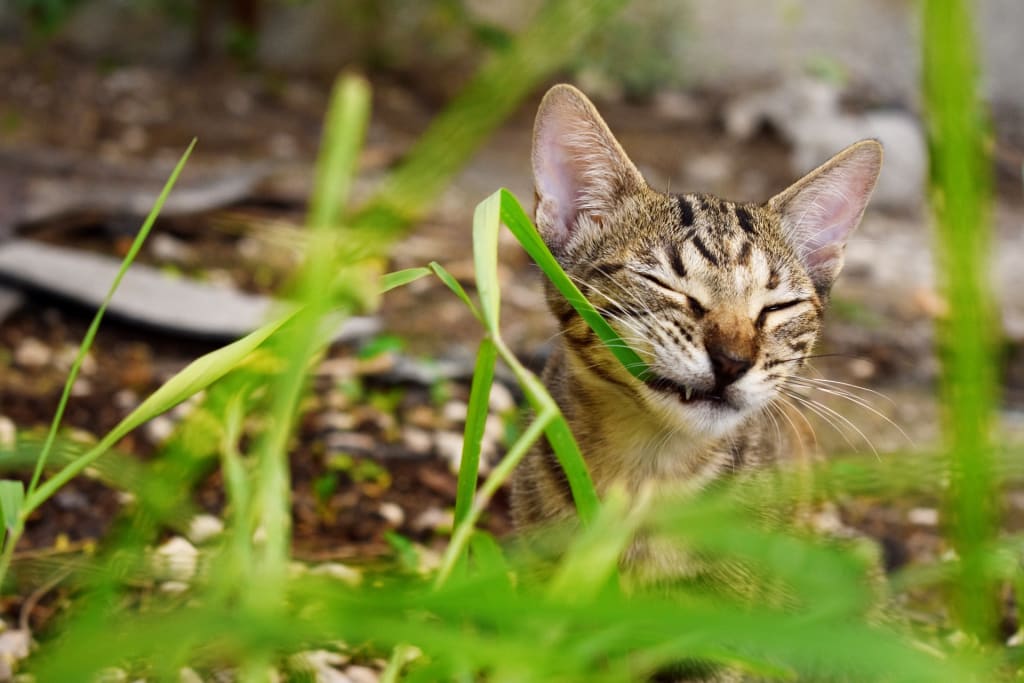
You might adore having plants in your home if you're a cat owner. But, you might have observed that your feline companion frequently nibbles on your plants, which can be harmful and unhealthy for your pet. This article will provide you with five tips for keeping indoor plants secure and healthy while keeping your cat from consuming them.
Cats may eat plants for several reasons, including to supplement their diet with missing nutrients, to relieve boredom or stimulate playfulness, to soothe an upset stomach, out of curiosity or exploration, or as a result of instinctual behavior.
Eating grass or other plants can help a cat vomit and clear its digestive system of hairballs or other indigestible materials. However, it's important to note that while some plants may not be toxic to cats, they can still cause digestive upset or other health problems if ingested in large amounts. To ensure your cat's health and well-being, it's best to supervise them and prevent them from eating plants whenever possible.
There are several ways to keep your cat from eating your houseplants:
1. Choose Cat-Friendly Plants
Selecting plants that are safe for cats is one of the simplest ways to stop your cat from eating your indoor plants. Lilies are one plant that is toxic to cats and can result in major health problems or even death. Verify that a new plant is safe for your pet buddy before buying it. African violets, Christmas cacti, and spider plants are a few safe plants for cats.

2. Provide Enough Nutrients
Cats who aren't getting enough nutrition from their diet may be nibbling on your plants. Make sure you provide your cat a nutritionally complete, well-balanced food. Consider consulting your veterinarian to determine whether a supplement is required if you believe that your cat's plant-eating habits are the result of a nutrient shortage.

3. Use Deterrents
If your cat still can't resist the temptation of your house plants, you can use deterrents to discourage them. One option is to place rough-textured materials, such as rocks or pine cones, on top of the soil to make it uncomfortable for your cat to step on. Another option is to use a commercial spray deterrent that smells unpleasant to cats.

4. Create a Designated Area for Your Cat
Cats like to explore their surroundings and might be attracted to plants that are within their reach. Consider creating a designated area for your cat to play and explore that's away from your house plants. Fill the area with cat-friendly toys and activities to keep them entertained.

5. Provide Alternative Plants
Finally, you can provide alternative plants for your cat to nibble on. Catnip and cat grass are excellent choices that are safe for cats and can help fulfill their natural desire to chew on plants. These plants can be purchased at your local pet store or can be grown from seeds.

In conclusion, there are a number of techniques to stop your cat from consuming your indoor plants. Effective strategies include selecting plants that are friendly to cats, giving adequate nutrients, employing deterrents, designating a specific space for your cat, and offering substitute plants. By following these instructions, you may maintain the advantages of having plants in your home while still keeping your cat content and healthy.
About the Creator
Sara Daniel
A 19 years old hustler, who is not afraid to take risks and dream big...
Keep reading
More stories from Sara Daniel and writers in Education and other communities.
What Is Dark Energy and Why Is It Accelerating the Universe?
This discovery shocked scientists in the late 1990s and overturned everything we thought we knew about cosmic evolution. Gravity, which should slow expansion, appeared to be losing the battle. Some mysterious force was pushing the universe apart.
By shahkar jalal2 days ago in Education




Comments
There are no comments for this story
Be the first to respond and start the conversation.