
5 Tips to Sleep Better and Fall Asleep Faster
Click here to read more...

Getting a good night’s sleep is vital for mental and physical health. Yet, many struggle with falling asleep or staying asleep. Whether it’s the stresses of daily life or environmental factors, sleep quality can suffer. Here are five practical tips to help you sleep better and fall asleep faster, including how using a night lamp can make a difference.
1. Stick to a Consistent Sleep Schedule
Consistency is key when it comes to sleep. Going to bed and waking up at the same time every day helps regulate your body’s internal clock, also known as the circadian rhythm. When your body knows when it’s time to sleep, it becomes easier to fall asleep faster. Studies show that irregular sleep patterns can disrupt this rhythm, leading to poor sleep quality and fatigue during the day.
Try setting a consistent bedtime and wake-up time, even on weekends. It may take a little time for your body to adjust, but the benefits are well worth the effort.
2. Create a Relaxing Bedtime Routine
Having a calming routine before bed signals your body that it’s time to wind down. Whether it's reading a book, taking a warm bath, or doing light stretching, incorporating relaxing activities before bedtime can significantly reduce the time it takes to fall asleep. Avoid stimulating activities like watching action-packed TV shows or using electronic devices, as these can increase alertness and delay sleep.
Practicing mindfulness or meditation can also help you clear your mind and relax your body, making it easier to drift off.
3. Use a Night Lamp with Warm, Dim Lighting
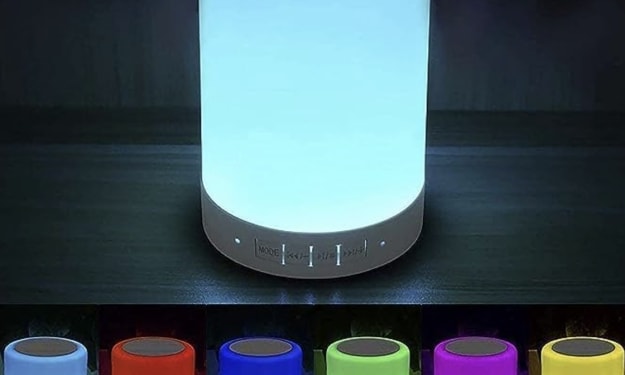
Using a night lamp with soft, dim lighting can promote a more restful sleep environment. Harsh, bright lights can interfere with melatonin production, the hormone responsible for regulating sleep. In contrast, low-intensity, warm-colored lighting helps signal to your brain that it's time to wind down.
Research supports the idea that exposure to dim lighting before bed can help regulate melatonin and support better sleep. According to a study published in the Journal of Biological Rhythms, using dim, warm light in the evening helps synchronize the circadian rhythm and improve sleep quality. A night lamp with amber or red tones can be an excellent addition to your bedroom, offering enough light to navigate your space without disturbing your natural sleep patterns.
For a cute night lamp for better sleep click here
4. Limit Screen Time Before Bed
The blue light emitted from phones, tablets, and computers can severely impact your ability to fall asleep. This type of light suppresses melatonin production, making it harder for your body to relax. A study from Harvard Health found that blue light exposure before bedtime delays the release of melatonin, leading to prolonged sleep onset.
To counteract this, try turning off electronic devices at least 30 minutes to an hour before bed. If you need to use your phone or tablet, consider turning on a blue light filter or using "night mode" to reduce its impact.
5. Create an Optimal Sleep Environment
Your bedroom should be a sanctuary for sleep. Keeping it cool, quiet, and dark is essential for falling asleep quickly and staying asleep. The ideal room temperature for sleep is typically between 60-67°F (15-20°C), which helps your body reach its optimal sleep state.
Consider using blackout curtains to block out light, earplugs or a white noise machine to reduce noise, and comfortable bedding to create a cozy environment. The more comfortable and conducive to rest your bedroom is, the more likely you are to enjoy a deep, uninterrupted sleep.
Improving your sleep routine is a step-by-step process, and these tips can make a significant difference in how fast you fall asleep and the quality of your rest. From using a night lamp to regulating your sleep schedule, these strategies will help you create the ideal conditions for better sleep.
About the Creator
Keep reading
More stories from Victor Pashuk and writers in Education and other communities.
The Importance of Using Night Lamps When Sleeping
Night lamps are a vital addition to any home, offering more than just illumination. They serve as a source of comfort and safety, especially for children and older adults. According to a study by the Journal of Sleep Research, the use of dim light, such as a night lamp, can improve sleep quality by reducing disruptions caused by complete darkness or sudden bright lights. Moreover, night lamps provide just enough light to navigate in the dark without fully waking the brain, allowing for a smoother return to sleep. Night lamps can also be crucial for parents tending to young children at night or individuals who frequently wake up during the night.
By Victor Pashukabout a year ago in Families
Why the 3D Concrete Printing Market Is Transforming Modern Construction?
The construction industry involves the building and assembling of infrastructure. While it is still commonly used, this has some shortcomings, because it is often inefficient, requiring a lot of time, materials, and labor. The 3D concrete printing market is emerging as a revolutionary technology, ushering in advantages of automation, precision, and material efficiency in the construction industry.
By Akshay Kumarabout 13 hours ago in Education
The Digital Billing Revolution Inside Spain 1,139.5 Million E-Invoicing Surge
The era of paper invoices and manual reconciliation is officially over. Walking through the offices of Madrid, Barcelona, or Valencia in 2026 or logging into an SME accounting dashboard you immediately realize that the modern Spanish business is one of the most digitally conscious in Europe. I call them “Invoice Strategists”professionals who demand speed, accuracy, and regulatory compliance, valuing real-time insights over cumbersome legacy processes.
By Neeraj kumarabout 8 hours ago in Education
What Happens To Your Brain When You Stop Multitasking
Digital technology is the culprit that is causing us to doom scroll when tired, disengaged and unmotivated with the content that motivated you to log onto your device to consume in the first place. That is only the beginning. In the modern workplace (and even when filing cabinets were around, I confirmed this with my adopted parents to get my facts right); reading files while you are supposed to be present to the caller on the other end of the phone line is another classic example of multitasking that causes your brain (although adaptable and intelligent) to lose focus and concentration.
By Justine Crowley5 days ago in Psyche



Comments
There are no comments for this story
Be the first to respond and start the conversation.