
5 Things to Know When Teaching the Alphabet
There are Ways to Make it Easier
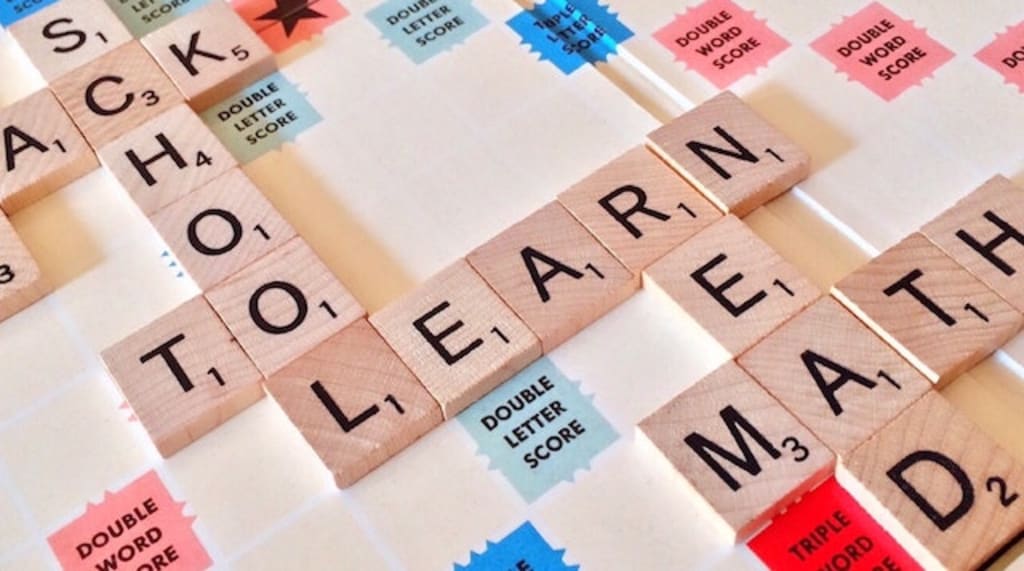
Kids need to know letters before they can learn words. If you haven't taught kids the alphabet before, or you struggle with it, then you might wonder how to teach something which is already natural to you. The trick with teaching kids is to keep things simple but also make them fun.
5 Things You Should Know
If you want to teach kids the alphabet successfully, then there are only five things you should know about doing this:
1. Get Flashcards: Flashcards are great for memorization, which is the whole point of learning the alphabet. If you can, make sure every kid has their own set of flashcards. That way, they have known reference material accessible all the time.
2. Open Weekly Alphabet Boxes: An alphabet box is just something that includes themes surrounding one letter. For instance, a "B" box might have books, bananas, belts, and birds kids can learn about.
3. Play Games: Letter-matching games are simple to set up. Print the alphabet in big letters on poster board, and give kids cut-out letters of the same size. Have them match the cut-outs to the chart.
4. Sing Songs: Is the Alphabet song you learned as a kid playing in your head right now? That's always a great place to start, but it's not the only option. Many YouTube videos have various letter songs that help kids learn their ABCs.
5. Utilize Interdisciplinary Learning: Repeating the letters over and over can get boring, so try associating letters with other lessons. For instance, when teaching about the letter "R," also teach them the color "red."
Questions You Might Have
If you're trying to figure out how to teach a child the alphabet, then you are inevitably going to have certain questions. Knowing the answers to them will help you be a great alphabet teacher to the children around you.
First of all, you might be wondering what age children should start learning the alphabet. Children should recognize every upper- and lower-case letter when they finish kindergarten, but some kids who are read aloud early might start recognizing printed letters as early as their second birthday. A great starting point is teaching your kid their name's initials.
Second, you might worry about pushing your kids too fast, too early. This isn't something you should worry much about, because many kids already know half the alphabet or more by the time they start kindergarten. This might be faster than you learned the alphabet as a kid, and you wound up just fine, but today's students have so much more to learn that they need to do it faster and earlier.
Finally, how do you know how your child is progressing? Learning is not a straight line for anyone, especially kids. They'll have good days and bad, and they'll make some leaps in certain weeks and struggle in others. Fortunately, you can discretely measure their alphabet knowledge once a month without them feeling tested or under pressure. You can first track how they're doing learning the 26 letters and then witness their evolving mastery over upper- and lower-case versions of each letter.
Let Them Play
Teaching kids the alphabet is something you know to be a crucial task for all the reading skills they need for the rest of their lives. However, keep in mind that they're still kids and need to play. Chron points out that play isn't entirely frivolous, as it helps kids develop critical thinking skills and explore things in life.
Mixing good fun with academics is perhaps the most fundamental aspect of teaching kids the alphabet. If you can, have students work together in small groups so they learn how to share ideas, help each other, and even make some friends along the way. When this is mixed with individual attention and entire class scenarios, kids have the best chances to learn in many different ways.
Conclusion
Children need to be able to recognize individual letters before they can learn how to read. Knowing the letters helps kids learn letter sounds and start identifying words. When you help the kids in your life learn the alphabet successfully, they become better readers and enjoy more success in their development.
About the Creator
Keep reading
More stories from Sierra Powell and writers in Education and other communities.
5 Things to Know About Residency Programs
If you have a medical degree, consider enrolling in a residency program. A residency program is a type of medical training where graduates receive hands-on instruction and guidance to become experts in the medical specialty of their choice. All you need to know about residency programs will be covered in this post.
By Sierra Powell3 years ago in Education
The Impact of Virtual Reality on Healthcare Innovation and Medical Practice
Virtual reality is steadily transforming the healthcare industry by offering immersive digital environments that support medical education, treatment planning, and patient care. Unlike traditional tools, VR allows healthcare professionals to interact with highly detailed simulations that replicate real medical situations. These interactive experiences provide opportunities for learning and preparation that were previously difficult to achieve through conventional training methods.
By Alex Kipman26 minutes ago in Education
TUS NUA - ch 53
TUS NUA – ch 53 New Beginnings – Mia and Midnight (*)(*)(*) Finola knew Ali’s brother-in-law needed to put his mind at rest. She fed her arm through his and led him outside. “We’ll sit here. If you like, I can put a block around us so our conversation will be private.”
By Margaret Brennan3 days ago in Fiction



Comments
There are no comments for this story
Be the first to respond and start the conversation.