
5 Signs on the Hand Warn That the Lungs Are in Danger
Recognizing Early Indicators of Lung Health Issues

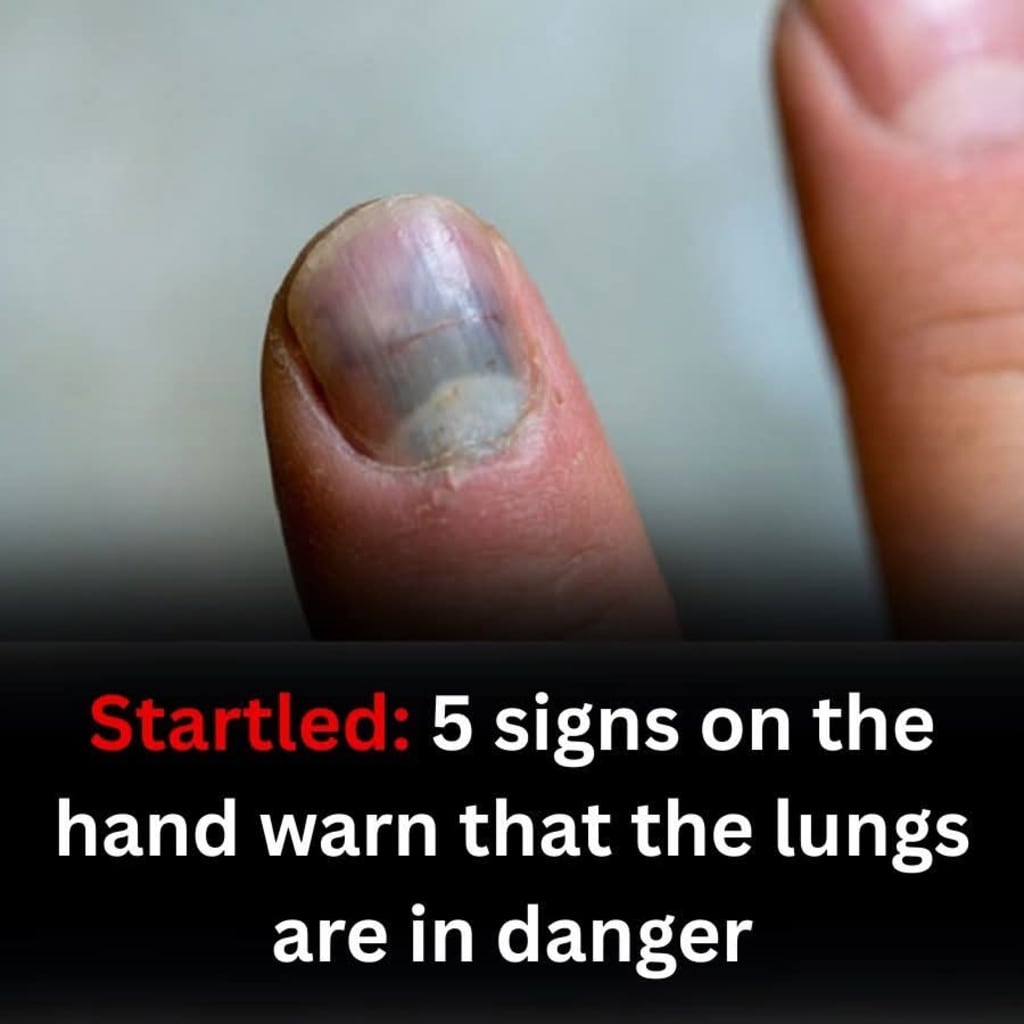
Our body is a complex and intelligent system that often gives early warning signs when something is wrong. While we often focus on symptoms like coughing or chest pain when thinking about lung problems, the truth is that our hands can also reveal critical clues about lung health. The hands are full of blood vessels and nerve endings, and subtle changes in their appearance or function may reflect underlying issues—including problems with the lungs.
Being aware of these signs can help with early detection of respiratory illnesses such as chronic obstructive pulmonary disease (COPD), lung cancer, pulmonary fibrosis, or infections. Below are five hand-related symptoms that may indicate your lungs are in danger and should not be ignored.
---
1. Clubbing of the Fingers
What it looks like: Clubbing refers to a physical change in the shape of the fingers and fingernails. The tips of the fingers become larger and rounder than normal, and the nails may curve around the fingertips, becoming more bulbous. When viewed from the side, the angle between the nail and the nail bed disappears or becomes more pronounced.
Why it matters: Finger clubbing is one of the most recognized signs of chronic lung disease. It’s associated with conditions that reduce oxygen levels in the blood over time, such as lung cancer, interstitial lung disease, or chronic bronchitis and emphysema. The exact cause of clubbing isn’t fully understood, but it is believed to result from changes in blood flow and oxygenation in the fingers due to low oxygen in the bloodstream.
What to do: If you notice clubbing and haven't been diagnosed with a lung condition, it's important to consult a healthcare provider for evaluation, especially if accompanied by breathing difficulties or persistent coughing.
---
2. Cyanosis (Bluish Fingertips or Nails)
What it looks like: A bluish or purplish tint to the fingertips, fingernails, or lips is called cyanosis. It may be subtle at first, especially in colder weather, but persistent discoloration is concerning.
Why it matters: Cyanosis occurs when oxygen levels in the blood are dangerously low. This is a hallmark sign of lung-related conditions such as asthma attacks, pneumonia, COPD exacerbations, or advanced pulmonary disease. If the lungs are not able to properly exchange oxygen, the extremities show the effects quickly.
What to do: Cyanosis is a medical emergency if it occurs suddenly or is accompanied by shortness of breath, chest pain, or confusion. Seek immediate medical help. Chronic cyanosis should also be evaluated as it could indicate underlying lung dysfunction.
---
3. Tremors or Shaking Hands
What it looks like: Fine shaking or trembling of the hands, especially when holding something or trying to perform a task. This symptom is more than just nervousness—it can be subtle but persistent.
Why it matters: Shaky hands can sometimes point to carbon dioxide retention, a condition seen in severe COPD or other advanced lung disorders. When the lungs can’t expel enough carbon dioxide, it builds up in the blood, affecting the nervous system and muscle control, which may lead to tremors.
What to do: If you're noticing unusual shaking in your hands along with symptoms like fatigue, confusion, or breathlessness, consult a doctor. Arterial blood gas tests or pulmonary function tests may be required to assess lung performance.
---
4. Dry, Cracked Skin on the Hands
What it looks like: Persistent dryness, cracking, or flaking of the skin on the hands, especially around the knuckles or fingertips, that doesn’t improve with regular moisturizing.
Why it matters: While dry skin can result from weather or dehydration, in some cases, it may be a symptom of systemic sclerosis or pulmonary fibrosis, autoimmune conditions that also affect the lungs. These diseases can reduce blood flow to the extremities and alter skin texture, indicating deeper internal inflammation affecting the lungs.
What to do: Chronic dry and cracked skin on the hands—especially if it's painful or linked to other symptoms like joint stiffness, shortness of breath, or fatigue—warrants a full medical examination.
---
5. Weak Grip Strength or Numbness
What it looks like: Difficulty gripping objects, frequent dropping of items, or a noticeable reduction in hand strength. Some may also feel tingling or numbness in the fingers.
Why it matters: While grip strength can decline with age or inactivity, sudden or progressive weakness may signal underlying oxygen deprivation or poor circulation caused by chronic lung disease or cardiovascular problems. In some cases, lung cancer pressing on nerves or causing paraneoplastic syndromes may present with muscle weakness or nerve-related symptoms in the hands.
What to do: Weakness, especially when paired with fatigue, shortness of breath, or weight loss, should be taken seriously. It may indicate systemic issues related to poor lung function.
---
Final Thoughts
Your hands can serve as a valuable health monitor, often revealing early signs of serious internal problems, including issues with the lungs. Finger clubbing, cyanosis, tremors, dry or cracked skin, and reduced grip strength are not just minor cosmetic changes—they can be red flags that your lungs are struggling.
If you notice any of these signs, especially in combination with other symptoms like coughing, shortness of breath, or unexplained fatigue, it’s crucial to seek medical attention. Early diagnosis and treatment can dramatically improve outcomes for many lung conditions.
Paying attention to what your body is trying to tell you—right down to your fingertips—can be a lifesaving decision.
About the Creator
Keep reading
More stories from DigitalAddi and writers in Education and other communities.
4 Morning Habits That Increase Stroke Risk and How to Avoid Them
Strokes are among the leading causes of disability and death worldwide, and many people are unaware that some of their everyday habits, especially in the morning, may be silently increasing their risk. Morning routines set the tone for the rest of the day, and while they often seem harmless, certain behaviors can put strain on the heart and brain. This article explores four common morning habits that may contribute to stroke risk and provides practical advice on how to change them for better long-term health.
By DigitalAddi8 months ago in Education
Speak and Be Heard: A Beginner’s Guide to Becoming a Podcast Host and Growing Your Audience
Becoming a podcast host is an exciting way to share your ideas, inspire others, and build a strong community. Whether you want to teach, entertain, or have great conversations, podcasting gives you a voice that can reach people around the world. But starting a podcast and growing an audience takes more than just a microphone. It requires planning, patience, and a real connection with your listeners. In this guide, you'll learn how to become a podcast host and grow your audience step by step.
By Spencer Hakimian2 days ago in Education




Comments (1)
I knew fingers could show health issues, but didn't realize they could signal lung problems. Gonna keep an eye out now.