
5 Real-World Applications of AI You Didn’t Know About
Real-World Applications of AI
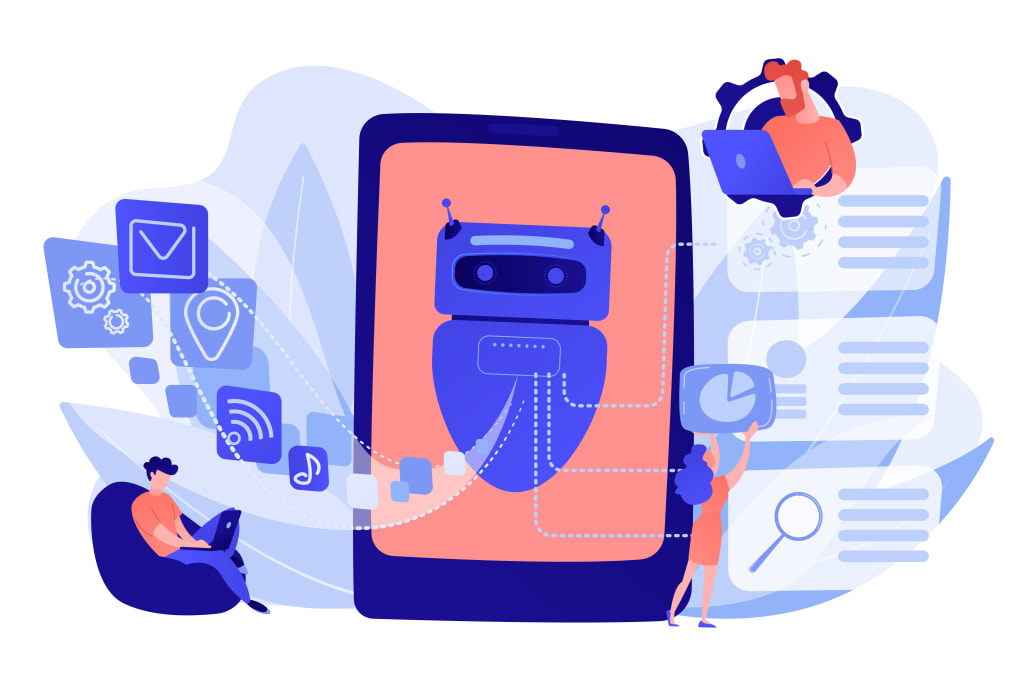
Artificial Intelligence (AI) is no longer a futuristic concept, it’s already part of our everyday lives. While most people think of AI as robots or voice assistants, there are some other, less well known, ways AI is actually making a difference in the world. AI is everywhere, from helping doctors to bettering your shopping experience. In this post, let’s dive into 5 real world applications of AI you may not have heard of!
1. Smart Email Sorting
If you’ve ever felt overwhelmed by a cluttered inbox, you’ll love how AI is helping with email organization. Many email services like Gmail or Outlook use AI to automatically sort your emails into categories such as “Primary,” “Social,” or “Promotions.” But AI doesn’t stop there—it can also prioritize your emails based on what you open and respond to most often.
Say you send emails to a particular person or firm over and over again, then AI can pick up on this pattern, and its algorithms can shift these emails to the top of your inbox. With AI, you can even have it suggest which emails you might want to archive or delete so you don’t have to spend much time keeping your inbox neat and organized.

2. AI-Powered Health Monitoring
AI is revolutionizing healthcare, but it’s not just in fancy hospitals or high-tech labs. In fact, many fitness trackers and health apps already use AI to monitor your health. Devices like Fitbit or Apple Watch use AI algorithms to track your heart rate, sleep patterns, and even how much exercise you’re getting.
AI can also detect potential health issues, but it doesn’t stop there—AI can also help you get fit. Wearable devices can feed some AI systems data that can help spot early signs of conditions such as diabetes, high blood pressure or even heart disease, alerting you and your doctor before the symptoms become serious. Early detection of this kind can save lives by allowing for quicker treatment, healthier lifestyles.
3. AI in Personalized Shopping Recommendations
Have you ever wondered how online stores seem to know exactly what you want to buy? That’s AI in action! On an e-commerce website, if you browse, AI is watching your behavior: which items you click on, how long you stay on each page, and what you put in your cart. With this data, AI can then tell you what other products you might be interested in, making your shopping experience much more personalized.
Likewise, when you buy shoes, for example, AI can suggest matching accessories, or even offer other brands to recommend based on the stuff of your previous purchases. This boosts sales for businesses and also offers you a shopping experience that feels like it’s been tailored to your taste.
4. AI for Smarter Traffic Management
Even our cities are getting smarter with AI. Traffic lights in many cities are now set by AI systems meant to better reduce congestion and enhance traffic flow. In real time, they can examine traffic patterns to find out how to adjust light timing so traffic flows smoothly. An example is traffic stoppage on one street, for instance, and AI can use this intelligence to stretch the green light on that street while shortening the green light on less crowded streets, thereby reducing wait times and preventing traffic buildup.
Cities are also using AI to predict when and where traffic jams will arise, and allow drivers and city planner’s action. AI driven traffic management can help you get to work faster, reduce pollution, and make streets safer.

5. AI-Driven Content Creation
Did you know that AI can help create written content, too? AI tools like GPT (the one you’re reading right now) are being used to assist in creating blog posts, marketing copy, and even social media updates. These tools use algorithms to generate text based on the information provided, helping writers, businesses, and marketers save time.
For instance, an AI can be used by a business to quickly generate product descriptions for the website, or a writer to come up with ideas for an article. AI isn’t perfect (it still requires human input), but it can speed up and make the writing process much more efficient. Down the line even, AI could assist in the creation of not just as basic content as hyperlinks or Twitter bios, but things such as books or even personalized email campaigns.
Conclusion
AI isn’t something we read about in science fiction, it’s already deeply embedded in our daily lives in ways we might not even know. AI is quietly working behind the scenes to help doctors detect health problems early, organize your inbox, and more.
The more AI evolves the more surprising applications we’ll see that will make our world more efficient, personalized and connected. The key takeaway? AI isn’t just for tech geeks, it’s something anyone can use, even in the smallest parts of your life. So next time you shop online or get your email sorted, remember: There is AI, making life a bit easier.
About the Creator
Building Risk-Ready Organizations Through Holistic Planning
In today’s volatile and interconnected business world, risk can emerge from virtually any direction. Economic instability, supply chain disruptions, cyber threats, or shifting regulations can affect operations in ways that ripple across departments and geographies. To manage these challenges effectively, organizations must move beyond traditional, siloed risk management tactics. Holistic planning offers a forward-thinking alternative by integrating risk awareness into every layer of an organization’s structure and strategy.
By James Burlesonabout 6 hours ago in Education



Comments
There are no comments for this story
Be the first to respond and start the conversation.