
5 Most Frequently Recited Surahs of the Quran and Their Importance
Panj Surah of Quran
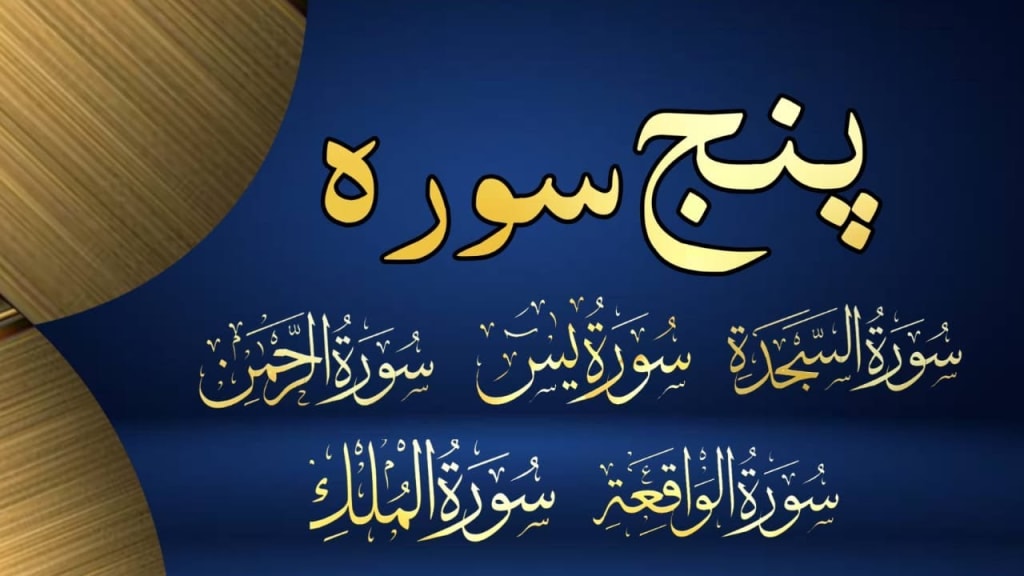
The Quran, as the ultimate guide for Muslims, contains 114 chapters (surahs), each with its unique significance and spiritual benefits. Among these, some surahs are recited more frequently due to their special virtues and the blessings they bring into daily life.
Below, we discuss the top 5 surahs that are most commonly read by Muslims on a daily or weekly basis: Surah Yasin, Surah Ar-Rahman, Surah Al-Kahf, Surah Al-Waqiah, and Surah Al-Mulk.
1. Surah Yasin (Chapter 36) – The Heart of the Quran
Surah Yasin is often called the heart of the Quran due to its profound meaning and spiritual significance. It is frequently recited for seeking Allah’s blessings, protection, and easing difficulties.
Key Benefits:
- Forgiveness: The Prophet Muhammad (PBUH) mentioned that reciting Surah Yasin in the morning can bring forgiveness for one’s sins.
- Ease in Trials: It is commonly recited for those who are facing hardship, illness, or emotional distress, as it serves as a reminder of Allah’s power and mercy.
- For the Deceased: Many Muslims recite it for their loved ones who have passed away, asking for mercy and ease in the hereafter.
2. Surah Ar-Rahman (Chapter 55) – The Surah of Blessings
Surah Ar-Rahman, known as the surah of Allah’s mercy, beautifully describes the bounties Allah has bestowed upon humankind and all of creation. It is renowned for its poetic repetition of the verse, “So which of the favors of your Lord will you deny?”
Key Benefits:
- Gratitude: Surah Ar-Rahman encourages reflection on Allah’s endless favors and reminds believers to be grateful for what they have.
- Healing: This surah is recited by many for physical and emotional healing, seeking relief from illness or distress.
- Balance of Life: It highlights the balance of life, justice, and mercy, and encourages humility before Allah’s greatness.
3. Surah Al-Kahf (Chapter 18) – Protection from Trials
Surah Al-Kahf is typically recited on Fridays (Jumu'ah) as a sunnah, and it is believed to offer protection from the Dajjal (the Antichrist) and from other trials of life. It contains four key stories: the People of the Cave, the man with two gardens, Prophet Musa’s (Moses) journey with Khidr, and the story of Dhul-Qarnayn.
Key Benefits:
- Protection from the Dajjal: The Prophet (PBUH) encouraged reciting the first 10 verses of Surah Al-Kahf to be safeguarded from the Dajjal’s deception.
- Spiritual Light: Reciting this surah on Fridays brings a light (nur) that remains with the believer until the next Friday.
- Guidance in Trials: The stories within this surah offer deep lessons on patience, humility, and reliance on Allah during times of trial.
4. Surah Al-Waqiah (Chapter 56) – Surah of Abundance and Wealth
Surah Al-Waqiah is often referred to as Surah of Wealth, and many Muslims recite it with the intention of increasing their sustenance and preventing poverty.
It discusses the Day of Judgment, the categorization of people into groups (the companions of the right hand, left hand, and foremost), and the reward or punishment that awaits each group.
Key Benefits:
- Wealth and Sustenance: It is widely believed that reciting Surah Al Waqiah, particularly after the Fajr or Isha prayers, can bring abundance and financial stability.
- Reminder of the Hereafter: It vividly describes the events of the Day of Judgment, encouraging believers to prepare for the eternal life.
- Protection from Poverty: Some traditions suggest that those who recite Surah Al Waqiah regularly will never face poverty.
5. Surah Al-Mulk (Chapter 67) – The Protector from Punishment
Surah Al-Mulk, also known as The Sovereignty, is recited daily by many Muslims, especially before going to sleep, due to its profound benefits in protecting against the punishment of the grave.
Key Benefits:
- Protection from the Grave: The Prophet (PBUH) mentioned that Surah Mulk intercedes on behalf of its reciter and shields them from the punishment of the grave.
- Strength in Faith: The surah reminds believers of Allah’s control over the universe, helping to strengthen one’s faith and reliance on Allah’s power.
- Forgiveness and Mercy: Reciting Surah Al-Mulk brings Allah’s forgiveness and mercy to those who sincerely seek it.
Conclusion
These five surahs—Yasin, Ar-Rahman, Al-Kahf, Al-Waqiah, and Al-Mulk—are recited frequently by Muslims across the world, not only because of their spiritual benefits but also due to the deep peace and connection they foster with Allah.
Incorporating these surahs into your daily or weekly recitation brings immense rewards, protection, and blessings, both in this world and in the hereafter.
By reflecting on the meanings of these surahs, Muslims are reminded of Allah’s mercy, power, and the ultimate accountability that awaits all on the Day of Judgment.
About the Creator
Sama
Assalamo Alaikum!




Comments (1)
Masha Allah very helpful