
5 Foods You Should Avoid If You Want to Be Healthy
5 Weight Loss Tips

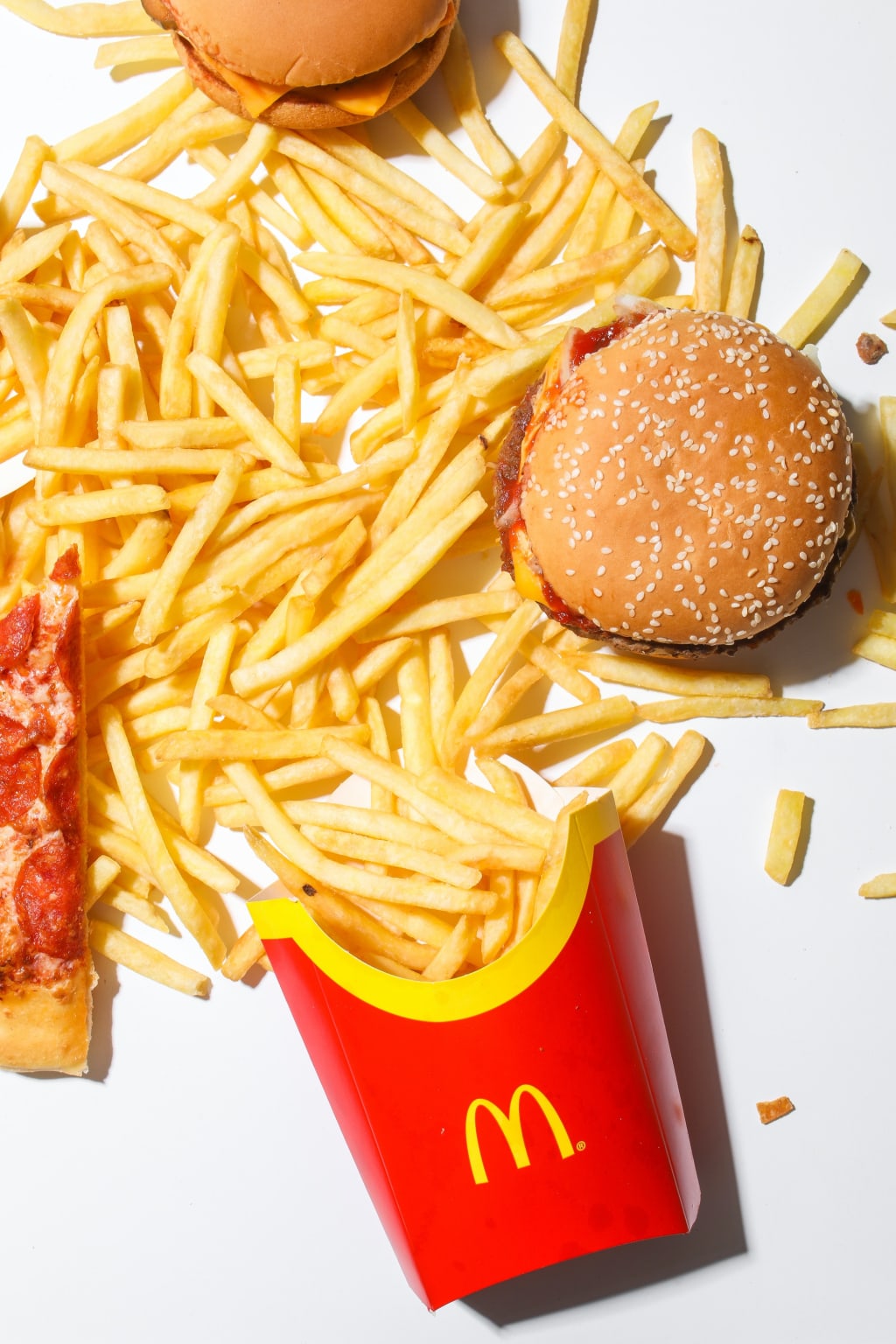
When it comes to eating healthy, it’s important to know what foods you should avoid. Eating the wrong types of food (trash food) can lead to a wide range of health and mental health problems, so it’s important to know what foods you shouldn’t eat. In this blog post, we’ll take a look at five foods that you should avoid if you want to be healthy and make sure you know what you shouldn’t eat.
why is it important to avoid trash foods?
This so call "trash foods" are a part of everyday diets in America and some other parts of the world. but trash food are a leading factor for diabetes, heart disease, induced stress, etc.. Due to its high sugars, preservative chemicals, sodium, that block out some or all the vitamins and minerals your body and mind desperately needs to operate. for example have you ever went to the produce section and see a nutrient lable on an apple?
1) Processed Meats
Processed meats are a type of food that you should definitely avoid if you want to be healthy. These include any meat products such as hot dogs, sausages, salami, bacon, and deli meats. Processed meats are considered "trash foods" because they are high in fat and sodium and often contain preservatives, additives, and other unhealthy ingredients. Eating too much processed meat has been linked to an increased risk of various health problems such as heart disease, certain cancers, diabetes, and obesity. Instead of processed meats, choose leaner cuts of meat or try to incorporate more plant-based proteins into your diet.
2) Refined Grains
Refined grains, also known as white flour or processed grains, are a type of trash food that can be bad for your health. Refined grains have had the bran and germ stripped away, leaving only the starchy endosperm. This process reduces the fiber content and makes them easier to digest, but it also strips away important nutrients like B vitamins, magnesium, and iron. Refined grains also tend to be higher in calories than their whole grain counterparts, making them a less nutritious choice. To make matters worse, refined grains often contain added sugars and unhealthy fats, making them a double whammy when it comes to foods that are bad for you. To stay healthy, try to avoid refined grains as much as possible and opt for whole grains instead.
3) Added Sugar
Free sugars or added sugars are sugar carbohydrates that are added to food and beverages before they are consumed. These include extra carbohydrates as well as, more broadly, naturally occurring sugars found in honey, syrup, and fruits. They are capable of taking on various chemical forms, such as sucrose, glucose, and fructose.
Triglyceride levels can rise when you consume a lot of added sugar, which may increase your risk of developing heart disease. dental decay Sugar encourages tooth decay by fostering bacterial growth and multiplication. You are more likely to develop cavities if you consume sugary foods or beverages on a regular basis.
4) Trans Fats
Trans fat is a type of unsaturated fat that is present in food and is also referred to as trans-unsaturated fatty acids or trans fatty acids. Trans fats are present in trace amounts in some naturally occurring foods, but they are abundant in some processed foods.
Trans fats are present in a wide variety of foods, such as fried foods like doughnuts, baked goods like cakes, pie crusts, biscuits, frozen pizza, cookies, crackers, stick margarines, and other spreads. The Nutrition Facts panel on a particular packaged food will show you how many trans fats are present.
Trans fats can increase your LDL (bad) cholesterol in your body. Your good HDL cholesterol is decreased as a result. Cholesterol can build up in your arteries as a result of high LDL and low HDL levels (blood vessels). This makes heart disease and stroke more likely to occur in you.
5) Excess Sodium
Many foods contain the mineral sodium. Your body needs sodium to maintain healthy nerve and muscle function. The balance of body fluids is also maintained. Sodium chloride is used to make the majority of table salts. Therefore, salt used to season or prepare food typically contains sodium.
But too much sodium in the diet can cause hypertension, heart disease, and stroke. It can also cause calcium loss, with some of it being pulled from bone. Most Americans consume at least 1.5 teaspoons of salt per day, which is approximately 3400 mg of sodium, which is far more than our bodies require.
these food are most likely to contain excessive amounts of salt
- Smoked, cured, salted or canned meat,
- fish or poultry including bacon,
- cold cuts, ham, frankfurters,
- sausage,
- sardines,
- caviar and anchovies.
- Frozen breaded meats and dinners,
- such as burritos and pizza.
- Canned entrees,
- such as ravioli,
- spam and chili.
- Salted nuts.
- Beans canned with salt added.
discover how this healthiest drink helps people lose weight
About the Creator
Dakota Smith
I am a fitness food specialist. and a butcher/home chef. i enjoy fitness and enjoying life.
Keep reading
More stories from Dakota Smith and writers in Education and other communities.
How to Start Losing Weight in 30 Days!!!
Are you looking for the best way to lose weight fast in 30 days? If so, you have come to the right place! In this blog post, I will provide you with helpful tips and tricks on how to lose weight fast and effectively. We will also discuss some of the most common weight loss methods and how to use them to achieve your weight loss goals. We understand that weight loss can be a daunting task, but with the right plan and determination, you can be successful in reaching your goal. So, keep reading to find out how to lose weight fast and effectively!
By Dakota Smith3 years ago in Motivation
💥 The Spark of Challenge
🕯️ The Spark of Frustration and the Beginning from the Arch In an old basement, redolent with the beauty of maps of failed attempts, sat Salem, five years old, filled with rejection letters. Salem had no capital, no connections, not even enough light to read, only a computer screen illuminating his weary face. The world was tempting him to give up, but in that moment, he decided, fueling his bitter frustration with a refusal to bring down a real ceiling himself, to become an unquenchable spark. This wasn't just a new business venture; it was a cry of rejection against everyone who told him, "You can't do it."
By Mohamed Hamdya day ago in Education
Guide to Canada's Six Essential Learning Skills for Students
Written by Kiki Devano In Canada, there are the six essential skills that are encouraged for students to develop. These learning skills have a formidable impact on student learning and will help them achieve further success. This is a guide to aid students in successfully developing the essential skills.
By Kiki Devano7 days ago in Education



Comments
There are no comments for this story
Be the first to respond and start the conversation.