
5 Digital Marketing Trends to Watch in 2023
Digital Marketing
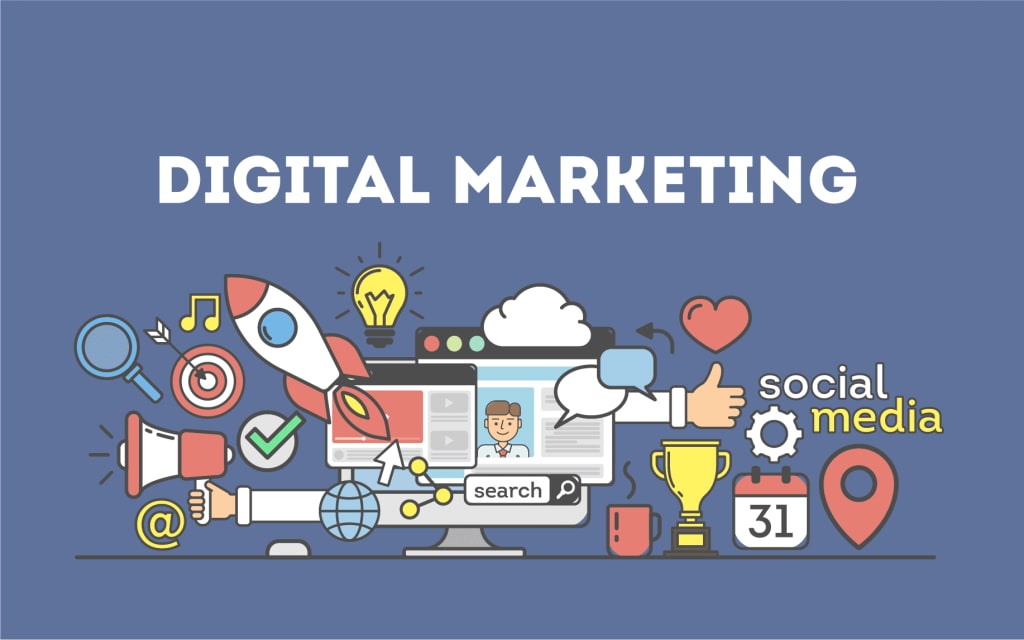
5 Digital Marketing Trends to Watch in 2023
I. Introduction
Digital marketing is a constantly evolving field, with new trends and strategies emerging every year. As we move into 2023, there are several digital marketing trends that businesses should pay attention to in order to stay competitive and engage with customers effectively. In this blog post, we'll explore five digital marketing trends to watch in 2023. From personalization to video marketing, social media messaging to voice search optimization, these trends will shape the way businesses approach digital marketing in the coming year. By staying up-to-date with these trends and incorporating them into their marketing strategies, businesses can create more effective campaigns, reach new audiences, and stay ahead of the curve in the ever-changing digital landscape.
A. Explanation of digital marketing and its importance
Digital marketing refers to any marketing activities that use digital channels to reach and engage with target audiences. These channels can include websites, social media platforms, search engines, email, mobile apps, and more. Digital marketing is important for businesses of all sizes because it allows them to connect with potential customers in ways that are more targeted, measurable, and cost-effective than traditional marketing methods.
With digital marketing, businesses can use data and analytics to gain insights into their audience and the effectiveness of their campaigns. This allows them to make data-driven decisions and optimize their marketing efforts for better results. Additionally, digital marketing provides a variety of ways to reach customers, from social media advertising to search engine optimization to email marketing. This diversity allows businesses to choose the channels and tactics that are most effective for their specific audience and goals.
In today's digital age, more and more people are using digital channels to search for products and services, engage with brands, and make purchases. This makes digital marketing an essential component of any modern marketing strategy. By using digital marketing, businesses can expand their reach, build brand awareness, and ultimately drive more sales and revenue.
B. Importance of staying up-to-date with digital marketing trends
Staying up-to-date with digital marketing trends is essential for businesses to remain competitive and effective in their marketing efforts. There are several reasons why this is the case:
Changing consumer behavior: Consumer behavior is constantly changing, and digital marketing trends often reflect these changes. By staying up-to-date with the latest trends, businesses can better understand how their target audience is engaging with digital content and adjust their marketing strategies accordingly.
Evolving technology: As technology evolves, so do the ways in which businesses can reach and engage with their target audience. By staying up-to-date with the latest digital marketing trends, businesses can take advantage of new technologies and tools to improve their marketing efforts and stay ahead of the competition.
Increased competition: With more and more businesses adopting digital marketing strategies, it's becoming increasingly difficult to stand out from the crowd. Staying up-to-date with the latest trends can help businesses differentiate themselves and create more effective campaigns.
Improved ROI: By incorporating the latest digital marketing trends into their strategies, businesses can often see improved ROI. This is because new trends often provide more targeted and efficient ways to reach and engage with the target audience.
In short, staying up-to-date with digital marketing trends is essential for businesses that want to remain competitive, engage with their target audience effectively, and improve their marketing ROI.
C. Overview of 5 trends to watch in 2023
II. Personalization
Personalization is a digital marketing trend that has been growing in importance in recent years and is expected to continue to be a key trend in 2023. The basic idea behind personalization is to create marketing campaigns that are tailored to the specific needs, interests, and preferences of individual customers. Here are some key aspects of personalization that businesses should focus on in 2023:
Collecting customer data: Personalization requires a deep understanding of the target audience, and this can only be achieved by collecting and analyzing customer data. In 2023, businesses will need to focus on collecting data from a variety of sources, including website analytics, social media, email marketing campaigns, and customer surveys.
Creating targeted content: Once businesses have collected customer data, they can use it to create targeted content that is relevant and engaging to individual customers. This can include personalized product recommendations, customized emails, and personalized website experiences.
Automating personalization: With the help of AI and machine learning, businesses can automate the personalization process to create more efficient and effective campaigns. This can include using chatbots to provide personalized customer support or using data analysis to create personalized product recommendations.
Embracing omnichannel personalization: Personalization should be applied across all channels of customer engagement, including social media, email, website, and mobile apps. This approach, known as omnichannel personalization, allows businesses to create a consistent and personalized customer experience across all touchpoints.
Ensuring data privacy: As businesses collect more customer data, it's essential to ensure that data privacy is protected. In 2023, businesses will need to focus on complying with new data privacy regulations and providing transparent communication around data collection and usage.
In summary, personalization is a key trend in digital marketing, and businesses that prioritize collecting customer data, creating targeted content, automating personalization, embracing omnichannel personalization, and ensuring data privacy will be well-positioned to create effective and engaging campaigns in 2023.
A. Explanation of personalization and its importance
Personalization refers to the process of tailoring experiences, products, and services to individual users or customers based on their preferences, behaviors, and characteristics. Personalization is increasingly being used by businesses to enhance customer satisfaction, engagement, and loyalty by offering a more customized experience.
Personalization is important for several reasons:
Increased Customer Satisfaction: Personalization can enhance the customer experience by making it more relevant to their specific needs and preferences. This can lead to increased customer satisfaction, which can result in increased loyalty and repeat business.
Improved Engagement: Personalization can also increase user engagement by delivering content and experiences that are more relevant and interesting to the user. This can increase the time spent on a website or app, and can also increase the likelihood of users taking actions such as making a purchase or sharing content.
Higher Conversion Rates: Personalization can improve conversion rates by delivering targeted messaging and offers that are more likely to resonate with the user. This can increase the likelihood of users making a purchase or taking other desired actions.
Enhanced Brand Perception: Personalization can also enhance brand perception by demonstrating a business's commitment to providing a customer-centric experience. This can result in a more positive perception of the brand and can lead to increased customer loyalty and advocacy.
Competitive Advantage: Personalization can provide a competitive advantage by offering a more tailored and relevant experience than competitors. This can help businesses differentiate themselves and stand out in crowded markets.
Overall, personalization is an important strategy for businesses that want to provide a more engaging, satisfying, and effective customer experience. By understanding and catering to the unique needs and preferences of individual users, businesses can build stronger relationships with their customers and drive business success.
B. Examples of personalized digital marketing
Personalization refers to the process of tailoring experiences, products, and services to individual users or customers based on their preferences, behaviors, and characteristics. Personalization is increasingly being used by businesses to enhance customer satisfaction, engagement, and loyalty by offering a more customized experience.
Personalization is important for several reasons:
Increased Customer Satisfaction: Personalization can enhance the customer experience by making it more relevant to their specific needs and preferences. This can lead to increased customer satisfaction, which can result in increased loyalty and repeat business.
Improved Engagement: Personalization can also increase user engagement by delivering content and experiences that are more relevant and interesting to the user. This can increase the time spent on a website or app, and can also increase the likelihood of users taking actions such as making a purchase or sharing content.
Higher Conversion Rates: Personalization can improve conversion rates by delivering targeted messaging and offers that are more likely to resonate with the user. This can increase the likelihood of users making a purchase or taking other desired actions.
Enhanced Brand Perception: Personalization can also enhance brand perception by demonstrating a business's commitment to providing a customer-centric experience. This can result in a more positive perception of the brand and can lead to increased customer loyalty and advocacy.
Competitive Advantage: Personalization can provide a competitive advantage by offering a more tailored and relevant experience than competitors. This can help businesses differentiate themselves and stand out in crowded markets.
Overall, personalization is an important strategy for businesses that want to provide a more engaging, satisfying, and effective customer experience. By understanding and catering to the unique needs and preferences of individual users, businesses can build stronger relationships with their customers and drive business success.
C. Importance of collecting and leveraging customer data
Collecting and leveraging customer data is particularly important in digital marketing. Here are some reasons why:
Targeted advertising: By collecting customer data, businesses can create targeted advertising campaigns that are more likely to reach the right audience. For example, businesses can use data to target ads to customers who have previously made a purchase or shown interest in a particular product.
Customized content: By leveraging customer data, businesses can create customized content that is more likely to engage and resonate with their target audience. For example, a business may use data to personalize email marketing campaigns or create content that speaks to the specific interests and needs of their customers.
Improved user experience: Customer data can help businesses improve the user experience on their website or app. For example, by tracking user behavior, businesses can identify areas of their website or app that are causing frustration or confusion and make improvements to enhance the user experience.
Performance measurement: By collecting and analyzing customer data, businesses can measure the performance of their digital marketing efforts and make data-driven decisions to optimize their campaigns. For example, businesses can use data to determine which channels are driving the most traffic and conversions and adjust their marketing strategy accordingly.
D. Benefits of personalization in digital marketing
Personalization in digital marketing has several benefits, including:
Improved customer experience: Personalization helps to create a more engaging and relevant experience for customers. By tailoring marketing messages and content to individual preferences, customers are more likely to engage with and respond positively to the marketing efforts.
Increased customer loyalty: Personalization helps to build stronger relationships with customers, leading to increased loyalty and repeat business. When customers feel that a business understands their needs and preferences, they are more likely to return and make additional purchases.
Higher conversion rates: Personalization can also lead to higher conversion rates by increasing the relevance of marketing messages and content. By tailoring marketing efforts to individual preferences, businesses can increase the chances that a customer will make a purchase or take other desired actions.
More effective targeting: Personalization helps businesses to target their marketing efforts more effectively by tailoring messaging and content to specific customer segments. By focusing on the needs and interests of specific customer groups, businesses can improve the effectiveness of their marketing efforts and achieve better results.
Improved marketing ROI: Personalization can help to improve the return on investment (ROI) of marketing efforts by increasing engagement, conversion rates, and customer loyalty. By tailoring marketing efforts to individual preferences and needs, businesses can make their marketing efforts more effective and achieve better results.
III. Interactive Content
A. Explanation of interactive content and its benefits
Interactive content is a type of content that allows users to engage with it, rather than just passively consume it. Interactive content requires the user to actively participate in the experience, which can lead to increased engagement, understanding, and enjoyment.
Some examples of interactive content include:
Quizzes and surveys: These allow users to answer questions and receive feedback based on their responses.
Interactive infographics: These allow users to explore data and information in a more engaging and interactive way.
Interactive videos: These allow users to interact with elements within the video, such as clickable hotspots or branching paths.
Interactive calculators: These allow users to input data and receive customized results based on their input.
Benefits of interactive content include:
Increased engagement: Interactive content can help to increase engagement by providing a more immersive and engaging experience. Users are more likely to spend time interacting with content that is interactive and engaging, which can lead to better retention and recall of the information.
Improved understanding: Interactive content can help users to better understand complex information or concepts by allowing them to explore and interact with the information in a more hands-on way.
Better data collection: Interactive content can also be used to collect data from users in a more engaging and interactive way. For example, quizzes and surveys can be used to collect information from users in a more enjoyable and less intrusive way.
Enhanced brand perception: Interactive content can help to enhance a brand's perception by providing a more enjoyable and memorable experience for users. Users are more likely to associate a positive experience with a brand that provides interactive content.
Increased sharing: Interactive content is more likely to be shared on social media and other channels due to its engaging and entertaining nature. This can help to increase the reach and visibility of a brand's content.
B. Examples of interactive content
Here are some examples of interactive content that businesses and content creators can use to engage their audience:
Quizzes and polls: These can be created using tools like Quizlet, Kahoot, or Google Forms. They allow users to answer questions and receive feedback based on their responses. This type of interactive content can be used to test knowledge, gather feedback, or create fun and engaging content.
Interactive infographics: These are visual representations of information that allow users to explore the data in a more interactive way. Interactive infographics can include features like clickable elements, hover-over effects, and animations. Tools like Canva, Piktochart, and Infogram can be used to create interactive infographics.
Interactive videos: These are videos that allow users to interact with elements within the video, such as clickable hotspots or branching paths. Interactive videos can be used to create engaging and educational content, or to create an immersive experience for the viewer. Platforms like HapYak, WIREWAX, and Ceros allow businesses to create interactive videos.
Calculators: These allow users to input data and receive customized results based on their input. Calculators can be used to provide users with helpful information or to create engaging and interactive content. Tools like Omni Calculator and Calculator.net allow businesses to create custom calculators.
Interactive eBooks: These are digital books that allow users to interact with the content in a more engaging way. Interactive eBooks can include features like clickable elements, animations, and videos. Tools like iBooks Author, Kotobee, and Pressbooks can be used to create interactive eBooks.
C. Importance of increasing engagement through interactive content
Increasing engagement through interactive content is important for several reasons, including:
Building brand loyalty: By providing interactive content, businesses can create a positive and engaging experience for their audience. This can lead to increased brand loyalty, as customers are more likely to return to a brand that provides value and an enjoyable experience.
Increasing time on site: Interactive content can help to keep users on a website or social media page for longer periods of time. This can lead to increased engagement and improved search engine rankings, as search engines view longer time on site as a positive signal.
Improving audience understanding: Interactive content can help to improve audience understanding by providing a more engaging and hands-on experience. For example, interactive infographics can help to explain complex data in a more digestible way, while interactive videos can help to improve retention of information.
Boosting social media engagement: Interactive content is more likely to be shared and engaged with on social media, leading to increased reach and engagement. Social media algorithms prioritize engaging content, so interactive content can help businesses to increase their visibility and reach on social media.
Creating memorable experiences: Interactive content can help to create memorable experiences for users. This can lead to increased brand awareness and positive word-of-mouth recommendations, as users are more likely to share and remember content that provided them with an enjoyable experience.
In summary, increasing engagement through interactive content can help businesses to build brand loyalty, improve understanding, boost social media engagement, and create memorable experiences for their audience.
D. How to incorporate interactive content into digital marketing campaigns
Incorporating interactive content into digital marketing campaigns can be a great way to increase engagement and improve the effectiveness of your campaigns. Here are some steps you can take to incorporate interactive content into your digital marketing campaigns:
Define your goals: Before creating interactive content, it's important to define your goals for the campaign. Are you trying to increase engagement, improve understanding, generate leads, or something else? Having clear goals in mind will help you create interactive content that is tailored to your specific objectives.
Identify your target audience: It's also important to identify your target audience and understand their preferences and behavior. What type of interactive content would be most engaging and valuable to them? For example, younger audiences may be more interested in interactive videos or quizzes, while older audiences may prefer interactive infographics.
Choose the right type of interactive content: Based on your goals and target audience, choose the right type of interactive content. There are many options, including quizzes, polls, surveys, interactive infographics, interactive videos, and more.
Create the content: Once you have chosen the type of interactive content you want to create, it's time to actually create it. Depending on the type of content, you may need to use specialized tools or hire a content creator to help bring your vision to life.
Promote the content: Once your interactive content is created, it's important to promote it through various digital marketing channels, including social media, email marketing, and your website. Make sure to include a clear call-to-action and track the results to measure the effectiveness of your campaign.
Analyze the results: Finally, it's important to analyze the results of your campaign and measure the impact of the interactive content on engagement, conversion rates, and other key metrics. Use this data to optimize your future campaigns and improve your overall digital marketing strategy.
By following these steps, businesses can effectively incorporate interactive content into their digital marketing campaigns and reap the benefits of increased engagement and improved ROI.
IV. Voice Search Optimization
A. Explanation of voice search and its growing popularity
Voice search is a technology that allows users to interact with their devices using natural language voice commands, rather than typing or clicking. This technology is typically available on smartphones, smart speakers, and other internet-connected devices that have voice assistants, such as Google Assistant, Amazon Alexa, and Apple Siri.
The popularity of voice search has been growing rapidly in recent years, driven by several factors:
Convenience: Voice search is often faster and more convenient than typing, especially when a user is on the go or their hands are busy. With voice search, users can get quick answers to their questions without having to type on a keyboard or touch their device.
Improved accuracy: Voice recognition technology has improved significantly in recent years, making voice search more accurate and reliable than ever before. This has made it easier for users to find the information they need using voice search.
Increasing availability: Voice search is now available on a wide range of devices, from smartphones and tablets to smart speakers and even some cars. This has made it more accessible to a wider audience and has contributed to its growing popularity.
Natural language processing: Voice search is becoming more advanced thanks to natural language processing technology. This allows voice assistants to understand and interpret complex commands, making them more useful for a wider range of tasks.
Rise of smart speakers: The increasing popularity of smart speakers, such as Amazon Echo and Google Home, has also contributed to the growth of voice search. These devices are specifically designed for voice interaction, making them a natural fit for voice search technology.
In summary, the growing popularity of voice search can be attributed to its convenience, improved accuracy, increasing availability, natural language processing, and the rise of smart speakers. As voice search technology continues to improve, it is likely that its popularity will continue to grow in the years to come.
B. Importance of optimizing for voice search
Optimizing for voice search is becoming increasingly important for businesses and marketers who want to stay ahead of the curve and reach their target audience. Here are some reasons why:
Changing user behavior: As more people use voice search to find information, businesses need to adapt to these changing user behaviors. Failure to optimize for voice search could result in lower visibility and a reduced ability to reach potential customers.
Increased competition: With more businesses focusing on voice search optimization, competition is increasing. By optimizing for voice search, businesses can stay competitive and increase their chances of being found by potential customers.
Improved customer experience: Optimizing for voice search can help businesses provide a better customer experience by making it easier for users to find the information they are looking for. This can lead to increased engagement, better brand perception, and ultimately, increased sales and revenue.
Increased local search: Voice search is often used for local searches, such as "find a pizza restaurant near me." Optimizing for voice search can help businesses improve their local search rankings and increase visibility for local customers.
More conversational queries: Voice search queries are often more conversational in nature, using natural language and longer phrases. By optimizing for voice search, businesses can tailor their content and keywords to match these conversational queries, which can improve their chances of being found.
In summary, optimizing for voice search is important for businesses that want to stay competitive, improve the customer experience, increase local search visibility, and reach potential customers who are using voice search to find information. By focusing on voice search optimization, businesses can position themselves for success in an increasingly voice-activated world.
C. Strategies for creating content that's optimized for voice search
Here are some strategies for creating content that is optimized for voice search:
Use natural language: Voice search queries are often phrased in a conversational tone, using natural language. Use language that matches the way people talk, rather than formal or technical language. This will help your content better match the queries people are using in their voice searches.
Focus on long-tail keywords: Long-tail keywords are phrases that are longer and more specific than typical search queries. Voice search queries are often longer and more conversational, so it is important to focus on long-tail keywords when creating content that is optimized for voice search.
Use structured data: Structured data can help search engines better understand the content of your website, which can improve your chances of being featured in voice search results. Use structured data to highlight important information on your website, such as contact information, business hours, and product information.
Provide clear answers to common questions: Voice search is often used to ask questions, so it is important to provide clear answers to common questions in your content. This can help your content be featured in voice search results and can improve the customer experience.
Optimize for local search: Voice search is often used for local search queries, such as "find a restaurant near me." Make sure your content is optimized for local search by including location-specific keywords and information.
Use conversational content: When creating content that is optimized for voice search, it is important to use a conversational tone. Write as if you are having a conversation with the user, rather than creating formal or technical content.
In summary, creating content that is optimized for voice search requires a focus on natural language, long-tail keywords, structured data, clear answers to common questions, local search optimization, and conversational content. By implementing these strategies, businesses can improve their chances of being featured in voice search results and provide a better customer experience.
D. Benefits of voice search optimization in digital marketing
Optimizing for voice search in digital marketing can offer a number of benefits to businesses, including:
Increased visibility: Optimizing for voice search can increase your visibility on search engine results pages (SERPs), which can help you reach more potential customers. When users perform a voice search, they often receive only one or two results, so optimizing for voice search can help you get featured in these results and increase your chances of being seen.
Better customer experience: Voice search can provide a better customer experience by making it easier for users to find the information they are looking for quickly and easily. When users receive accurate and relevant information from a voice search, they are more likely to view the business positively and consider using their products or services.
Competitive advantage: As voice search becomes more popular, optimizing for voice search can give businesses a competitive advantage. By getting ahead of the curve and optimizing for voice search early, businesses can position themselves as leaders in their industry and stay ahead of the competition.
Increased website traffic: Optimizing for voice search can increase website traffic by making it easier for potential customers to find your website. When your website is featured in voice search results, users are more likely to click through and visit your website, which can lead to increased traffic and sales.
Improved local search visibility: Voice search is often used for local searches, such as "find a coffee shop near me." By optimizing for voice search, businesses can improve their local search visibility and reach more local customers who are looking for their products or services.
In summary, optimizing for voice search can offer a range of benefits to businesses, including increased visibility, a better customer experience, a competitive advantage, increased website traffic, and improved local search visibility. By focusing on voice search optimization, businesses can position themselves for success in an increasingly voice-activated world.
V. Video Marketing
Video marketing is a form of digital marketing that involves using video content to promote a product, service, or brand. Video marketing can take many forms, including product demos, how-to videos, customer testimonials, animated explainer videos, and more.
Here are some benefits of video marketing:
Improved engagement: Video content tends to be more engaging than text or images, which can help capture viewers' attention and keep them engaged for longer periods of time.
Increased brand awareness: Video content can help increase brand awareness and recognition. By creating videos that showcase your products or services in action, you can help potential customers better understand what you have to offer and how you can meet their needs.
Higher conversion rates: Video marketing can lead to higher conversion rates, as video content can help potential customers better understand your product or service and make a purchasing decision. Video content can also help build trust and credibility with potential customers, which can make them more likely to choose your business over competitors.
Better SEO: Video content can help improve your search engine optimization (SEO) efforts, as videos can drive traffic to your website and improve engagement metrics that search engines use to rank websites.
Increased social media engagement: Video content is highly shareable on social media platforms, and can help increase engagement with your brand. By creating videos that are interesting, informative, or entertaining, you can encourage viewers to share your content with their followers, which can help increase your brand's reach and exposure.
In summary, video marketing can offer a range of benefits to businesses, including improved engagement, increased brand awareness, higher conversion rates, better SEO, and increased social media engagement. By incorporating video content into your digital marketing strategy, you can connect with potential customers in new and engaging ways and drive business results.
A. Explanation of video marketing and its benefits
Video marketing is the use of video content as a tool for promoting a brand, product, or service. Video marketing can take many forms, including explainer videos, product demos, customer testimonials, social media videos, and more.
Here are some of the benefits of video marketing:
Improved engagement: Video content is often more engaging than other forms of content, such as text or images. Video content can help capture viewers' attention and keep them engaged for longer periods of time.
Increased brand awareness: Video content can help increase brand awareness and recognition. By creating videos that showcase your products or services in action, you can help potential customers better understand what you have to offer and how you can meet their needs.
Higher conversion rates: Video marketing can lead to higher conversion rates, as video content can help potential customers better understand your product or service and make a purchasing decision. Video content can also help build trust and credibility with potential customers, which can make them more likely to choose your business over competitors.
Better SEO: Video content can help improve your search engine optimization (SEO) efforts, as videos can drive traffic to your website and improve engagement metrics that search engines use to rank websites.
Increased social media engagement: Video content is highly shareable on social media platforms, and can help increase engagement with your brand. By creating videos that are interesting, informative, or entertaining, you can encourage viewers to share your content with their followers, which can help increase your brand's reach and exposure.
In summary, video marketing can offer a range of benefits to businesses, including improved engagement, increased brand awareness, higher conversion rates, better SEO, and increased social media engagement. By incorporating video content into your digital marketing strategy, you can connect with potential customers in new and engaging ways and drive business results.
B. Importance of incorporating video into digital marketing campaigns
Incorporating video into digital marketing campaigns can have a range of benefits for businesses, including:
Increased engagement: Video content tends to be more engaging than other forms of content, such as text or images. Video content can help capture viewers' attention and keep them engaged for longer periods of time, which can lead to better engagement metrics and increased brand awareness.
Improved conversion rates: Video marketing can lead to higher conversion rates, as video content can help potential customers better understand your product or service and make a purchasing decision. Video content can also help build trust and credibility with potential customers, which can make them more likely to choose your business over competitors.
Better SEO: Video content can help improve your search engine optimization (SEO) efforts, as videos can drive traffic to your website and improve engagement metrics that search engines use to rank websites. Additionally, video content is highly shareable, which can lead to more backlinks and increased social media engagement, both of which can have a positive impact on your SEO.
Increased brand awareness: Video content can help increase brand awareness and recognition. By creating videos that showcase your products or services in action, you can help potential customers better understand what you have to offer and how you can meet their needs.
Cost-effectiveness: While video production can be expensive, the long-term benefits of incorporating video into your digital marketing campaigns can be well worth the investment. Additionally, there are now many low-cost video production tools and platforms available that can make video marketing more accessible to businesses of all sizes.
In summary, incorporating video into digital marketing campaigns can help businesses increase engagement, improve conversion rates, boost their SEO efforts, increase brand awareness, and do so in a cost-effective manner. By using video content strategically, businesses can connect with potential customers in new and engaging ways and drive business results.
C. Examples of successful video marketing campaigns
There have been many successful video marketing campaigns over the years. Here are a few examples:
Old Spice: Old Spice created a series of humorous and highly shareable ads featuring actor Isaiah Mustafa. The ads went viral, and helped the brand increase sales and reach a younger demographic.
Dove: Dove created a powerful and emotional ad campaign featuring real women discussing their own insecurities about their appearance. The campaign went viral and helped the brand position itself as a champion of body positivity.
Nike: Nike's "Just Do It" campaign has been highly successful over the years, and has included a number of iconic video ads. One such ad featured athlete Colin Kaepernick and sparked a national conversation about race and activism.
GoPro: GoPro has built a highly successful brand around user-generated video content. The company's "Be a Hero" campaign encouraged users to share their own videos, and helped the brand reach a wider audience.
Blendtec: Blendtec created a series of humorous and highly entertaining videos demonstrating the power of their blenders. The videos went viral and helped the brand increase sales.
These are just a few examples of successful video marketing campaigns. What they have in common is that they were able to connect with audiences on an emotional level, spark conversations, and generate buzz around the brand. By creating content that is interesting, informative, or entertaining, businesses can engage viewers and build relationships with potential customers.
D. Strategies for creating effective video content
There have been many successful video marketing campaigns over the years. Here are a few examples:
Old Spice: Old Spice created a series of humorous and highly shareable ads featuring actor Isaiah Mustafa. The ads went viral, and helped the brand increase sales and reach a younger demographic.
Dove: Dove created a powerful and emotional ad campaign featuring real women discussing their own insecurities about their appearance. The campaign went viral and helped the brand position itself as a champion of body positivity.
Nike: Nike's "Just Do It" campaign has been highly successful over the years, and has included a number of iconic video ads. One such ad featured athlete Colin Kaepernick and sparked a national conversation about race and activism.
GoPro: GoPro has built a highly successful brand around user-generated video content. The company's "Be a Hero" campaign encouraged users to share their own videos, and helped the brand reach a wider audience.
Blendtec: Blendtec created a series of humorous and highly entertaining videos demonstrating the power of their blenders. The videos went viral and helped the brand increase sales.
These are just a few examples of successful video marketing campaigns. What they have in common is that they were able to connect with audiences on an emotional level, spark conversations, and generate buzz around the brand. By creating content that is interesting, informative, or entertaining, businesses can engage viewers and build relationships with potential customers.
VI. Social Media Messaging
There have been many successful video marketing campaigns over the years. Here are a few examples:
Old Spice: Old Spice created a series of humorous and highly shareable ads featuring actor Isaiah Mustafa. The ads went viral, and helped the brand increase sales and reach a younger demographic.
Dove: Dove created a powerful and emotional ad campaign featuring real women discussing their own insecurities about their appearance. The campaign went viral and helped the brand position itself as a champion of body positivity.
Nike: Nike's "Just Do It" campaign has been highly successful over the years, and has included a number of iconic video ads. One such ad featured athlete Colin Kaepernick and sparked a national conversation about race and activism.
GoPro: GoPro has built a highly successful brand around user-generated video content. The company's "Be a Hero" campaign encouraged users to share their own videos, and helped the brand reach a wider audience.
Blendtec: Blendtec created a series of humorous and highly entertaining videos demonstrating the power of their blenders. The videos went viral and helped the brand increase sales.
These are just a few examples of successful video marketing campaigns. What they have in common is that they were able to connect with audiences on an emotional level, spark conversations, and generate buzz around the brand. By creating content that is interesting, informative, or entertaining, businesses can engage viewers and build relationships with potential customers.
A. Explanation of social media messaging and its benefits
Social media messaging involves using social media platforms to exchange private messages with other users. This can include direct messages (DMs) on Instagram, Twitter, and other platforms, as well as private messaging on Facebook, LinkedIn, and other social networks.
One of the primary benefits of social media messaging is that it allows businesses to engage with customers in a more personal and direct way. By using messaging, businesses can provide more personalized support and address customer concerns in a timely and efficient manner. This can improve customer satisfaction and help build stronger relationships between businesses and their customers.
Social media messaging can also be an effective way to drive sales and revenue. By using messaging to send targeted offers and promotions to customers, businesses can increase the chances that customers will make a purchase. Messaging can also be used to provide customers with personalized product recommendations and to answer any questions they may have about a product or service.
In addition, social media messaging can be a valuable tool for customer research and feedback. By using messaging to ask for customer feedback or to conduct surveys, businesses can gain valuable insights into customer needs and preferences. This information can then be used to improve products and services and to tailor marketing efforts to better reach and engage customers.
Overall, social media messaging offers a number of benefits for businesses, including improved customer engagement, increased sales and revenue, and valuable customer research and feedback. By incorporating messaging into their digital marketing strategies, businesses can improve their overall marketing performance and build stronger relationships with their customers.
B. Importance of using social media messaging for customer engagement
Social media messaging can be an effective tool for customer engagement because it allows businesses to connect with customers in a more personal and direct way. By using messaging, businesses can provide more personalized support and address customer concerns in a timely and efficient manner, which can lead to higher levels of customer satisfaction and loyalty.
In addition, social media messaging can help businesses to build stronger relationships with customers by allowing them to communicate on a more personal level. Messaging can help businesses to establish a rapport with customers, which can be particularly valuable for small businesses or those in niche markets. By using messaging to show that they care about their customers and are willing to go the extra mile to provide a great customer experience, businesses can create a strong sense of loyalty among their customer base.
Social media messaging can also be used to drive sales and revenue by providing customers with personalized offers and promotions. By sending targeted messages to customers based on their interests and behaviors, businesses can increase the chances that customers will make a purchase. Messaging can also be used to provide customers with personalized product recommendations and to answer any questions they may have about a product or service, which can further increase the chances of a sale.
Finally, social media messaging can be a valuable tool for customer research and feedback. By using messaging to ask for customer feedback or to conduct surveys, businesses can gain valuable insights into customer needs and preferences. This information can then be used to improve products and services and to tailor marketing efforts to better reach and engage customers.
Overall, social media messaging is an important tool for customer engagement and can be a valuable addition to any digital marketing strategy. By using messaging to connect with customers on a more personal level, businesses can improve customer satisfaction and loyalty, drive sales and revenue, and gain valuable insights into customer needs and preferences.
C. Examples of successful social media messaging campaigns
There have been many successful social media messaging campaigns over the years. Here are a few examples:
Domino's Pizza: Domino's launched a social media campaign in which customers could place orders through Twitter by simply tweeting a pizza emoji to the company's Twitter account. The campaign was a huge success and helped to drive sales for the company.
Warby Parker: Warby Parker is an eyewear company that uses social media messaging to provide personalized recommendations to customers. Customers can message the company with a photo of themselves, and Warby Parker will use that photo to recommend glasses that will look good on them. This personalized approach has helped the company to build a strong following and to stand out in a crowded marketplace.
Airbnb: Airbnb uses social media messaging to connect with its customers and to provide support and assistance. Customers can message Airbnb with any questions or concerns they have, and the company's customer support team will respond quickly to provide assistance. This approach has helped Airbnb to build a strong reputation for customer service and has helped to drive customer loyalty.
Sephora: Sephora is a cosmetics company that uses social media messaging to provide personalized beauty advice to its customers. Customers can message Sephora with questions about makeup and skincare, and the company's beauty experts will respond with personalized recommendations and advice. This approach has helped Sephora to build a strong following among beauty enthusiasts and to drive sales for the company.
Overall, these examples show how social media messaging can be used to provide personalized support and assistance, to drive sales and revenue, and to build strong relationships with customers. By incorporating messaging into their digital marketing strategies, businesses can improve their overall marketing performance and build stronger relationships with their customers.
D. Strategies for incorporating social media messaging into digital marketing campaigns
Here are a few strategies for incorporating social media messaging into digital marketing campaigns:
Be available and responsive: To make the most of social media messaging, businesses need to be available to their customers and responsive to their messages. This means having a dedicated team that can respond to messages quickly and provide personalized support and assistance.
Provide personalized support: One of the key benefits of social media messaging is the ability to provide personalized support and assistance to customers. Businesses should use messaging to provide personalized recommendations, answer customer questions, and address customer concerns in a timely and efficient manner.
Use messaging to drive sales and revenue: Social media messaging can be a valuable tool for driving sales and revenue. Businesses should use messaging to provide personalized offers and promotions to customers and to answer any questions they may have about a product or service.
Leverage chatbots: Chatbots can be a valuable tool for handling routine customer inquiries and support requests. By using chatbots, businesses can free up their customer support teams to focus on more complex customer needs.
Use messaging for customer research and feedback: Social media messaging can be a valuable tool for conducting customer research and gathering feedback. Businesses can use messaging to conduct surveys, ask for customer feedback, and gain insights into customer needs and preferences.
Monitor messaging analytics: To make the most of social media messaging, businesses need to monitor messaging analytics to understand how customers are using messaging and to identify areas for improvement. Businesses should track metrics such as response times, customer satisfaction, and message volume to optimize their messaging strategy over time.
Overall, these strategies can help businesses to effectively incorporate social media messaging into their digital marketing campaigns and to improve customer engagement, drive sales and revenue, and build stronger relationships with their customers.
VII. Conclusion
In conclusion, digital marketing continues to evolve rapidly, with new technologies and tools emerging all the time. To be successful in digital marketing, businesses need to stay up to date with the latest trends and strategies and be willing to adapt and experiment with new approaches.
Interactive content, voice search, video marketing, and social media messaging are all powerful tools that can help businesses to engage with customers, drive sales and revenue, and build stronger relationships with their target audience. By incorporating these tools into their digital marketing campaigns, businesses can stay ahead of the curve and drive long-term success in the digital marketplace.
A. Recap of 5 digital marketing trends to watch in 2023
Here's a recap of the 5 digital marketing trends to watch in 2023:
Personalization: Personalization is becoming increasingly important in digital marketing, as customers expect tailored experiences across all channels. Businesses that can provide personalized experiences will be better positioned to engage with their customers and drive long-term loyalty.
Interactive content: Interactive content, such as quizzes, polls, and games, is a powerful way to engage with customers and drive engagement. By incorporating interactive content into their digital marketing campaigns, businesses can create more engaging and memorable experiences for their audience.
Voice search optimization: With the growing popularity of voice assistants and smart speakers, voice search is becoming an increasingly important area of focus for digital marketers. Businesses that can optimize their content for voice search will be better positioned to capture this growing audience.
Video marketing: Video marketing continues to be a powerful tool for engaging with customers and driving sales and revenue. Businesses that can create compelling video content and effectively incorporate it into their digital marketing campaigns will be well positioned to succeed in the digital marketplace.
Social media messaging: Social media messaging is an increasingly popular way for customers to interact with businesses and receive personalized support and assistance. By effectively incorporating social media messaging into their digital marketing campaigns, businesses can build stronger relationships with their customers and drive long-term loyalty.
Overall, these trends are likely to shape the digital marketing landscape in 2023 and beyond, and businesses that can effectively leverage these tools will be well positioned to succeed in the increasingly competitive digital marketplace.
B. Importance of staying up-to-date with digital marketing trends
Staying up-to-date with digital marketing trends is important for several reasons:
Competitiveness: The digital marketplace is becoming increasingly crowded and competitive, and businesses that fail to keep up with the latest trends risk falling behind their competitors. By staying up-to-date with digital marketing trends, businesses can stay ahead of the curve and be better positioned to succeed in the digital marketplace.
Audience expectations: Customer expectations are constantly evolving, and businesses that fail to keep up with these changes risk losing their audience. By staying up-to-date with digital marketing trends, businesses can ensure that they are meeting the evolving needs and expectations of their audience.
ROI: Digital marketing can be expensive, and businesses that fail to stay up-to-date with the latest trends risk wasting their marketing budget on ineffective campaigns. By staying up-to-date with digital marketing trends, businesses can ensure that they are investing their marketing budget in the most effective channels and tactics.
Innovation: Digital marketing is constantly evolving, and staying up-to-date with the latest trends can help businesses to identify new and innovative approaches to engage with their audience and drive revenue.
Overall, staying up-to-date with digital marketing trends is essential for businesses that want to succeed in the digital marketplace. By keeping up with the latest trends and incorporating them into their digital marketing campaigns, businesses can engage with their audience, drive revenue, and build long-term success.
C. Encouragement to experiment with new digital marketing strategies
I strongly encourage businesses to experiment with new digital marketing strategies. Here are a few reasons why:
Opportunity for growth: By trying new digital marketing strategies, businesses have the opportunity to tap into new audiences, engage with customers in new ways, and drive growth. Experimenting with new strategies can help businesses to stay ahead of the curve and identify new and innovative approaches to reach their audience.
Differentiation: In a crowded digital marketplace, it can be difficult for businesses to stand out. By experimenting with new digital marketing strategies, businesses have the opportunity to differentiate themselves from their competitors and carve out a unique position in the marketplace.
Agility: The digital marketplace is constantly changing, and businesses that are able to adapt quickly to new trends and technologies are better positioned to succeed. By experimenting with new digital marketing strategies, businesses can become more agile and better able to respond to changes in the marketplace.
Learning and development: Experimenting with new digital marketing strategies provides businesses with an opportunity to learn and develop new skills. By trying new things, businesses can gain valuable insights into what works and what doesn't, and use this knowledge to improve their digital marketing campaigns in the future.
Overall, experimenting with new digital marketing strategies is a valuable way for businesses to grow, differentiate themselves from their competitors, become more agile, and learn and develop new skills. I encourage businesses to stay open to new ideas and approaches, and to be willing to take risks in order to achieve their digital marketing goals.
About the Creator
Keep reading
More stories from Poovai Productions and writers in Education and other communities.
How Global Experiences Shape Smarter, More Creative Leaders
Leadership today demands more than experience and technical skill. It requires imagination, empathy, and the ability to see problems from new angles. One of the most potent ways leaders develop these qualities is through travel. When leaders step outside familiar routines, they gain insight that books and meetings cannot offer. Exposure to new cultures, environments, and ways of thinking shows clearly how creative leadership through travel can unlock ideas that change how leaders think, decide, and inspire others.
By Nathalie Kyriakou4 days ago in Education
Can You Really Earn Money With Transcription? The Real Income Reality
The short answer is yes—you can earn money with transcription. But the more honest, useful answer is this: transcription only becomes worthwhile when you understand how the income actually works, not how it’s often presented online.
By Mahesh Kumar4 days ago in Education


Comments
There are no comments for this story
Be the first to respond and start the conversation.