
5 Body Pains You Should Never Ignore: Signs of a Heart Attack
Recognize These Warning Signals Before It’s Too Late

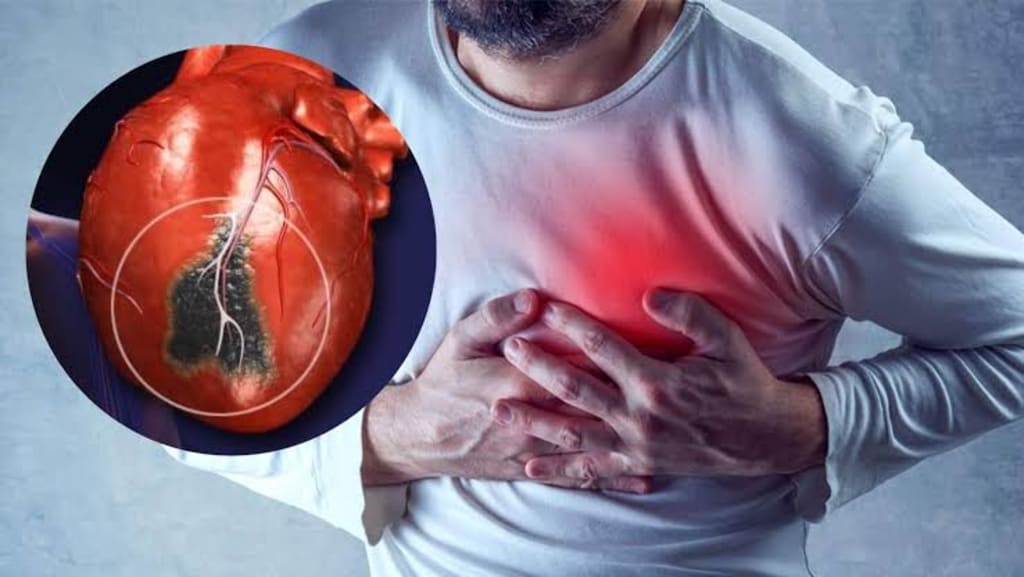
When it comes to heart health, prompt action can mean the difference between life and death. Heart attacks often present with subtle signs, and understanding these early indicators can save lives. While chest pain is the most recognized symptom, a heart attack can manifest through other body pains that many people overlook. Here are five body pains that may indicate a heart attack and should never be ignored.
1. Chest Discomfort Beyond the Usual
Chest pain or discomfort is the hallmark sign of a heart attack. However, not all chest pain feels the same. It may present as pressure, squeezing, fullness, or burning, often described as an "elephant sitting on the chest." This discomfort can last for more than a few minutes, disappear, and then return. It’s essential to note that not all heart attacks involve severe chest pain. If you experience any unusual sensations in your chest, especially during physical activity or stress, seek medical attention immediately.
2. Pain in the Arms, Shoulders, or Back
Heart attack pain is not always localized to the chest. It can radiate to other areas, particularly the left arm, though sometimes both arms can be affected. The pain might feel like a dull ache, heaviness, or tingling. Shoulder and upper back pain, often mistaken for muscle strain, can also be a sign. Women, in particular, are more likely to experience back pain as a heart attack symptom. If you notice unexplained discomfort in these areas, especially if it’s persistent or accompanied by other symptoms, don’t delay in seeking help.
3. Jaw, Neck, or Throat Pain
Pain that radiates to the jaw, neck, or throat may seem unrelated to the heart, but it can be a significant indicator of a heart attack. This type of discomfort often occurs suddenly and without an apparent cause. For some, it may feel like a tightness or a sharp ache, while others might experience it as a persistent dull pain. This symptom is more common in women and should raise a red flag when paired with other signs like chest discomfort, shortness of breath, or nausea.
4. Stomach Pain or Nausea
Digestive issues such as nausea, indigestion, or stomach pain are easily dismissed as minor ailments. However, these symptoms can also indicate a heart attack, particularly in women. Heart-related stomach pain often feels like pressure or a burning sensation and may be mistaken for heartburn. If you experience sudden or unexplained stomach discomfort, especially alongside chest pain or other symptoms, consider it a potential warning sign.
5. Leg or Ankle Pain and Swelling
Though less common, leg or ankle pain and swelling can signal heart trouble. This occurs due to fluid retention when the heart struggles to pump blood effectively. Swelling, particularly when accompanied by pain or tenderness in the legs, may also indicate a blood clot, which could lead to a heart attack if it travels to the heart. While not as direct a symptom as others, these signs are worth paying attention to if they develop suddenly or worsen over time.
What to Do If You Notice These Signs
Time is critical in the event of a heart attack. If you or someone else experiences any combination of these symptoms, especially with chest discomfort, shortness of breath, sweating, or lightheadedness, call emergency services immediately. Avoid driving yourself to the hospital, as the situation can worsen rapidly.
Tips for Prevention
Understanding the risk factors for heart disease is key to prevention. Here are some proactive steps to reduce your risk:
Maintain a Healthy Diet: Focus on heart-friendly foods such as fruits, vegetables, whole grains, and lean proteins.
Exercise Regularly: Aim for at least 150 minutes of moderate aerobic activity per week.
Manage Stress: Practice relaxation techniques such as meditation, yoga, or deep breathing exercises.
Quit Smoking: Smoking significantly increases your risk of heart disease and heart attacks.
Regular Check-ups: Monitor your blood pressure, cholesterol levels, and overall heart health with regular doctor visits.
The Bottom Line
Heart attacks often come with warning signs that are easy to dismiss. Recognizing these subtle body pains and acting quickly can save lives. If you’re ever in doubt, it’s better to err on the side of caution and seek medical attention. Your heart is worth it.
About the Creator
Keep reading
More stories from INFO INSIDER and writers in Education and other communities.
List of Important Days in February 2025
February is the second month of the year and is packed with significant national and international observances. From cultural celebrations to awareness campaigns, this month holds events that are recognized worldwide. Below is a detailed list of important days in February 2025, along with their significance.
By INFO INSIDER 12 months ago in Education
The Hidden Importance of Design Hierarchy: How Layout Guides Attention and Improves Readability
Design Hierarchy Is the Foundation of a Clear, Effective Website Design hierarchy is one of the most influential principles in web design — yet it’s often overlooked by users because a strong hierarchy feels seamless and natural. Hierarchy determines what people notice first, how they scan a page, and what they choose to engage with. When done correctly, it guides attention effortlessly, improves readability, and makes websites feel intuitive.
By Power Marketing International3 days ago in Education
Me and Study: Nights I Didn’t Tell Anyone About
There were nights when the world slept, and I stayed awake with my books like they were the only witnesses to my existence. No one knew about those hours—not my friends, not my family, not even the version of me I showed during the day. These were the nights I didn’t talk about, because explaining them felt heavier than living through them.
By Inamullah Momand 5 days ago in Education




Comments
There are no comments for this story
Be the first to respond and start the conversation.