
30-Days Ketogenic Meal Plan
Lose weight fast in 30days
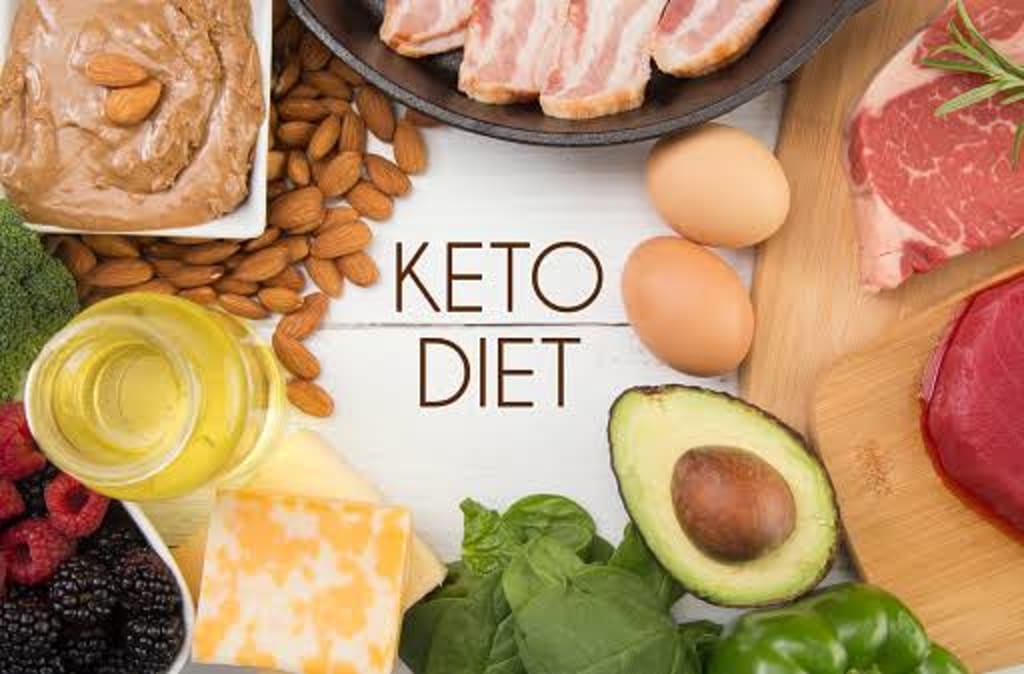
A ketogenic meal plan is a high-fat, moderate protein, and low-carbohydrate diet that puts the body in a metabolic state called ketosis. The goal of the diet is to switch the body's fuel source from glucose to ketones, which are produced by the liver when the body runs low on carbohydrates.
The 30-day ketogenic meal plan typically includes meals that are high in healthy fats such as avocados, nuts, seeds, coconut oil, olive oil, and butter. Protein sources include meat, fish, poultry, and eggs. Carbohydrates are limited to non-starchy vegetables such as spinach, broccoli, cauliflower, and peppers.
The benefits of a ketogenic diet include weight loss, improved insulin sensitivity, and reduced inflammation. However, the diet can be challenging to follow, and it may not be suitable for everyone, especially those with liver or pancreatic issues.
The 30-day ketogenic meal plan typically includes a detailed list of foods to eat and avoid. It also includes recipes for breakfast, lunch, dinner, and snacks. Some popular recipes include keto pancakes, avocado and egg salad, baked salmon, and cauliflower rice.
The meal plan may also provide guidance on how to calculate macronutrient ratios for each meal. A typical ratio for a ketogenic meal is 70-75% fat, 20-25% protein, and 5-10% carbohydrates.
It's important to note that a ketogenic diet is not a long-term solution and should be followed under the guidance of a healthcare professional. It's also essential to stay hydrated and to supplement with vitamins and minerals to prevent nutrient deficiencies.
In conclusion, a 30-day ketogenic meal plan can be an effective way to jumpstart weight loss and improve overall health. However, it's essential to follow the plan under the guidance of a healthcare professional and to supplement with vitamins and minerals to prevent nutrient deficiencies.
A ketogenic diet is a high-fat, moderate protein, and low-carbohydrate diet that aims to shift the body's primary source of fuel from glucose to ketones. The diet has become increasingly popular due to its potential benefits for weight loss, improved insulin sensitivity, and reduced inflammation. In this essay, we will explore the science behind the ketogenic diet, its potential benefits and drawbacks, and tips for following a ketogenic diet safely.
Ketogenic Diet Science
The ketogenic diet works by reducing carbohydrate intake to less than 50 grams per day, which forces the body to enter a state of ketosis. During ketosis, the liver produces ketones from stored fat as an alternative source of energy. This metabolic switch can lead to weight loss, reduced blood sugar levels, and improved insulin sensitivity. Additionally, ketones have been shown to have anti-inflammatory properties, which may be beneficial for those with chronic inflammatory conditions.
Potential Benefits of the Ketogenic Diet
Weight Loss: A ketogenic diet may be effective for weight loss due to its ability to reduce appetite and promote fat burning. Studies have shown that individuals on a ketogenic diet tend to lose more weight than those on a low-fat diet.
Improved Insulin Sensitivity: A ketogenic diet may improve insulin sensitivity, which is beneficial for individuals with type 2 diabetes. Studies have shown that a ketogenic diet can lead to a significant reduction in blood sugar levels and hemoglobin A1c levels.
Reduced Inflammation: Ketones have been shown to have anti-inflammatory properties, which may be beneficial for individuals with chronic inflammatory conditions, such as arthritis and cardiovascular disease.
Potential Drawbacks of the Ketogenic Diet
Adherence: Following a ketogenic diet can be challenging, as it requires a significant reduction in carbohydrate intake. Many individuals find it difficult to sustain this level of carbohydrate restriction long-term.
Nutrient Deficiencies: A ketogenic diet may be deficient in certain nutrients, including vitamins and minerals. This can be mitigated by consuming nutrient-dense foods such as leafy greens, nuts, and seeds.
Keto Flu: Some individuals may experience flu-like symptoms during the first week of starting a ketogenic diet, which is commonly referred to as the "keto flu." Symptoms may include headaches, fatigue, and nausea.
Tips for Following a Ketogenic Diet Safely
Consult with a healthcare professional before starting a ketogenic diet, especially if you have a medical condition such as diabetes or liver disease.
Gradually reduce carbohydrate intake to allow the body to adjust to the new diet. A sudden reduction in carbohydrates may cause the "keto flu."
Consume plenty of healthy fats such as avocados, nuts, seeds, and fatty fish. Choose healthy protein sources such as grass-fed beef and wild-caught fish.
Eat a variety of non-starchy vegetables to ensure adequate intake of vitamins and minerals.
Drink plenty of water and supplement with electrolytes to prevent dehydration and muscle cramps.
In conclusion, a ketogenic diet can be an effective way to improve overall health and promote weight loss. However, it's essential to follow the diet safely under the guidance of a healthcare professional. A well-formulated ketogenic diet can provide numerous health benefits, including improved insulin sensitivity, reduced inflammation, and weight loss. By adhering to the tips outlined in this essay, individuals can follow a ketogenic diet sasafely fely and effectively.
Here's the best 30 day ketogenic diet strategy
https://ds24.io/ETyJIDOlQ
About the Creator
Keep reading
More stories from Shyam Swami and writers in Education and other communities.
Best Way to Start Crypto Trading
Crypto Quantum Leap is a comprehensive guide to the world of cryptocurrency trading, written by Matthew Thayer, an experienced crypto trader and educator. The book aims to provide readers with a complete under standing of the crypto currency market and how to trade successfully within it.
By Shyam Swami3 years ago in Trader
Olena Kalaitan on Mariupol, Journalism, Language, and War in Ukraine
Olena Kalaitan is a Ukrainian journalist and editor best known for leading Mariupol’s Pryazovskyi Robochyi newspaper and heading the Donetsk regional organization of the National Union of Journalists of Ukraine. During Russia’s 2022 siege of Mariupol, she stayed in the city for 23 days, survived the destruction of her home, and escaped on foot with her son. She later became a prominent voice for displaced journalists, media freedom, and the revival of independent Ukrainian journalism in occupied and war-affected regions. Kalaitan has also warned publicly against Russian propaganda issued under the stolen name of her newspaper during wartime occupation there.
By Scott Douglas Jacobsen5 days ago in Education
Creating Connections: How Churches Unite People Beyond Sunday
For many people, church is more than a place for worship. It becomes a center where relationships grow, and communities find strength. Creating Connections: How Churches Unite People Beyond Sunday reflects the idea that church life extends far beyond weekly gatherings. It provides opportunities for people to support one another, share experiences, and develop meaningful friendships.
By Mike Signorelli4 days ago in Education


Comments
There are no comments for this story
Be the first to respond and start the conversation.