
3 Methods of Mixing and Mastering.
Exploring Methods: Analog, Digital, and Hybrid Approaches to Mixing and Mastering.

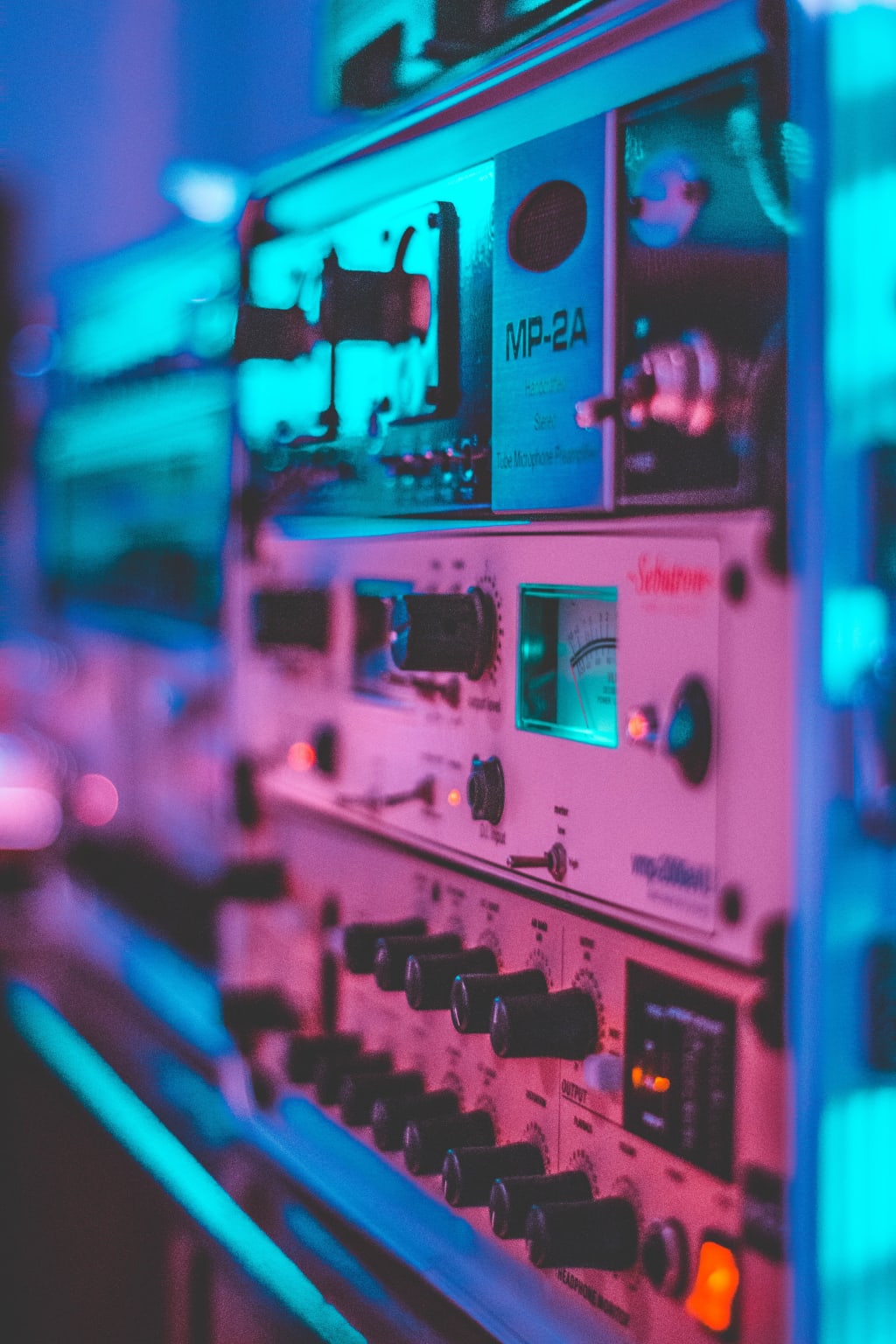
Introduction:
In the realm of audio production, the processes of mixing and mastering play a crucial role in shaping the final sound of a recording. They involve a series of techniques and tools that enhance the sonic quality, balance, and overall impact of a musical composition. In this discussion, we will explore three distinct methods of mixing and mastering: analog, digital, and hybrid.
The first method, analog mixing and mastering, embraces the use of analog equipment and techniques to shape the sound. Analog processing offers a unique warmth, character, and hands-on approach that many audio professionals still value and employ today. We will delve into the equipment required, workflow techniques, as well as the advantages and challenges associated with this method.
The second method, digital mixing and mastering, relies on digital tools and software to manipulate and refine the audio. With the advancements in technology, digital processing offers unparalleled flexibility, precision, and a vast range of options for audio engineers. We will explore the software and tools used, workflow techniques, as well as the advantages and challenges of this method.
Lastly, we will explore the hybrid mixing and mastering approach, which combines the best of both analog and digital worlds. This method offers a blend of the warmth and character of analog processing with the flexibility and precision of digital tools. We will discuss the integration of analog and digital equipment, workflow techniques, as well as the advantages and challenges of this hybrid approach.
By examining these three methods, we hope to provide insights into the diverse approaches used in the industry, enabling audio professionals to make informed decisions based on their preferences, project requirements, and desired sonic outcomes. Whether you are drawn to the warmth of analog, the precision of digital, or the best of both worlds, understanding these methods will empower you to create exceptional mixes and masters that truly bring out the essence of your musical creations.
Overview of Methods:
1. Analog Mixing and Mastering:
Analog mixing and mastering involves the use of physical hardware and analog processing techniques to shape the sound. This method emphasizes the warmth, character, and hands-on approach provided by analog equipment. It requires specific analog gear such as mixing consoles, outboard compressors, equalizers, and effects units. The workflow includes signal routing, analog summing, equalization, compression, and adding analog coloration. Analog mixing and mastering offer a distinct sonic quality and are favored by many professionals for its unique characteristics. However, it requires specialized equipment, maintenance, and can be more expensive.
2. Digital Mixing and Mastering:
Digital mixing and mastering rely on software and digital tools to manipulate and refine the audio. This method provides flexibility, precision, and an extensive range of options for audio engineers. It involves using digital audio workstations (DAWs), virtual mixing consoles, plug-ins for equalization, compression, and effects processing. Digital workflows include track organization, editing, virtual mixing, and applying mastering techniques such as limiting, equalization, and finalization. Digital mixing and mastering offer a vast array of options, easy recallability, and the ability to work "in the box." However, digital processing can introduce noise and challenges related to digital fatigue.
3. Hybrid Mixing and Mastering:
Hybrid mixing and mastering combine the strengths of both analog and digital approaches. This method allows audio engineers to harness the warmth and character of analog processing while leveraging the flexibility and precision of digital tools. It involves integrating analog hardware with digital workflows, often using analog summing mixers, outboard gear, and plug-ins within a digital audio workstation. Hybrid workflows enable engineers to blend the best aspects of both worlds, using analog equipment for specific stages or tracks while employing digital processing for others. This approach provides a balance between sonic characteristics, workflow adaptability, and cost considerations.
By exploring these three methods, analog, digital, and hybrid, audio professionals can choose the approach that aligns with their artistic vision, project requirements, and available resources. Each method offers unique benefits and challenges, allowing engineers to achieve the desired sonic outcomes for their mixes and masters. The choice between these methods ultimately depends on personal preference, the desired sound aesthetic, and the specific needs of the project at hand.
Conclusion:
In the realm of audio production, the methods of analog, digital, and hybrid mixing and mastering offer diverse approaches to achieving exceptional sound quality and artistic vision. Each method brings its own unique set of advantages and challenges.
Analog mixing and mastering provides a hands-on, warm, and characterful approach, emphasizing the use of physical hardware and analog processing techniques. It offers a sonic quality that many professionals still value, despite the associated costs and maintenance requirements.
Digital mixing and mastering harnesses the power of software and digital tools, providing unparalleled flexibility, precision, and a wide range of options. It offers extensive control, easy recallability, and the ability to work entirely "in the box," but may introduce digital noise and challenges related to digital fatigue.
Hybrid mixing and mastering combines the best of both analog and digital worlds, allowing for a blend of warmth, character, and flexibility. It offers a balanced approach by integrating analog hardware with digital workflows, providing engineers with the opportunity to leverage the strengths of both methods.
Choosing the right method depends on individual preferences, project requirements, and available resources. Audio professionals should consider factors such as desired sonic characteristics, workflow adaptability, cost considerations, and the specific needs of each project.
By understanding the nuances and possibilities of analog, digital, and hybrid approaches to mixing and mastering, professionals can make informed decisions and create exceptional mixes and masters that bring out the essence of their musical creations.
Continual learning, experimentation, and staying up to date with advancements in technology are essential to remain versatile and adaptable in this ever-evolving field. Embracing these methods and their possibilities will empower audio professionals to shape their sound, deliver impactful experiences, and contribute to the ever-growing world of music and audio production.
About the Creator
andrew yohana
I am an Audio engineer, sound designer and music producer with masters degree of music.
Keep reading
More stories from andrew yohana and writers in Education and other communities.
"Amapiano: The Rhythmic Revolution of South African Music"
I. Introduction A. Definition of Amapiano: Amapiano is a vibrant and infectious music genre that emerged in South Africa in the early 2010s. It is characterized by its unique fusion of various musical elements, including South African house music, kwaito, Afrobeat, and international electronic music. What sets Amapiano apart is its distinct sound, driven by piano melodies, deep basslines, and an energetic tempo. With its infectious beats and catchy hooks, Amapiano has gained significant popularity not only in South Africa but also on the global music stage.
By andrew yohana3 years ago in Beat



Comments
There are no comments for this story
Be the first to respond and start the conversation.